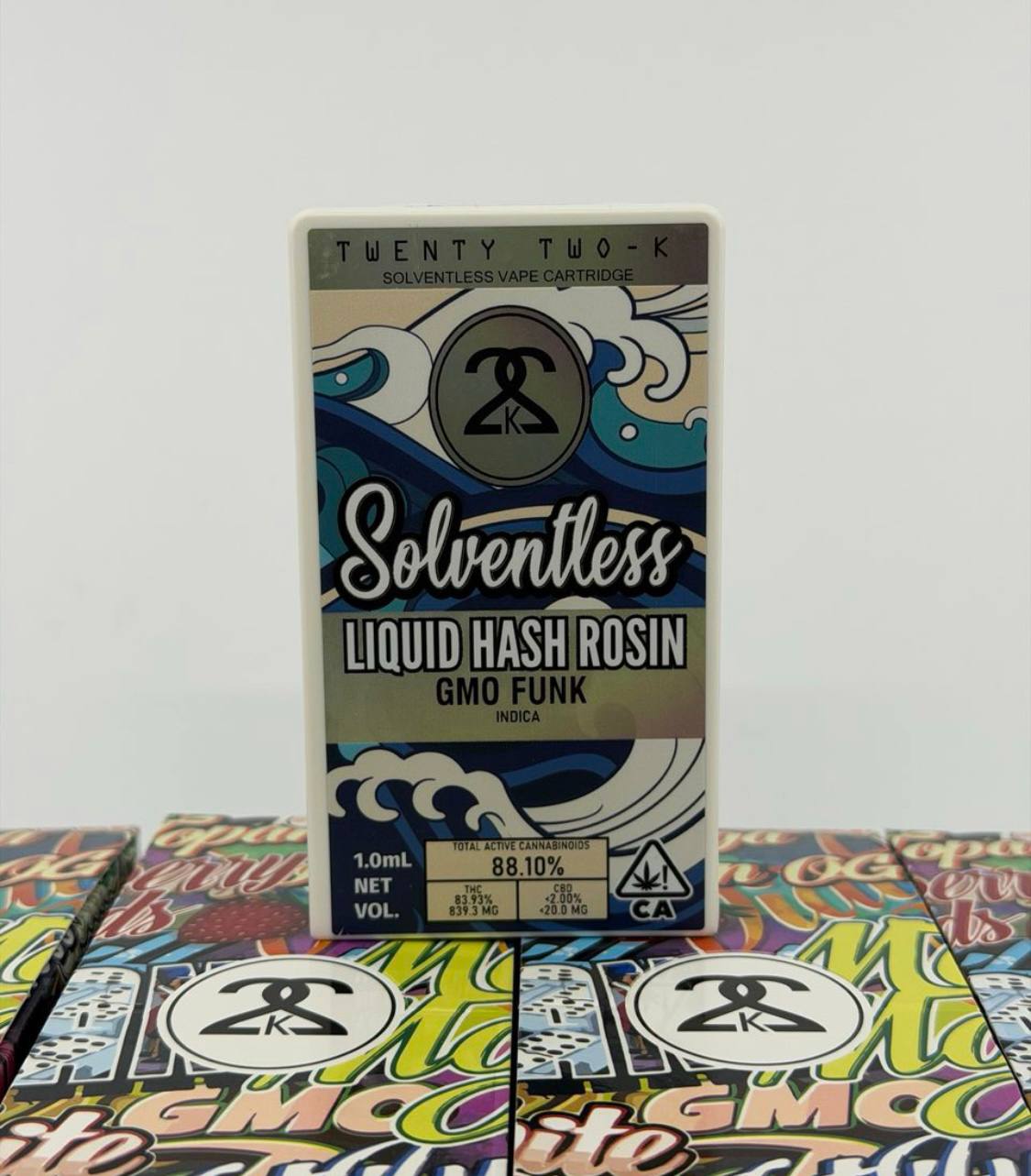
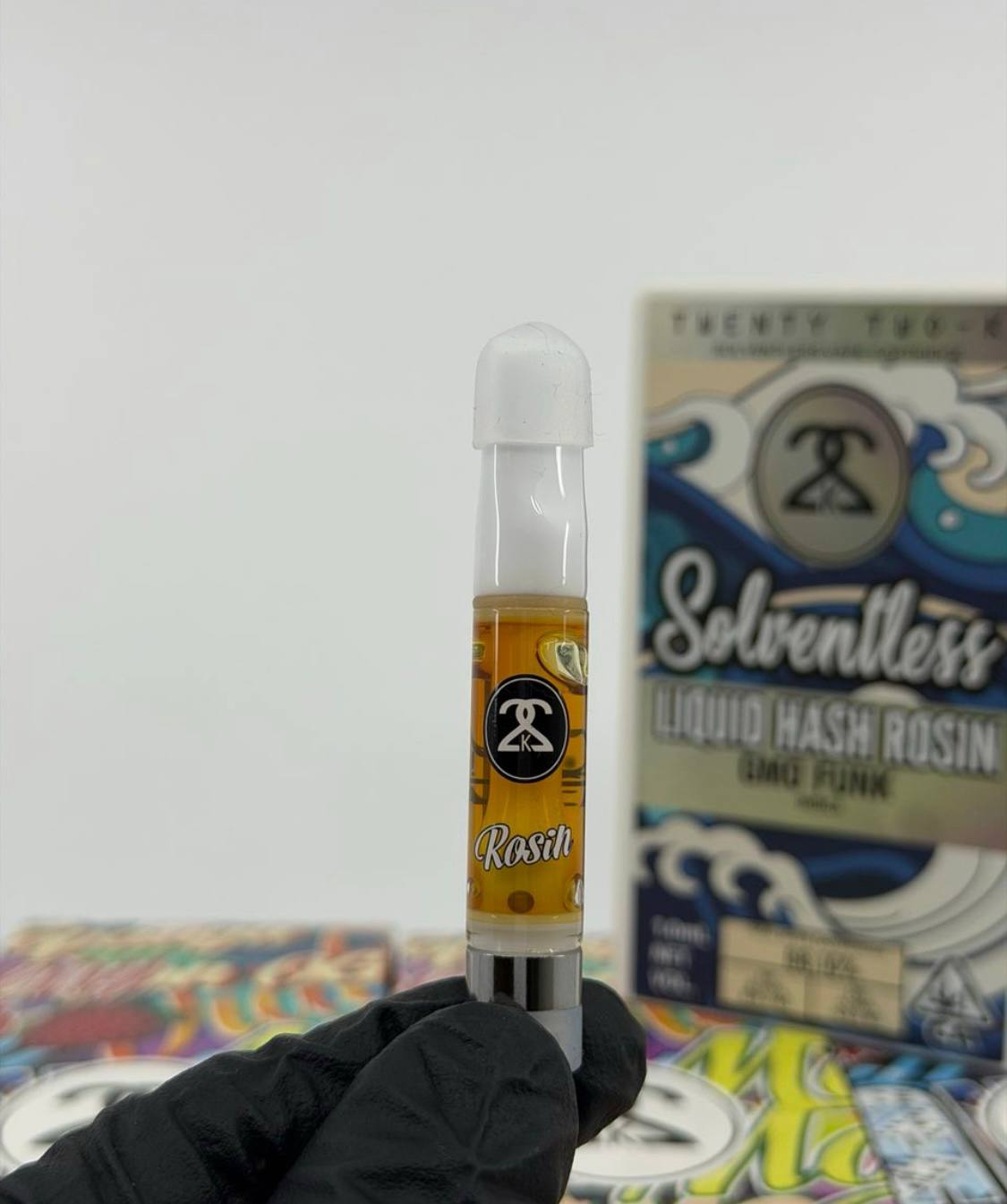
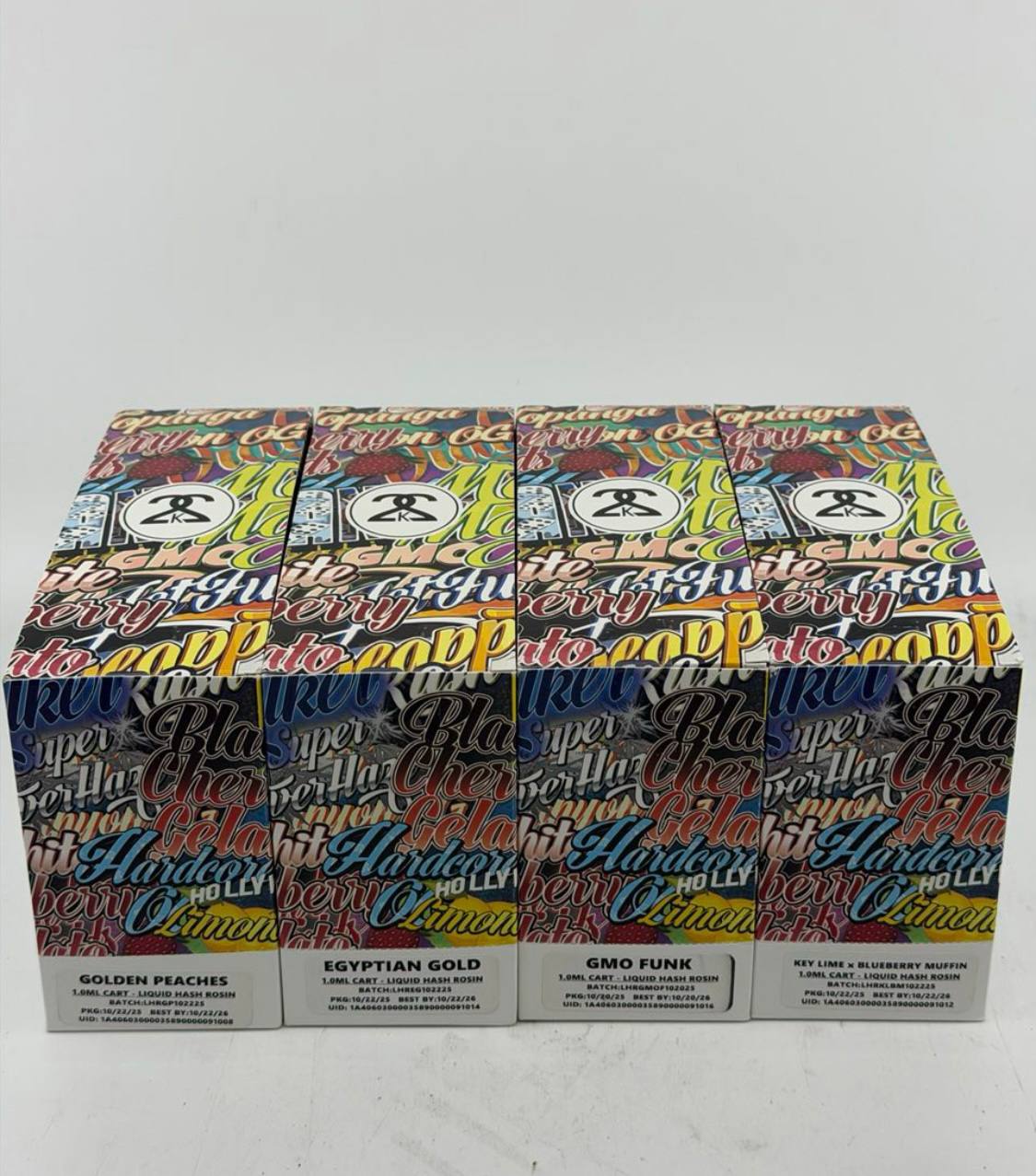
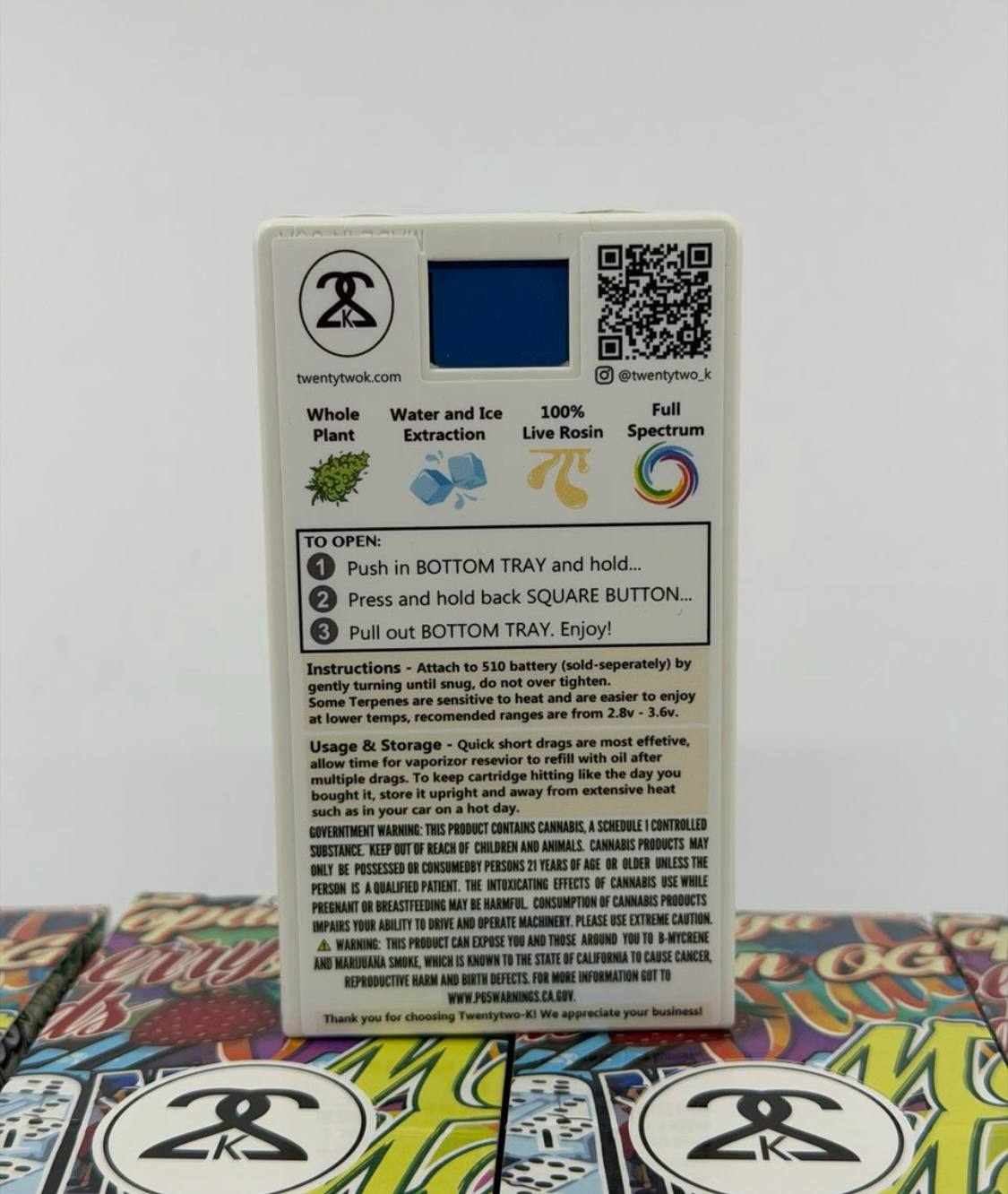





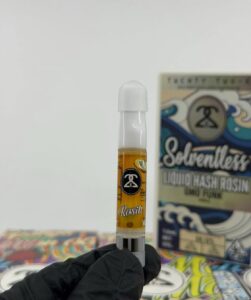
22K Solventless Liquid Hash Rosin 1g Disposable – Premium Concentrate Experience
Introduction to a Refined Solventless Profile
The 22K Solventless Liquid Hash Rosin 1g Disposable represents a modern interpretation of high-purity concentrate craftsmanship, where solventless extraction methods and refined formulation techniques are combined into a compact, ready-to-use device format. A focus on purity, flavor retention, and consistency defines its conceptual foundation, while advanced extraction practices shape its overall identity in the concentrate market.
A growing preference for solventless extracts has been observed across contemporary concentrate culture, and this product type has been positioned within that evolving demand. The absence of chemical solvents during extraction is frequently highlighted as a defining characteristic, while a full-spectrum expression is often preserved through careful processing.
Transition words such as additionally, furthermore, and consequently are naturally reflected in the structure of this description to maintain readability and SEO flow.
Solventless Extraction Philosophy
The foundation of this formulation is built around solventless extraction principles. Instead of relying on chemical solvents such as butane or propane, mechanical separation techniques are used to isolate resinous trichomes from plant material.
As a result, a cleaner and more natural concentrate profile is typically achieved. Furthermore, the preservation of aromatic compounds is often considered more intact when compared to solvent-based alternatives.
Additionally, ice-water separation and low-temperature processing are commonly associated with hash rosin production, which contributes to maintaining terpene integrity. Consequently, the final extract often reflects a more plant-true profile.
It has been noted that solventless methods are increasingly preferred in premium concentrate categories due to their minimal processing footprint.
Liquid Hash Rosin Consistency and Formulation
Liquid hash rosin is characterized by a refined texture that balances viscosity with vaporization efficiency. Unlike traditional solid rosin, this liquid adaptation is engineered for compatibility with disposable vaporization systems.
Moreover, consistency plays a central role in ensuring uniform performance across each draw. The formulation is typically adjusted to maintain fluidity without compromising potency concentration.
Furthermore, viscosity control is achieved through careful refinement rather than the introduction of thinning agents. As a result, a more authentic solventless expression is preserved.
Consequently, the liquid form allows for smoother integration into compact hardware while maintaining the essence of full-melt hash rosin.
1 Gram Disposable Format Overview
The 1g disposable configuration is designed as a self-contained unit that integrates both the extract chamber and heating system into a single device. This structure eliminates the need for external accessories.
Additionally, portability is enhanced through the compact design, which supports discreet handling and simplified use. The integrated battery system is pre-calibrated for consistent energy output throughout the lifespan of the device.
Furthermore, the 1g capacity provides a balanced duration of use depending on individual consumption patterns, while maintaining product freshness through sealed containment.
It has also been observed that disposable systems reduce maintenance requirements, since no refilling or coil replacement is needed.
22K Quality Standard Positioning
The “22K” designation is commonly associated with a premium-grade positioning that emphasizes refinement, purity, and elevated formulation standards. While interpretations may vary across brands, it is generally aligned with high-tier concentrate classifications.
Moreover, this designation often reflects attention to detail in extraction, filtration, and post-processing stages. Consequently, a cleaner flavor profile and smoother vapor experience are frequently expected.
Additionally, branding under a “22K” standard suggests enhanced quality control measures during production cycles.
Furthermore, consistency across batches is typically prioritized to maintain a stable user experience profile.
Terpene Profile and Aroma Complexity
Terpenes are central to the sensory identity of solventless hash rosin. In this formulation, aromatic compounds are preserved through low-temperature extraction and minimal processing interference.
As a result, the aroma profile may present layered complexity, often described as rich, earthy, fruity, or floral depending on the source material.
Additionally, terpene retention contributes significantly to the overall smoothness and perceived flavor depth. Furthermore, the absence of harsh chemical residues allows these aromatic elements to remain more pronounced.
Consequently, the sensory experience is often characterized by a more natural expression of the original plant genetics.
Vapor Production and Performance Dynamics
Performance within a disposable vapor system depends heavily on heating efficiency, oil viscosity, and airflow calibration. In this 1g solventless format, the heating element is typically optimized for consistent vaporization.
Moreover, vapor output is designed to remain stable across repeated activation cycles. Additionally, airflow pathways are structured to minimize clogging and maintain smooth draw resistance.
Furthermore, temperature control plays a crucial role in preventing degradation of terpene structures during vaporization. Consequently, flavor integrity is better preserved throughout usage.
It has also been observed that solventless oils may require more precise heating profiles due to their natural composition.
Hardware Integration and Engineering Design
The disposable device integrates a battery, coil system, and reservoir chamber into a unified structure. This engineering approach reduces external dependencies while improving usability.
Additionally, internal components are arranged to support efficient heat distribution across the liquid hash rosin material. Furthermore, leak-resistant construction is commonly implemented to preserve product stability.
Consequently, structural integrity is maintained even during transport and extended storage periods.
Moreover, compact circuitry is used to regulate output voltage, ensuring a consistent vaporization curve.
Flavor Integrity and Sensory Balance
Flavor integrity is one of the defining aspects of solventless rosin-based formulations. The absence of chemical solvents ensures that the terpene profile remains closer to its natural state.
Additionally, low-temperature processing reduces the risk of volatile compound degradation. Furthermore, the liquid format allows for smoother vapor expression compared to solid concentrates.
Consequently, flavor transitions are often perceived as layered rather than abrupt.
It has also been observed that users often associate solventless profiles with cleaner aftertaste and reduced harshness.
Smoothness and Inhalation Profile
Smoothness is frequently influenced by oil purity, coil temperature, and airflow design. In this disposable format, emphasis is placed on balancing vapor density with inhalation comfort.
Moreover, refined filtration during extraction contributes to reducing particulate presence. Additionally, consistent heating reduces the likelihood of burnt or uneven vapor production.
Furthermore, airflow engineering supports a controlled draw experience. Consequently, inhalation tends to feel more stable across multiple uses.
It is commonly noted that solventless concentrates deliver a softer sensory impact compared to heavily processed alternatives.
Stability and Shelf Performance
Stability is an important factor in concentrate preservation. Liquid hash rosin is typically sensitive to heat and light exposure, which makes proper storage conditions essential.
Additionally, sealed disposable systems help minimize oxidation by limiting air exposure. Furthermore, internal chamber design reduces leakage risk and contamination.
Consequently, product integrity is more effectively maintained over time.
Moreover, protective packaging is often used to support long-term preservation before activation.
Ingredient Integrity and Purity Focus
Solventless liquid hash rosin is generally characterized by a minimal-ingredient philosophy. No chemical solvents are introduced during extraction, and refinement is achieved mechanically.
Additionally, the formulation is often free from artificial cutting agents. Furthermore, natural terpene preservation is prioritized over synthetic enhancement.
Consequently, the final profile is closely tied to the original plant material.
It has been observed that purity-focused extraction methods are increasingly preferred within premium concentrate segments.
Technological Refinement in Disposable Systems
Advancements in disposable vapor technology have enabled more precise control over solventless concentrate delivery. Heating coils are engineered to accommodate thicker resin profiles while maintaining efficiency.
Additionally, microchip regulation systems may be integrated to stabilize voltage output. Furthermore, improved wicking materials assist in consistent oil absorption.
Consequently, performance consistency is enhanced across the lifespan of the device.
Moreover, design evolution continues to focus on reducing waste and improving energy efficiency.
User Experience Considerations
User experience is shaped by ease of use, consistency, and reliability. The disposable nature of this format eliminates the need for assembly or maintenance.
Additionally, activation systems are typically draw-initiated, simplifying operation. Furthermore, compact design supports portability and discreet handling.
Consequently, accessibility is improved for a broad range of users familiar with concentrate products.
It has also been noted that consistent vapor output contributes to a more predictable experience profile.
Market Positioning and Consumer Interest
Solventless products have increasingly gained attention in premium concentrate markets. Liquid hash rosin disposables occupy a niche segment that merges traditional hash craftsmanship with modern delivery systems.
Additionally, consumer interest is often driven by purity perception and flavor preservation. Furthermore, convenience plays a significant role in adoption trends.
Consequently, hybridized formats such as disposable rosin devices continue to expand in relevance.
Moreover, branding strategies often emphasize artisanal extraction and high-quality sourcing.
Quality Control and Production Standards
Quality control procedures typically involve multiple stages of refinement, filtration, and consistency testing. Each batch is generally evaluated for viscosity, terpene balance, and stability.
Additionally, post-processing inspection ensures uniformity across production runs. Furthermore, hardware integration is tested for safety and functionality.
Consequently, a more reliable final product is achieved through structured oversight.
It has been observed that premium concentrate manufacturing places strong emphasis on repeatability and batch integrity.
Storage and Handling Stability Notes
Proper storage conditions contribute significantly to preserving solventless concentrate quality. Exposure to heat may alter viscosity, while light exposure can degrade terpene compounds.
Additionally, sealed systems reduce contamination risks. Furthermore, stable temperature environments help maintain consistency.
Consequently, product longevity is improved when stored under controlled conditions.
Moreover, packaging design often reflects these preservation priorities.
Evolving Trends in Solventless Concentrates
The concentrate industry has seen a steady shift toward solventless innovation. Liquid hash rosin disposables represent a convergence of traditional extraction artistry and modern hardware engineering.
Additionally, consumer demand for cleaner extraction methods continues to influence product development. Furthermore, technological improvements support more stable delivery systems.
Consequently, solventless formats are becoming more widely explored across different product categories.
It has been noted that innovation in this space is driven by both craftsmanship and engineering advancement.
Conclusion
The 22K Solventless Liquid Hash Rosin 1g Disposable reflects a synthesis of solventless extraction tradition and modern vapor delivery design. A focus on purity, terpene preservation, and structural convenience defines its core identity.
Additionally, advancements in disposable hardware technology have made it possible to maintain consistency within compact systems. Furthermore, the liquid hash rosin format enhances accessibility while preserving essential concentrate characteristics.
Consequently, this product category continues to evolve as part of a broader movement toward refined, solventless concentrate experiences that emphasize clarity, flavor integrity, and engineered reliability.
Advanced Extraction Refinement and Post-Processing Techniques
Further refinement in solventless production is often achieved through controlled post-processing methods. After the initial extraction phase, the material is typically stabilized to ensure uniform texture and consistency. Additionally, micro-filtration techniques may be applied to remove residual plant particulates.
Moreover, gentle agitation under controlled temperatures helps align the viscosity for liquid application formats. Consequently, a smoother and more stable concentrate matrix is formed.
Furthermore, oxidation control is prioritized throughout refinement, since exposure to air may gradually alter terpene balance. As a result, protective handling protocols are commonly integrated into production workflows.
It has also been observed that solventless post-processing relies heavily on precision rather than chemical alteration, which helps preserve the integrity of the original resin profile.
Heating Coil Optimization and Vapor Efficiency
Heating coil design plays a critical role in the performance of the 22K Solventless Liquid Hash Rosin 1g Disposable. Because solventless oils tend to be denser, coil resistance and heat distribution must be carefully calibrated.
Additionally, ceramic-based heating elements are frequently utilized to ensure even thermal diffusion. Furthermore, these materials help reduce the risk of combustion hotspots that could degrade terpene structures.
Consequently, vaporization occurs in a more controlled and gradual manner, which supports flavor stability across repeated draws.
Moreover, airflow engineering is integrated to complement coil behavior, allowing vapor to travel efficiently without unnecessary resistance. As a result, inhalation remains consistent even as the oil level decreases.
It has been noted that optimized coil systems significantly enhance the usability of solventless concentrates in disposable formats.
Energy Management and Battery Performance
Battery efficiency is another essential component of disposable vapor systems. The 1g format is typically paired with a pre-calibrated power cell designed to last through the full lifecycle of the device.
Additionally, energy output is regulated to prevent overheating or underperformance during extended use. Furthermore, discharge consistency ensures that vapor quality remains stable from first activation to the final draw.
Consequently, users experience fewer fluctuations in performance compared to unregulated systems.
Moreover, energy-saving circuitry may be incorporated to maximize battery lifespan without sacrificing vapor density. As a result, overall device efficiency is improved while maintaining compact design standards.
It has also been observed that controlled voltage output contributes directly to flavor preservation and coil longevity.
Structural Integrity and Leak Prevention Design
Leak prevention is a major engineering priority in liquid concentrate disposables. Because liquid hash rosin has a naturally fluid consistency, containment systems must be carefully sealed.
Additionally, multi-layer reservoir structures are often used to minimize seepage risk. Furthermore, internal pressure balancing helps stabilize oil movement during temperature changes.
Consequently, the device remains more reliable during storage, transport, and everyday handling.
Moreover, reinforced sealing components reduce the likelihood of accidental leakage even under varying environmental conditions. As a result, product integrity is better maintained throughout its lifecycle.
It has been observed that structural improvements in disposable design directly enhance consumer confidence in solventless liquid formats.
Flavor Layering and Sensory Evolution Over Time
Flavor expression in solventless liquid hash rosin may evolve gradually as the device is used. Initially, terpene intensity is often more pronounced, while later stages may present a smoother, more blended profile.
Additionally, heat cycling can subtly influence aromatic balance across usage sessions. Furthermore, natural terpene volatility contributes to this progression.
Consequently, the sensory experience may shift from bright and sharp notes to deeper and more rounded undertones.
Moreover, consistent low-temperature vaporization helps preserve complexity for a longer duration. As a result, flavor degradation is minimized when compared to high-heat extraction systems.
It has also been noted that gradual flavor transition is often considered a hallmark of full-spectrum solventless concentrates.

Comparison With Solvent-Based Concentrate Formats
When compared with solvent-based extracts, solventless liquid hash rosin is generally positioned as a more mechanically refined alternative. Solvent-based methods often rely on chemical extraction agents, whereas solventless techniques avoid such inputs entirely.
Additionally, solventless concentrates are frequently associated with a more plant-true aromatic profile. Furthermore, post-processing complexity is often reduced, allowing for a more direct expression of raw resin characteristics.
Consequently, differences in flavor perception and smoothness are commonly reported between the two categories.
Moreover, solvent-based products may achieve higher initial potency consistency, while solventless formats emphasize natural integrity and terpene richness. As a result, each category serves distinct consumer preferences.
It has been observed that solventless adoption continues to grow among users prioritizing minimal processing methods.
Sustainability and Material Efficiency Considerations
Sustainability plays an increasingly important role in disposable device design. While disposables are inherently single-use, efforts are often made to reduce environmental impact through material optimization.
Additionally, lightweight construction helps minimize raw material consumption. Furthermore, efficient battery usage reduces unnecessary energy waste during operation.
Consequently, design improvements may contribute to a more balanced environmental footprint compared to older generation devices.
Moreover, recyclable components are sometimes integrated where feasible, depending on manufacturing standards. As a result, product lifecycle efficiency is gradually improved across the industry.
It has also been noted that solventless extraction itself is often considered a cleaner production method due to the absence of chemical solvents.
Safety Awareness and Responsible Handling
Proper handling of vapor devices is essential for maintaining both performance and safety. Although disposable systems are designed for convenience, they still contain electronic components and heating elements.
Additionally, exposure to extreme heat or moisture may affect device functionality. Furthermore, storage in stable environments is recommended to preserve structural integrity.
Consequently, careful handling contributes to more reliable performance and reduces potential malfunction risks.
Moreover, general caution is advised when operating any battery-powered heating device. As a result, responsible usage practices help maintain consistency and safety standards throughout the product lifecycle.
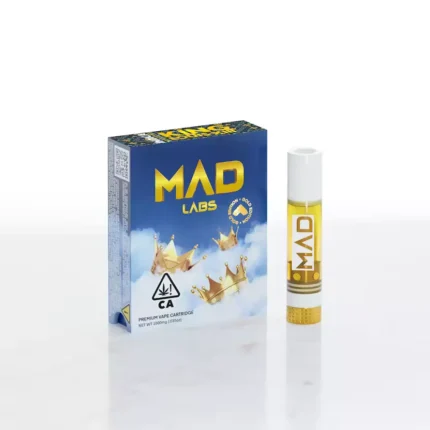
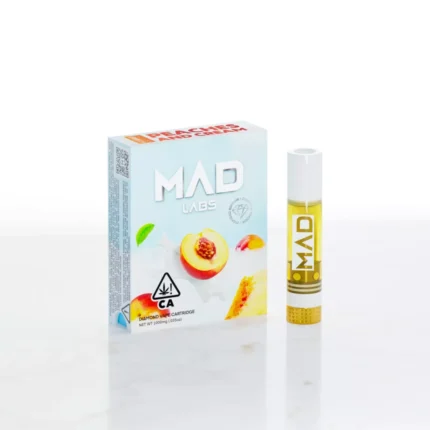
Packaging Design and Product Presentation
Packaging for solventless liquid hash rosin disposables is typically designed with both protection and branding clarity in mind. The outer structure often serves to shield the device from light and physical impact.
Additionally, informational labeling may include strain details, extraction method descriptions, and batch identifiers. Furthermore, tamper-evident seals are commonly applied to ensure product authenticity.
Consequently, packaging plays a functional role in both preservation and consumer assurance.
Moreover, visual design elements often reflect premium positioning, emphasizing refinement and quality-focused branding. As a result, presentation contributes significantly to overall product perception.
It has been observed that packaging integrity is closely linked to trust in premium concentrate categories.
User-Centered Design Improvements
User-centered design continues to shape the evolution of disposable solventless devices. Simplified operation, improved airflow, and consistent output are central priorities in development cycles.
Additionally, ergonomic shaping enhances comfort during handling. Furthermore, intuitive activation systems reduce the learning curve for new users.
Consequently, accessibility is improved without compromising technical performance.
Moreover, iterative design improvements often focus on balancing compact size with internal efficiency. As a result, newer generations of devices tend to deliver more refined experiences in smaller formats.
It has also been noted that user feedback significantly influences product evolution in this category.
Quality Consistency Across Production Batches
Maintaining batch consistency is essential in solventless concentrate manufacturing. Variations in plant material, environmental conditions, and extraction parameters can influence final output.
Additionally, standardized refinement protocols help reduce variability between production runs. Furthermore, controlled testing ensures that viscosity and terpene balance remain within target ranges.
Consequently, consumers experience more predictable performance across different units.
Moreover, documentation and traceability systems are often implemented to track production variables. As a result, quality assurance processes are strengthened over time.
It has been observed that consistency is one of the most important factors in premium concentrate branding.
Industry Evolution and Future Development Trends
The solventless concentrate sector continues to evolve rapidly as technology and consumer expectations advance. Liquid hash rosin disposables represent one of the newer intersections of craftsmanship and engineering.
Additionally, future developments may focus on improved energy efficiency, enhanced terpene preservation, and more sustainable materials. Furthermore, precision heating systems are expected to become increasingly refined.
Consequently, product performance may continue to improve while maintaining solventless integrity.
Moreover, innovation is likely to remain centered on balancing natural extraction methods with modern delivery convenience. As a result, hybrid systems will continue shaping the next generation of concentrate devices.
Final Extended Overview
The 22K Solventless Liquid Hash Rosin 1g Disposable stands as a refined expression of modern solventless concentrate engineering. Through a combination of mechanical extraction, controlled refinement, and integrated vapor technology, a cohesive product structure is achieved.
Additionally, careful attention to coil design, battery regulation, and structural sealing contributes to overall performance stability. Furthermore, terpene preservation remains a central focus throughout production and delivery.
Consequently, the product category continues to align with premium concentrate expectations, emphasizing purity, consistency, and convenience.
Moreover, ongoing innovation in solventless systems suggests continued refinement in both formulation and device engineering. As a result, liquid hash rosin disposables remain an evolving segment within the broader concentrate landscape, shaped by both tradition and technological advancement.






Reviews
There are no reviews yet.