


Grape Candy Runtz: An Informative Overview
Introduction
Grape Candy Runtz is a name commonly associated with a cannabis cultivar recognized for its sweet, fruit-inspired aroma and visually colorful flower structure. Although products carrying this name may vary by producer, the cultivar is generally described as featuring grape-like sweetness combined with candy-inspired notes. As a result, it has gained attention among cannabis enthusiasts interested in aromatic profiles and modern hybrid genetics.
Because cannabis cultivars can differ significantly between growers, individual batches may present variations in appearance, aroma, cannabinoid content, terpene composition, and overall characteristics. Therefore, product labels and laboratory testing remain the most reliable sources of information about any specific offering.
Background
Over the past decade, cannabis breeding has introduced numerous fruit-forward cultivars that emphasize distinctive terpene profiles. Grape Candy Runtz belongs to this broader trend, where breeders have focused on developing plants with expressive aromas, vibrant coloration, and consistent cultivation traits.
Furthermore, the popularity of dessert-inspired cultivar names reflects consumer interest in flavorful aromatic experiences rather than traditional earthy profiles. Consequently, cultivars carrying candy-themed names have become widely recognized within legal cannabis markets.
Appearance
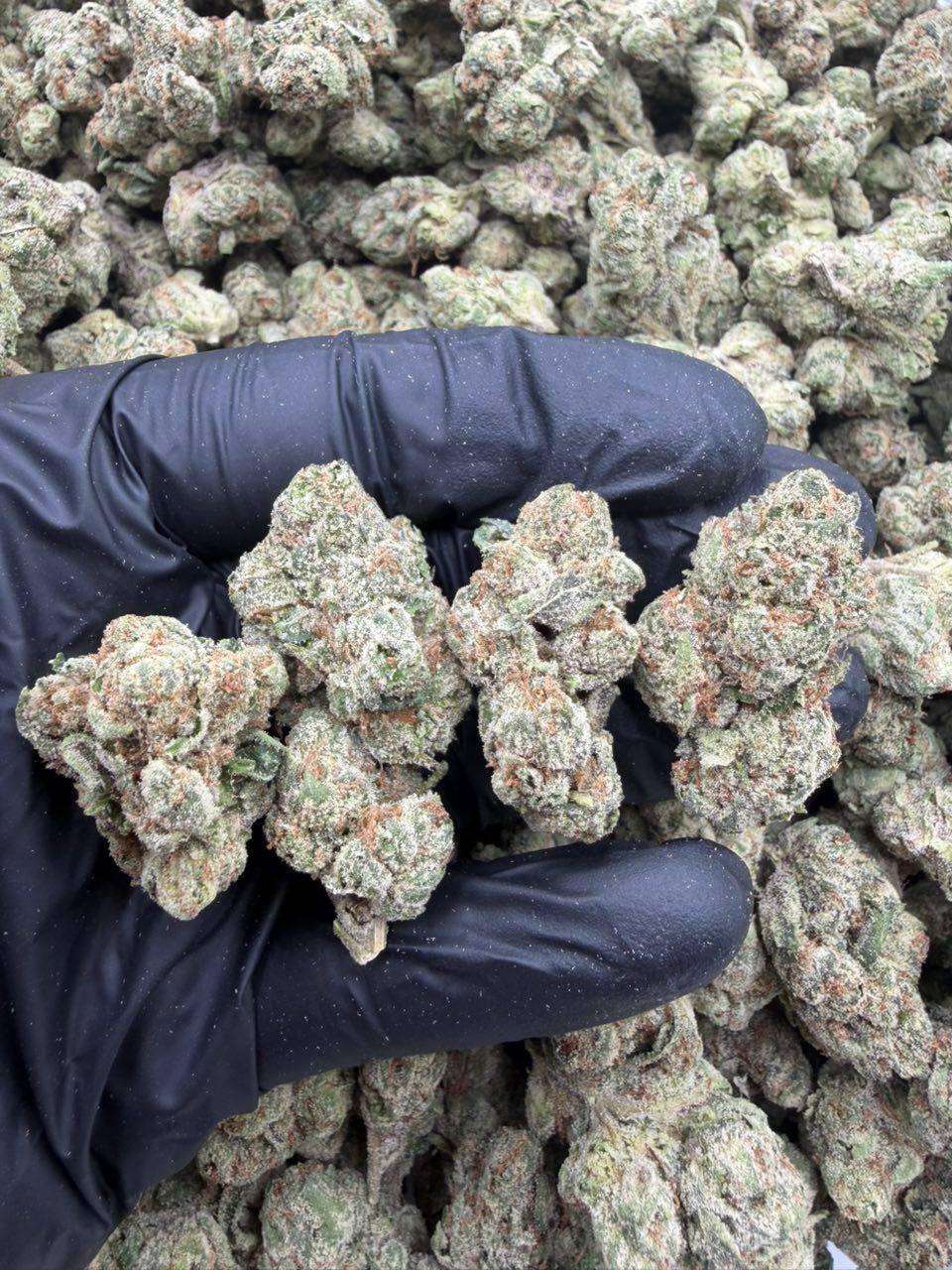
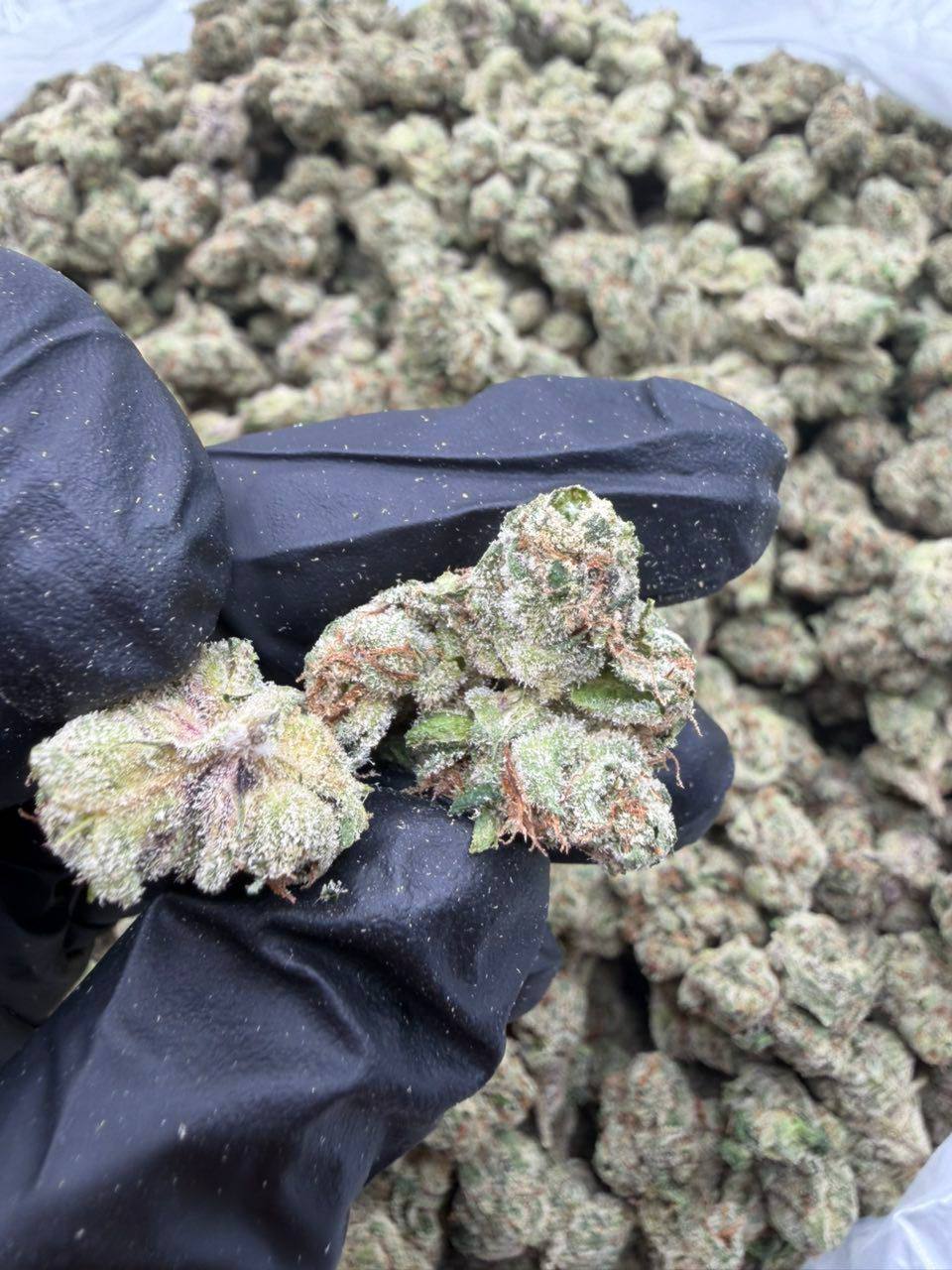
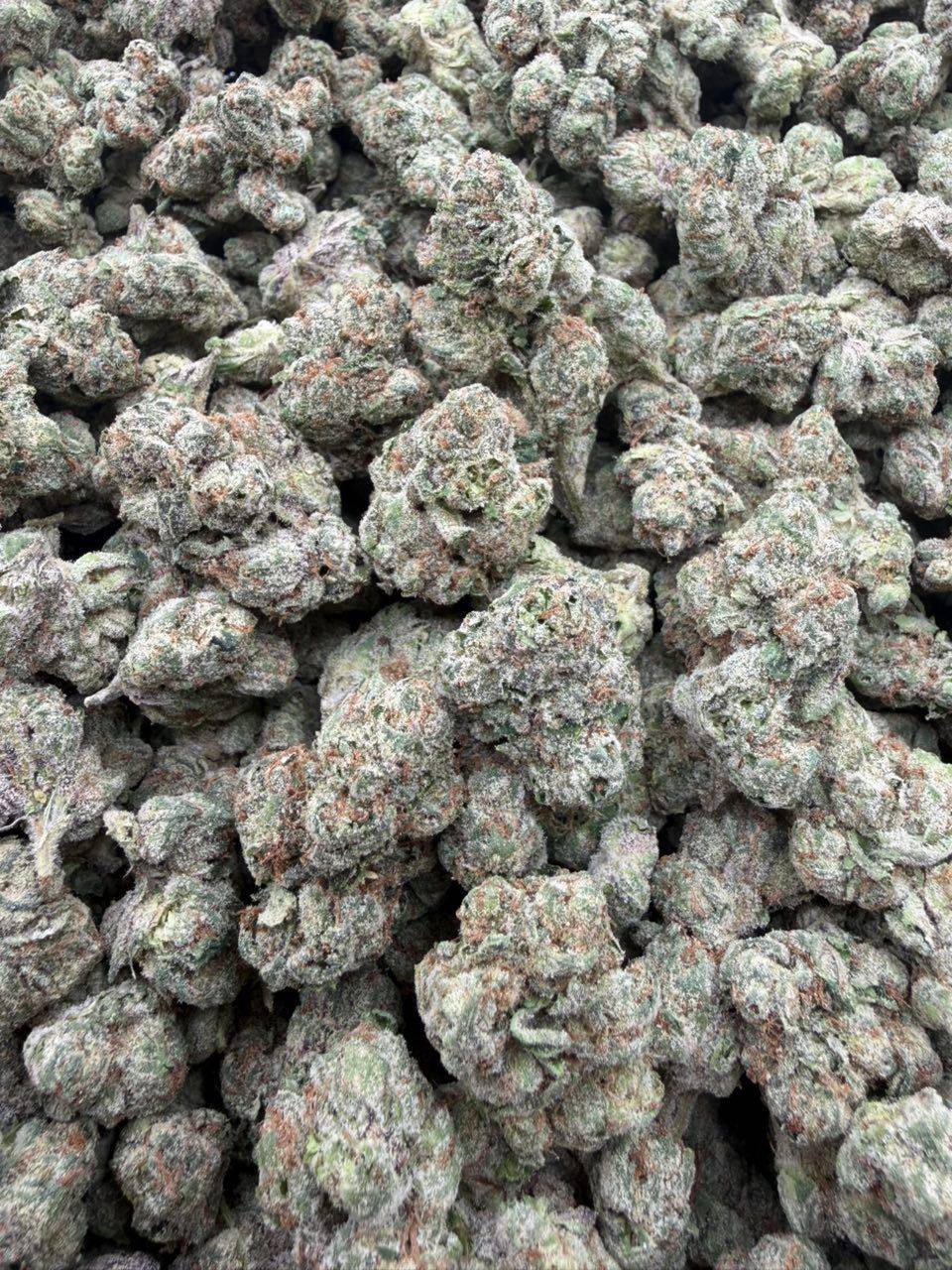
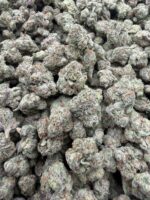
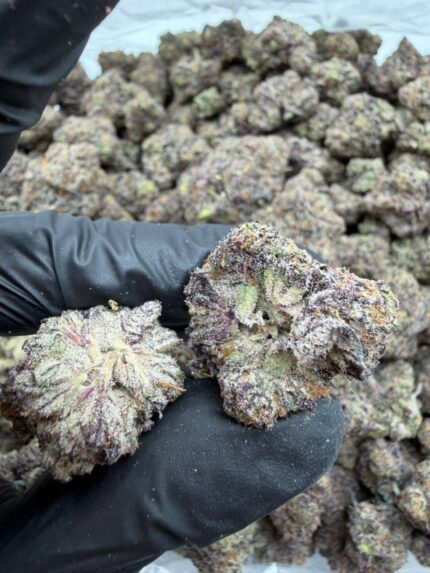
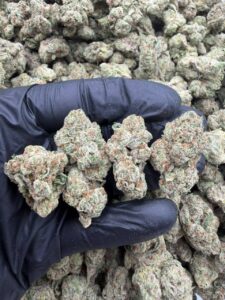
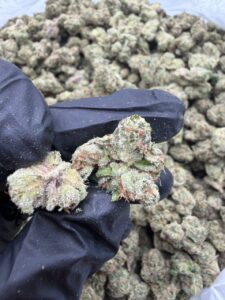
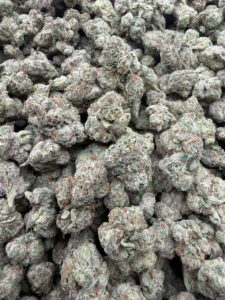
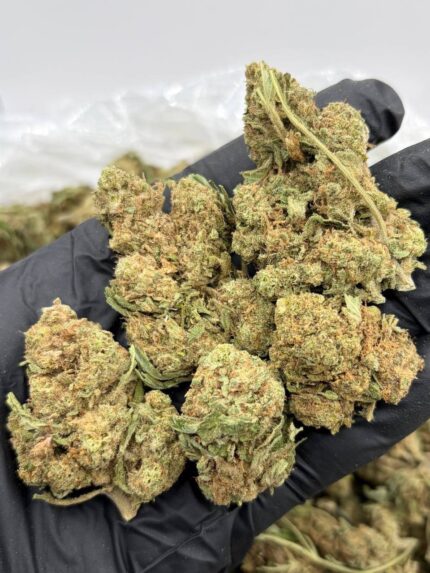
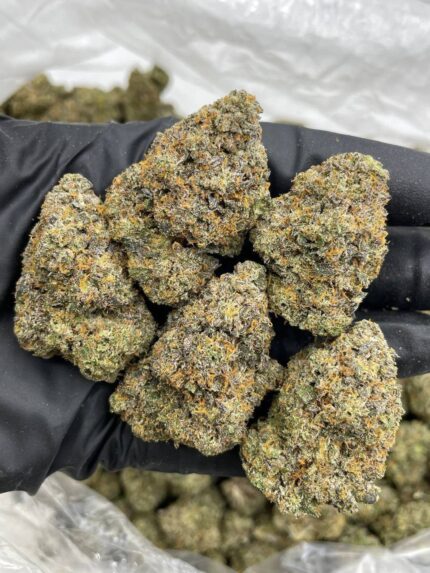
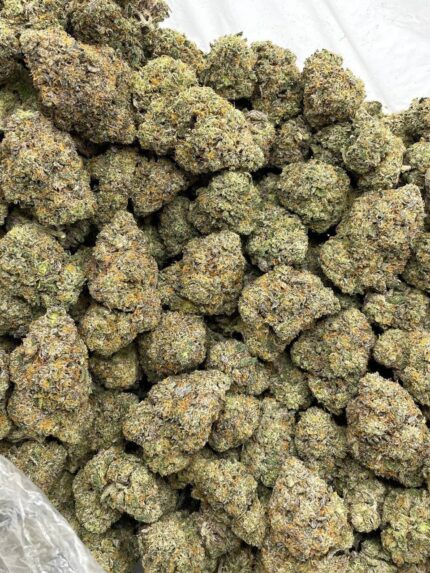
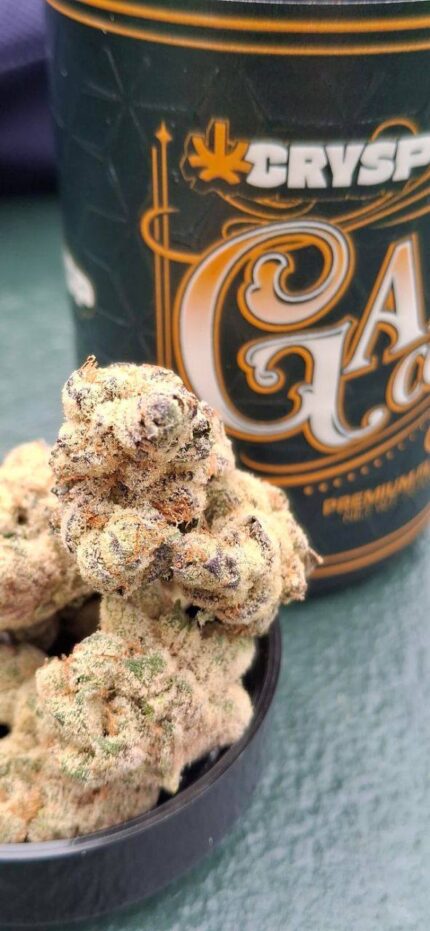
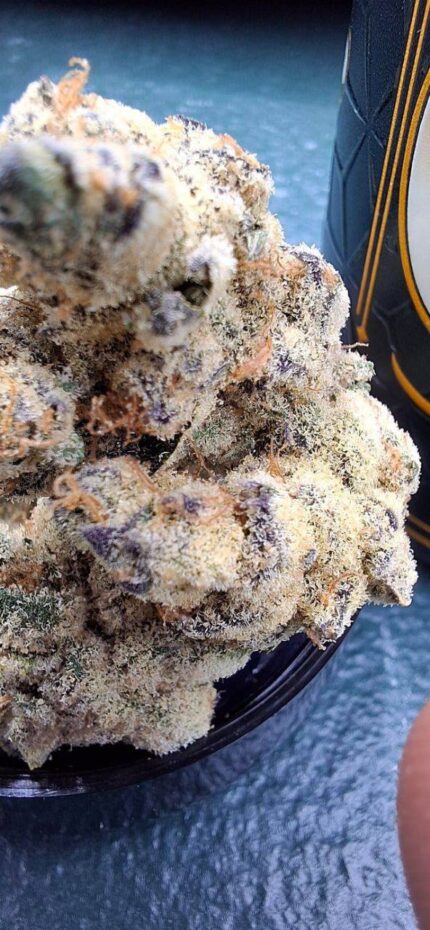
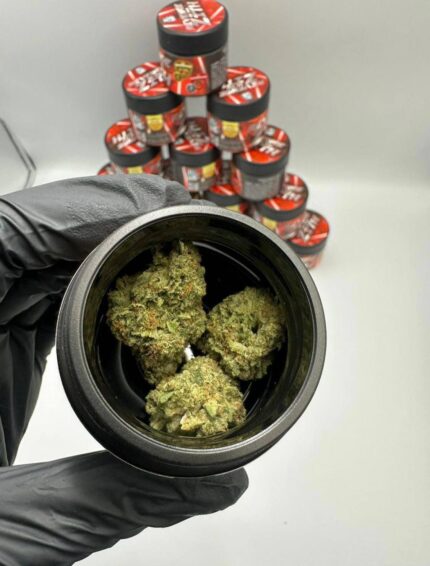
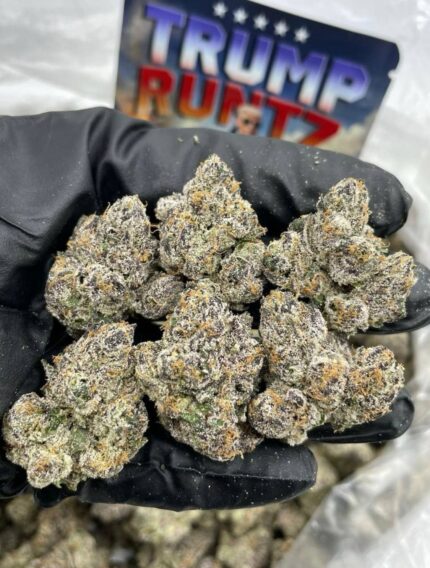
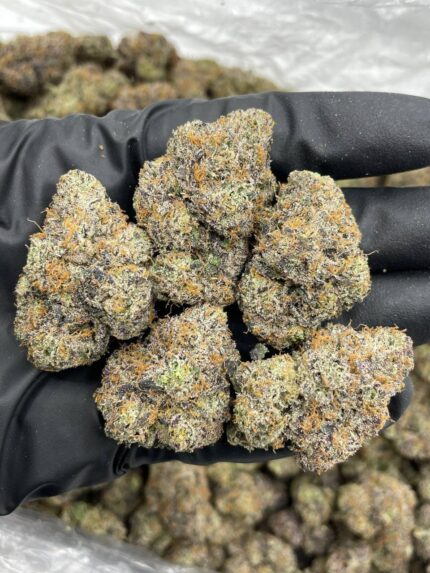
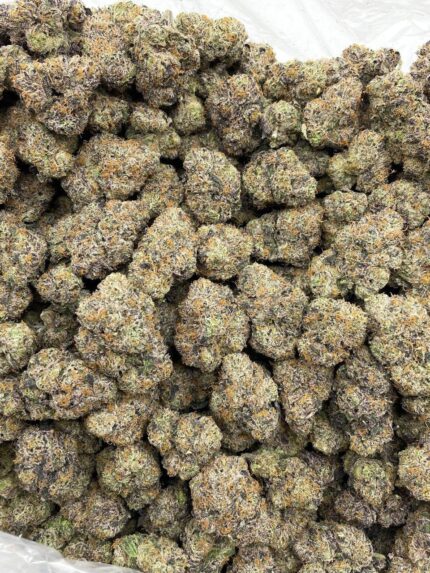
Flowers marketed as Grape Candy Runtz often display dense, compact buds covered with visible trichomes. Additionally, many examples exhibit shades of green accented by purple hues, although coloration depends heavily on genetics and cultivation conditions.
Orange or amber pistils frequently contrast against the frosted surface, creating a visually striking appearance. Meanwhile, abundant resin production contributes to the sparkling texture commonly associated with premium flower.
However, every harvest develops differently. Environmental factors, drying techniques, curing methods, and storage conditions all influence the final presentation.
Aroma Profile
One of the defining characteristics frequently associated with Grape Candy Runtz is its aroma. Many descriptions highlight sweet grape notes layered with candy-like sweetness and subtle berry nuances. Meanwhile, floral undertones may complement the primary fruit-forward scent.
Depending on the terpene profile, additional aromas can include:
- Sweet grape
- Mixed berries
- Candy
- Tropical fruit
- Citrus accents
- Floral notes
- Light earthiness
- Herbal undertones
Nevertheless, aroma intensity varies between harvests and producers.
Flavor Characteristics
Users often describe the flavor profile as reflecting the aroma, with grape-inspired sweetness appearing first, followed by fruity candy notes and a smooth herbal finish. In some batches, light citrus characteristics emerge during exhalation. Likewise, subtle earthy elements may balance the sweeter flavors.
Because individual perception differs, tasting notes remain subjective rather than universal.
Terpenes
The characteristic aroma of cannabis cultivars is largely influenced by naturally occurring terpenes. Laboratory analyses of similarly described cultivars commonly identify compounds such as myrcene, limonene, caryophyllene, and linalool, though exact compositions vary by sample.
Terpene content contributes to aroma diversity while serving as an important quality indicator for many consumers and cultivators.
Cannabinoid Content
Cannabinoid concentrations differ considerably among growers and harvests. Therefore, potency should never be assumed based solely on a cultivar name.
Reliable information comes from independent laboratory testing, which may include cannabinoid percentages together with screening for contaminants such as pesticides, heavy metals, residual solvents, and microbial organisms where required by regulation.
Cultivation Factors
Environmental conditions strongly influence the characteristics of harvested flower. Lighting intensity, temperature management, humidity, nutrient availability, genetics, harvest timing, drying, and curing all affect the final product.
Consequently, flowers sharing the same cultivar name may differ noticeably across producers.
Storage
Proper storage helps preserve aroma, freshness, and flower quality over time. Airtight containers, stable temperatures, and protection from excessive heat, light, and moisture generally support longer-lasting quality.
Additionally, minimizing repeated exposure to open air helps reduce terpene loss.
Quality Indicators
When evaluating cannabis flower in jurisdictions where it is legal, consumers often examine several quality indicators:
- Laboratory testing
- Proper curing
- Dense flower structure
- Healthy trichome coverage
- Consistent coloration
- Pleasant aroma
- Appropriate moisture level
- Absence of mold or contaminants
Together, these characteristics provide a more complete picture than cultivar name alone.
Responsible Considerations
Cannabis laws vary significantly across countries, states, and regions. Therefore, individuals should follow all applicable local regulations. Products should be obtained only from licensed sources where legal, and laboratory-tested products provide greater transparency regarding cannabinoid content and product safety.
Adults choosing to consume cannabis should avoid driving or operating machinery while impaired and should store cannabis securely away from children and pets.
Conclusion
Grape Candy Runtz is widely recognized for its fruit-inspired aromatic profile, colorful appearance, and resin-rich flowers. Although individual products differ by producer, the cultivar is commonly associated with sweet grape notes, candy-like fragrance, and visually appealing buds. Moreover, cultivation practices, genetics, and curing methods all influence the characteristics of each harvest. Consequently, laboratory testing and transparent product information remain the best resources for understanding any specific batch.
Continuing in a more detailed, informational direction, here is an expanded section that deepens the discussion around the “Grape Candy Runtz” cultivar name, its broader genetic context, and how products like this are typically understood in regulated cannabis markets.
Genetics and Breeding Context
Names like Grape Candy Runtz are typically associated with modern hybrid cannabis lineages that emphasize flavor-forward breeding. In many cases, cultivars with the “Runtz” naming convention trace back to crossbreeding efforts involving fruit- and candy-leaning genetic lines selected for terpene richness and visually appealing flower structure.
However, it is important to understand that cultivar naming in cannabis is not standardized globally. As a result, the same name may refer to different genetic expressions depending on the breeder or producer. This variability is especially common in highly popular naming families like “Runtz,” where multiple independent breeding projects may produce distinct phenotypes under similar branding.
Therefore, genetic identity is best confirmed through breeder documentation and, where available, genetic or chemotypic analysis rather than name alone.
Phenotype Variation
Even within a single verified genetic lineage, cannabis plants can express different phenotypes. These differences may include variations in:
- Color intensity (green, purple, or mixed tones)
- Trichome density
- Bud structure (dense vs. more airy formations)
- Aroma strength and balance
- Dominant terpene expression
Because of this natural variability, two samples labeled under the same cultivar name may still present noticeably different sensory experiences. This is one reason laboratory testing and batch-specific data are emphasized in regulated markets.
Terpene Science in Greater Detail
Terpenes are aromatic compounds produced by many plants, including cannabis. They contribute significantly to the perceived smell and flavor profile of any given cultivar.
In fruit- and candy-themed cultivars such as those described under names like Grape Candy Runtz, the following terpene interactions are often discussed in analytical literature:
- Myrcene: commonly associated with earthy, fruity, or musky undertones
- Limonene: often linked to citrus-like aromatic notes
- Caryophyllene: can contribute spicy or pepper-like accents
- Linalool: frequently associated with floral or lavender-like aromas
- Pinene: may introduce a fresh, pine-like character in some profiles
While these compounds are frequently found across many cannabis types, the balance between them determines the final aromatic identity of a cultivar.
Moreover, terpene profiles are influenced by cultivation conditions, harvest timing, and post-harvest curing techniques. Consequently, even genetically identical plants may express different aromatic strengths depending on environmental factors.
Sensory Perception and Consumer Interpretation
Aroma and flavor descriptions such as “grape,” “candy,” or “sweet berry” are subjective interpretations rather than fixed chemical descriptors. Human sensory perception plays a significant role in how terpene combinations are experienced.
For example, a blend of limonene and myrcene might be perceived as “fruity candy-like” by one individual, while another might describe the same profile as “sweet citrus with herbal undertones.”
Because of this subjectivity, descriptive names like Grape Candy Runtz function more as marketing and sensory shorthand than precise scientific classification.
Role of Cultivation Techniques
Cultivation practices have a strong influence on the final characteristics of cannabis flower. Key variables include:
Lighting Conditions
Light intensity and spectrum affect resin production and coloration. In some cases, cooler nighttime temperatures during flowering can enhance purple pigmentation in certain genetically predisposed plants.
Nutrient Balance
Nutrient availability influences plant vigor, bud density, and overall structural development. Overfeeding or deficiencies can significantly alter the final appearance and aroma.
Harvest Timing
The timing of harvest impacts cannabinoid and terpene maturity. Early or late harvesting may shift aroma intensity and chemical balance.
Drying and Curing
Post-harvest processing is critical. Proper drying reduces moisture content gradually, while curing allows volatile compounds to stabilize. Poor curing practices may diminish aroma complexity and overall quality.
Laboratory Testing and Quality Assurance
In regulated cannabis markets, laboratory testing provides standardized information about product composition. Typical testing categories include:
- Cannabinoid profile (e.g., THC, CBD, minor cannabinoids)
- Terpene analysis
- Moisture content
- Microbial contamination screening
- Residual solvent testing (for extracted products)
- Pesticide and heavy metal screening
These results help ensure transparency and consistency, particularly for products sold under popular cultivar names that may otherwise vary widely in expression.
Common Misunderstandings About Strain Names
There are several misconceptions about cannabis naming conventions:
1. Name Equals Genetics
Many consumers assume that a cultivar name guarantees a specific genetic lineage. In reality, naming is often influenced by branding and may not reflect strict genetic consistency across producers.
2. Flavor is Guaranteed
Flavor descriptions are not fixed outcomes. Environmental conditions, curing methods, and individual perception all affect sensory experience.
3. Potency is Inherent to Name
Cannabinoid content varies widely within the same cultivar name. Testing is the only reliable indicator of potency.
Comparison With Similar Flavor-Forward Cultivars
Grape Candy Runtz is often discussed alongside other fruit- and candy-themed cultivars. These include other “Runtz family” or dessert-style varieties that emphasize sweetness and aromatic intensity.
While comparisons are commonly made, differences usually come down to:
- Dominant terpene ratios
- Color expression
- Resin production
- Overall flavor balance
These distinctions are subtle and often require laboratory analysis or controlled sensory evaluation to fully distinguish.
Market Positioning and Popularity Trends
Flavor-forward cannabis naming conventions have become increasingly popular in recent years. This trend reflects consumer interest in experiential qualities such as aroma, taste, and visual appeal rather than purely traditional classifications.
As a result, names like Grape Candy Runtz often appear in premium or craft-style product categories where branding and sensory identity are emphasized.
Final Considerations
Understanding cultivars like Grape Candy Runtz requires separating branding language from biological and chemical reality. While the name suggests a consistent flavor and genetic identity, actual products may differ significantly depending on breeder selection, cultivation environment, and post-harvest handling.
Therefore, the most reliable way to evaluate any product labeled under this name is through verified laboratory testing and producer transparency rather than relying solely on descriptive naming.
Continuing with a deeper, more structured informational expansion, this section builds further into cultivation science, product evaluation frameworks, and broader market context around cultivar-style naming such as Grape Candy Runtz.
Environmental Influence on Expression
Cannabis plants are highly sensitive to their environment, and this sensitivity plays a central role in how cultivars like Grape Candy Runtz ultimately express themselves. Even when genetics remain consistent, external conditions can shift aroma intensity, coloration, and resin development.
Temperature Fluctuations
Temperature differences between day and night cycles can influence pigment development. In some genetically predisposed plants, cooler nighttime temperatures during the flowering phase may encourage anthocyanin expression, which contributes to purple or deep violet hues often associated with grape-themed cultivars.
At the same time, consistently high temperatures can reduce terpene retention, leading to a less pronounced aroma profile even if the plant is otherwise healthy.
Humidity Management
Humidity control is essential during both growth and post-harvest stages. Elevated humidity during flowering can increase the risk of mold development, while excessively low humidity may stress the plant and reduce resin production.
During drying, controlled humidity ensures a gradual moisture release, preserving aromatic compounds that would otherwise evaporate too quickly.
Airflow and Plant Health
Proper airflow reduces the likelihood of microbial issues and supports even growth. When airflow is inconsistent, plants may develop uneven bud density, which later affects curing uniformity and final texture.
Post-Harvest Processing Importance
Post-harvest handling is often where the most significant differences between otherwise similar cultivars become visible. Even high-quality genetics can produce underwhelming results if curing and drying are poorly executed.
Drying Phase
The drying phase typically involves slowly reducing moisture content under controlled environmental conditions. If this process happens too quickly, volatile aromatic compounds may be lost, reducing the complexity of the final profile.
Conversely, overly slow drying in humid conditions may increase contamination risk.
Curing Phase
Curing allows internal moisture redistribution and chemical stabilization. During this stage, chlorophyll breakdown occurs gradually, which can reduce harshness and improve smoothness in aroma perception.
Well-cured flower often exhibits:
- More stable aroma
- Smoother sensory profile
- Improved structural integrity
- Reduced “green” or grassy notes
Because of these effects, curing is widely considered one of the most important quality determinants in finished cannabis flower.
Chemical Composition Overview
Cannabis flower contains a wide range of chemical compounds that contribute to its overall profile. While cannabinoids and terpenes are most commonly discussed, other compounds also play subtle roles.
Cannabinoids
Cannabinoids interact with biological systems and define much of the plant’s chemical identity. However, concentrations vary widely depending on genetics and cultivation methods.
Common cannabinoids include:
- THC (tetrahydrocannabinol)
- CBD (cannabidiol)
- CBG (cannabigerol)
- CBC (cannabichromene)
Each contributes differently to the overall chemical profile, although relative concentrations vary significantly across cultivars.
Flavonoids
Flavonoids are less discussed but contribute to pigmentation and subtle flavor nuances. They may influence color expression in purple-leaning cultivars, particularly under specific environmental conditions.
Sensory Layering in Fruity Cultivars
Fruit- and candy-inspired cultivars are often described in layered sensory terms. This layering reflects how aroma compounds are perceived in stages rather than all at once.
A typical perception structure may include:
- Initial aroma burst – often sweet or fruity notes perceived immediately upon opening
- Mid-palate development – more complex berry or grape-like tones
- After-aroma finish – subtle herbal or earthy undertones that linger
This layered experience is influenced by terpene volatility, meaning some compounds evaporate faster than others and are detected at different times.
Market Evolution of Flavor-Focused Strains
Over time, cannabis breeding has shifted significantly toward flavor-oriented cultivars. Earlier breeding priorities often focused on yield, potency, or resilience. In contrast, modern trends place greater emphasis on sensory uniqueness.
This shift has led to the emergence of naming clusters such as:
- Dessert-inspired names
- Candy-themed profiles
- Fruit-forward branding
- Hybridized “signature” lines like Runtz variants
As a result, cultivars like Grape Candy Runtz exist within a broader commercial movement that prioritizes aromatic identity as a key selling characteristic.
Consumer Evaluation Framework
In regulated environments, consumers often evaluate flower using structured criteria rather than relying solely on names. A more reliable evaluation framework includes:
Visual Inspection
- Trichome density
- Color consistency
- Bud structure
- Visible contamination absence
Aroma Assessment
- Intensity
- Complexity
- Balance of sweet, fruity, and earthy notes
Texture Evaluation
- Moisture balance
- Stickiness due to resin content
- Structural integrity when handled
Testing Verification
- Cannabinoid content accuracy
- Safety screening results
- Terpene profile confirmation
Together, these factors provide a more objective understanding of quality than branding alone.
Variability Across Producers
One of the most important realities in modern cannabis markets is variability across producers. Even when two producers use the same cultivar name, their results may differ due to:
- Different genetic cuts or phenotypes
- Distinct cultivation environments
- Unique nutrient programs
- Divergent curing techniques
- Post-harvest handling differences
Because of this, the same name can represent a wide range of sensory and chemical outcomes.
Broader Cultural Context
Cannabis naming conventions like Grape Candy Runtz reflect a broader cultural shift toward experiential branding. Rather than emphasizing botanical classification, modern names often aim to communicate an imagined sensory experience.
This naming style blends marketing language with perceived flavor expectations, which helps consumers quickly form expectations but can also create inconsistencies between expectation and reality.
Final Expansion Insight
When viewed from a scientific and agricultural perspective, cultivars such as Grape Candy Runtz are best understood not as fixed products but as expressive biological systems shaped by genetics, environment, and human processing.
Therefore, consistency in this category depends less on naming and more on:
- Genetic verification
- Controlled cultivation practices
- Standardized post-harvest procedures
- Transparent laboratory testing



Reviews
There are no reviews yet.