




Sour Diesel Strain Guide: Aroma, Genetics, Appearance, and Growing Characteristics
Introduction
Sour Diesel is one of the most recognizable cannabis strains in modern cannabis culture. Over the years, it has gained widespread recognition because of its distinctive aroma, vibrant appearance, and unique genetic background. Cannabis enthusiasts, cultivators, and researchers frequently discuss Sour Diesel due to its long-standing reputation within the cannabis community.
This strain has remained popular for decades, making it a common topic in educational resources and cannabis strain databases. Its history, botanical traits, and cultivation characteristics continue to attract interest among people who study cannabis genetics or simply want to learn more about well-known cultivars.
Origins of Sour Diesel
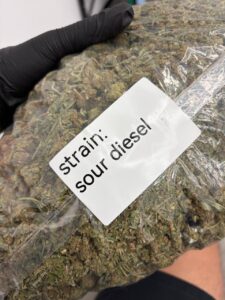
Although the exact origin of Sour Diesel remains the subject of debate, many cannabis historians believe that it emerged in the United States during the early 1990s. Several theories exist regarding its lineage, yet many sources suggest that it developed from crosses involving Chemdawg and Super Skunk or related genetics.
Regardless of the precise breeding history, Sour Diesel quickly established itself as one of the most influential cannabis varieties. Consequently, many breeders later incorporated its genetics into new hybrid strains, contributing to its lasting influence on cannabis cultivation.
Botanical Classification
Sour Diesel is generally classified as a sativa-dominant cannabis strain. Nevertheless, its exact genetic ratio may vary depending on the breeder and cultivation practices. Different phenotypes also display subtle differences in growth habits, aroma, and appearance.
Even so, most examples share several recognizable botanical characteristics that make the strain easy to identify.
Appearance
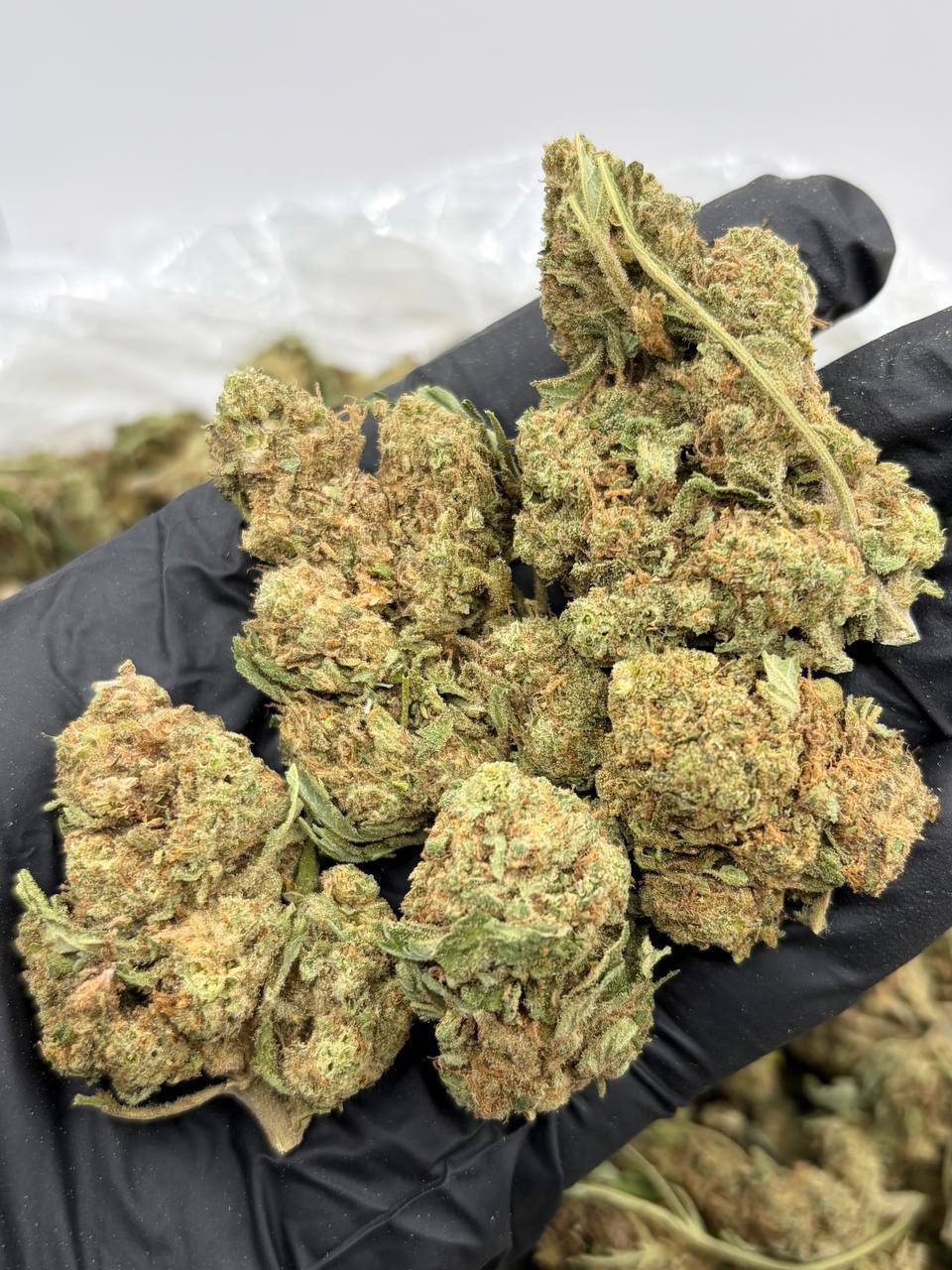
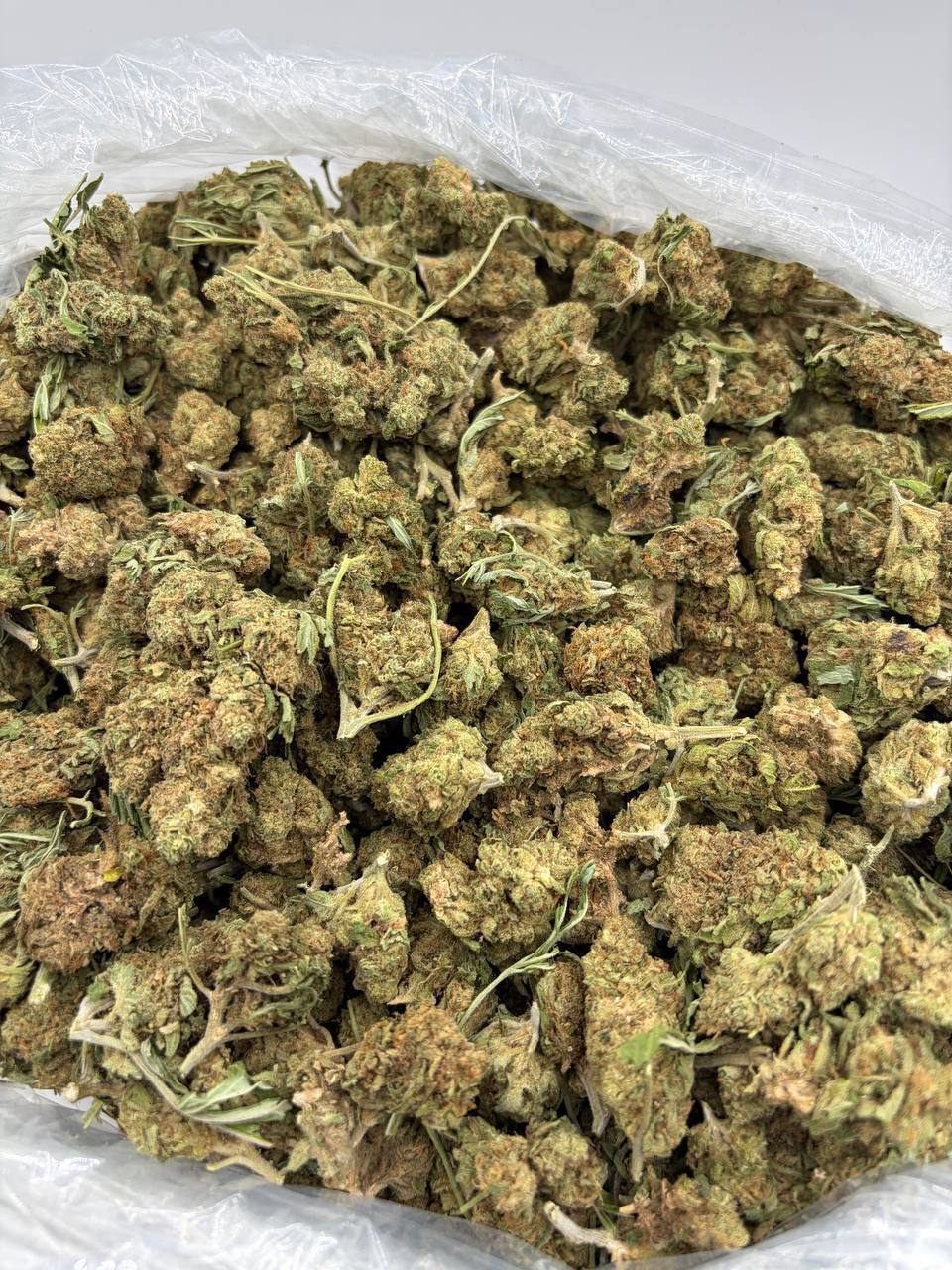
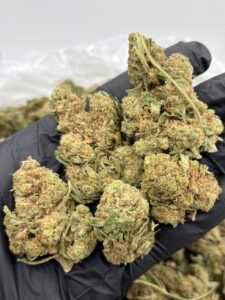
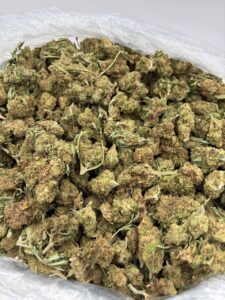
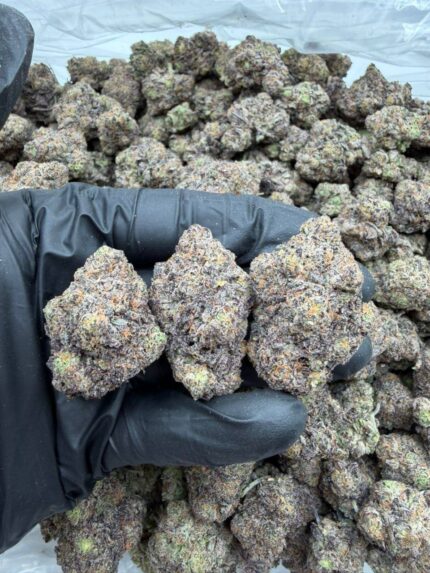
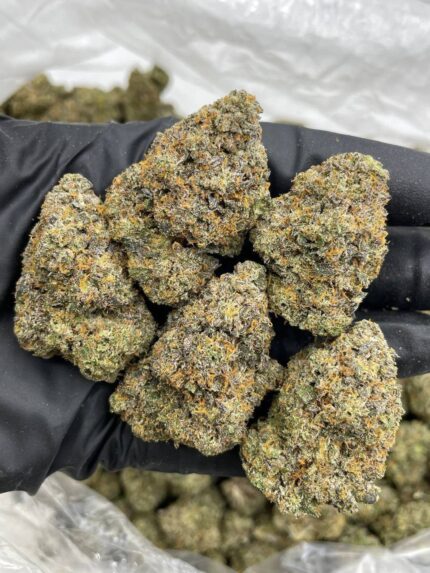
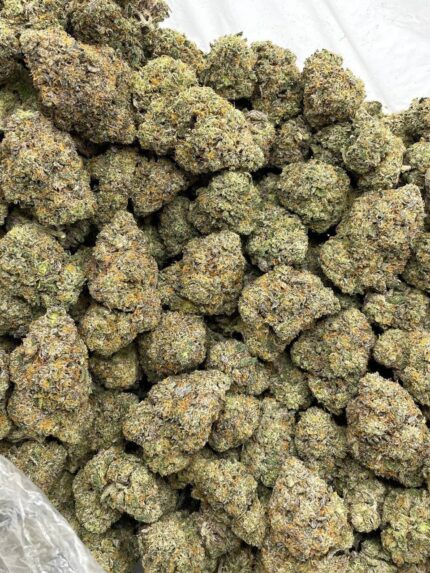
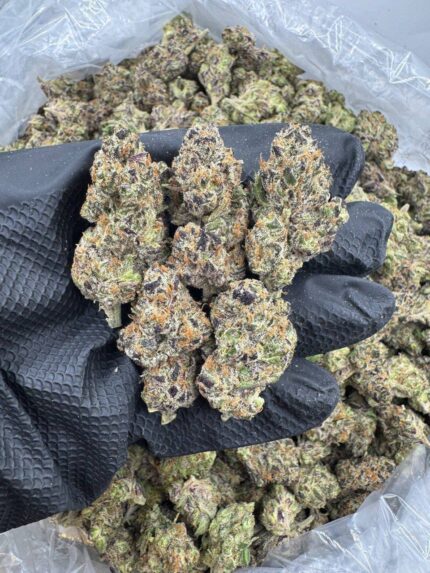
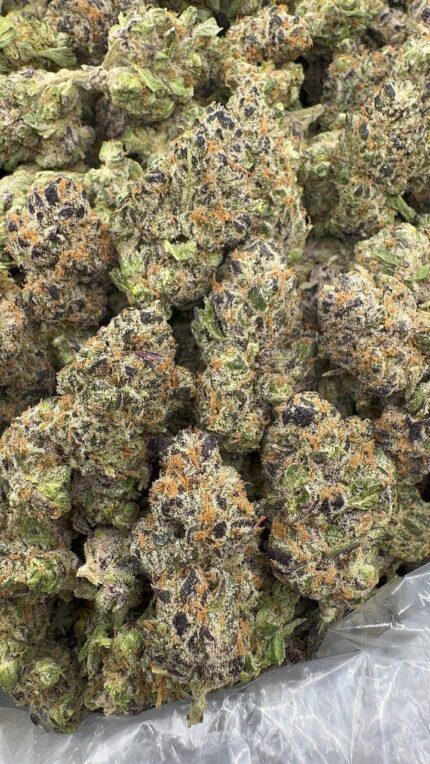
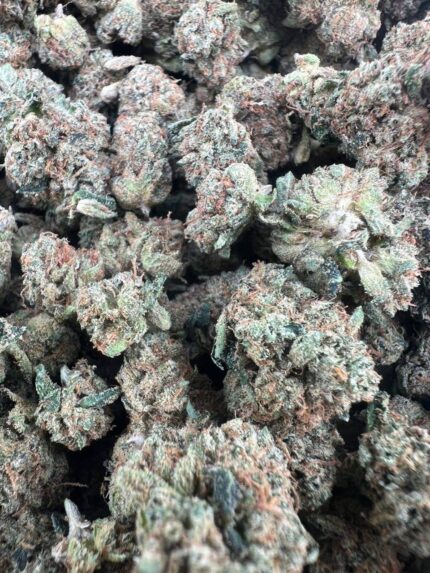
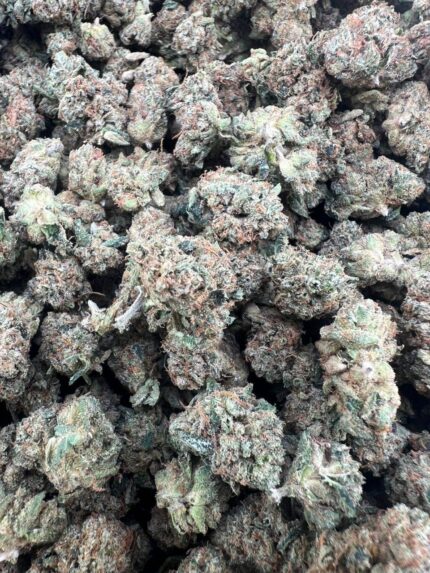
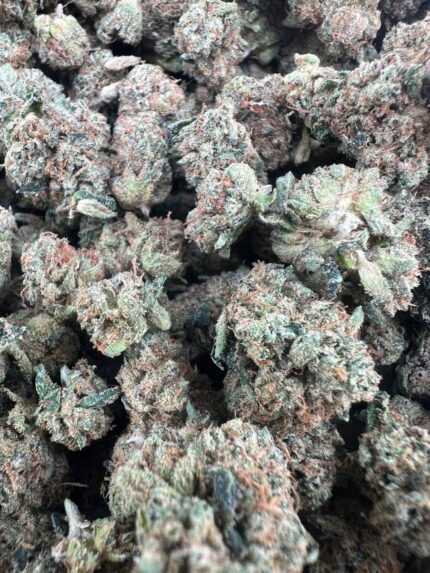
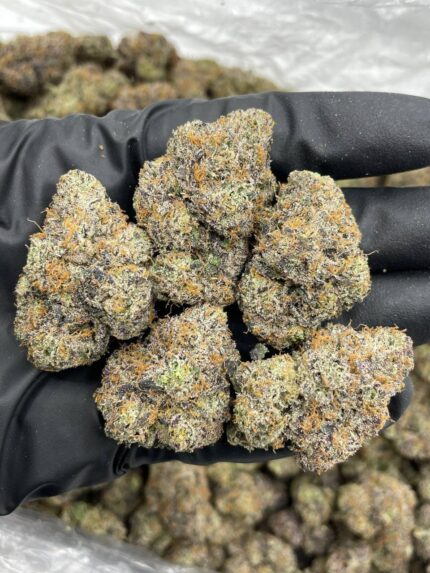
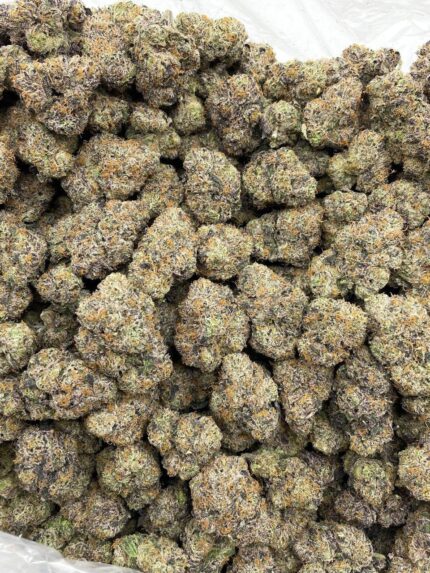
The flowers of Sour Diesel typically display a bright green coloration accented by lighter shades throughout the buds. In addition, many plants develop orange to amber pistils that contrast with the surrounding foliage.
A generous coating of trichomes often gives mature flowers a frosted appearance. These tiny resin glands contribute significantly to the plant’s visual appeal while also serving important biological functions.
Furthermore, the buds usually exhibit an elongated structure rather than an extremely dense shape. As a result, experienced cultivators often recognize Sour Diesel from its characteristic flower formation.
Aroma Profile
One of the defining characteristics of Sour Diesel is its exceptionally distinctive aroma.
Many descriptions reference notes that resemble:
- Diesel fuel
- Citrus peel
- Earth
- Herbs
- Pine
- Lemon
- Skunk
- Spice
Together, these aromatic compounds create the scent profile for which Sour Diesel has become widely recognized.
Terpene Profile
Like many cannabis varieties, Sour Diesel contains a complex blend of naturally occurring terpenes.
Commonly reported terpenes include:
- Caryophyllene
- Limonene
- Myrcene
These aromatic compounds contribute to the plant’s fragrance and help differentiate Sour Diesel from many other cannabis cultivars.
Growing Characteristics
Sour Diesel is frequently discussed among cultivators because of its vigorous growth.
Typical growing characteristics include:
- Tall plant structure
- Strong branch development
- Moderate to high stretching during flowering
- Good airflow between branches
- Bright green foliage
Indoor growers often train the plant to manage height effectively. Outdoor cultivation may allow the plant to reach a much larger size under suitable environmental conditions.
Flowering Period
Many growers report that Sour Diesel generally requires a relatively long flowering period compared with some modern hybrids. Environmental conditions, cultivation techniques, and specific genetics can influence development.
Because growing outcomes vary considerably, cultivation timelines should be viewed as approximate rather than guaranteed.
Climate Preferences
Sour Diesel generally performs best under stable environmental conditions with adequate airflow and consistent light exposure.
Successful cultivation typically depends upon:
- Appropriate temperature management
- Balanced humidity
- Proper nutrition
- Effective pruning
- Pest management
- Suitable growing medium
Healthy cultivation practices remain important regardless of the specific cannabis variety.
Genetic Influence
Sour Diesel has influenced numerous cannabis breeding projects over several decades.
Many hybrid strains incorporate Sour Diesel genetics in combination with other established cultivars. Consequently, breeders continue to explore its characteristics while developing new varieties.
Its genetic legacy has therefore become an important part of modern cannabis breeding history.
Visual Characteristics
Mature flowers commonly feature:
- Bright green coloration
- Orange pistils
- Frosty trichomes
- Medium to large buds
- Elongated flower structure
- Dense resin coverage
These visual features contribute to the strain’s recognizable appearance.
Why Sour Diesel Remains Well Known
Several factors explain the enduring recognition of Sour Diesel:
- Distinctive aroma
- Historic reputation
- Influential genetics
- Recognizable appearance
- Extensive cultivation history
- Continued use in breeding programs
Together, these characteristics have helped establish Sour Diesel as one of the cannabis industry’s most discussed strains.
Conclusion
Sour Diesel remains an iconic cannabis cultivar because of its distinctive botanical characteristics, notable aroma, and significant influence on cannabis genetics. Although its precise origin continues to generate discussion, its importance within cannabis history is widely acknowledged. As researchers, cultivators, and enthusiasts continue studying cannabis genetics, Sour Diesel remains an enduring reference point for understanding the evolution of modern cannabis breeding.
Cultivation Considerations
Environmental stability plays a significant role in the healthy development of Sour Diesel plants. Therefore, cultivators often pay close attention to temperature, humidity, air circulation, and light intensity throughout the growing cycle. Although cultivation methods vary considerably, maintaining consistent conditions generally supports uniform plant growth.
During the vegetative stage, Sour Diesel typically develops rapidly when provided with adequate light and balanced nutrition. Moreover, regular pruning may improve airflow through the canopy, which can help reduce excess moisture around the foliage. As the plant matures, branch support sometimes becomes necessary because flower development can increase the weight carried by individual stems.
Indoor cultivation allows growers to regulate environmental variables with greater precision. Outdoor cultivation, on the other hand, depends more heavily on regional climate conditions and seasonal weather patterns. Consequently, successful results often reflect careful planning as well as consistent maintenance throughout the growing season.
Plant Structure
Sour Diesel commonly exhibits a tall growth pattern with elongated internodal spacing. As a result, experienced cultivators often recognize the variety by its open canopy and vigorous vertical development. Furthermore, lateral branches typically extend outward, creating additional flowering sites under favorable conditions.
The leaves generally display a rich green color with narrow leaflets, a characteristic frequently associated with sativa-dominant cannabis varieties. Meanwhile, mature flowers often become coated with abundant trichomes, giving the buds a crystalline appearance under direct light.
Trichomes and Resin
Trichomes are microscopic resin glands that naturally develop across the flowers and nearby leaves. These structures serve several biological functions, including helping protect the plant from environmental stressors.
As flowering progresses, trichome coverage generally becomes more noticeable. Consequently, mature flowers often appear frosted because thousands of resin glands reflect available light. This visual characteristic has become one of the defining botanical features associated with Sour Diesel.
Cannabis Taxonomy
Cannabis researchers continue to study the classification of cannabis varieties because modern cultivars frequently result from generations of selective breeding. Therefore, labels such as “sativa,” “indica,” and “hybrid” often describe general growth characteristics rather than strict scientific categories.
Within this broader context, Sour Diesel is commonly described as a sativa-dominant cultivar. Nevertheless, individual phenotypes may display differences in plant height, flower density, coloration, and aroma depending on breeding history and cultivation practices.
Phenotypic Variation
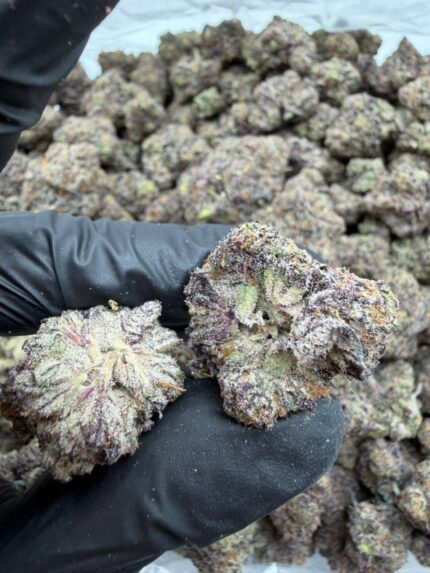
Not every Sour Diesel plant develops identically. Instead, growers may observe subtle differences among individual plants even when seeds originate from the same breeding line.
Potential variations include:
- Plant height
- Branch spacing
- Flower shape
- Trichome density
- Leaf size
- Aroma intensity
- Color expression during flowering
These natural differences contribute to the diversity seen within cannabis cultivation and demonstrate the influence of genetics and environmental conditions.
Sustainability in Cultivation
Modern cultivation practices increasingly emphasize sustainable resource management. Accordingly, many cultivators seek methods that improve efficiency while reducing unnecessary waste.
Examples include:
- Efficient irrigation systems
- Responsible water management
- Soil health monitoring
- Composting organic materials
- Integrated pest management
- Energy-efficient lighting in controlled environments
Although cultivation techniques vary, sustainable practices continue to receive growing attention throughout horticulture.
Storage Considerations
Proper storage helps preserve the physical quality of harvested botanical material intended for research, display, or other lawful purposes. Environmental factors such as excessive heat, moisture, and direct sunlight may contribute to faster degradation of plant material over time.
General storage recommendations for dried botanical specimens often include:
- Keeping material in airtight containers
- Avoiding prolonged exposure to sunlight
- Maintaining a cool, dry environment
- Minimizing repeated exposure to fluctuating humidity
These practices are broadly applicable to many dried botanical products.
Cultural Significance
Over the past several decades, Sour Diesel has become one of the most frequently referenced cannabis cultivars in books, documentaries, online strain databases, and discussions surrounding cannabis breeding. As a result, it occupies an important place in the historical development of modern cannabis genetics.
Its recognizable name frequently appears in conversations about classic cannabis varieties because numerous contemporary hybrids trace part of their lineage to Sour Diesel. Consequently, the cultivar remains relevant to discussions about breeding history and genetic diversity.
Final Thoughts
Sour Diesel continues to attract interest from horticultural researchers, cannabis historians, and cultivators because of its distinctive botanical characteristics and enduring genetic influence. Moreover, its recognizable appearance, complex terpene profile, and long cultivation history have helped establish it as one of the most studied cannabis cultivars. As research into cannabis genetics advances, Sour Diesel remains an important reference point for understanding the development and diversity of modern cannabis varieties.


Reviews
There are no reviews yet.