
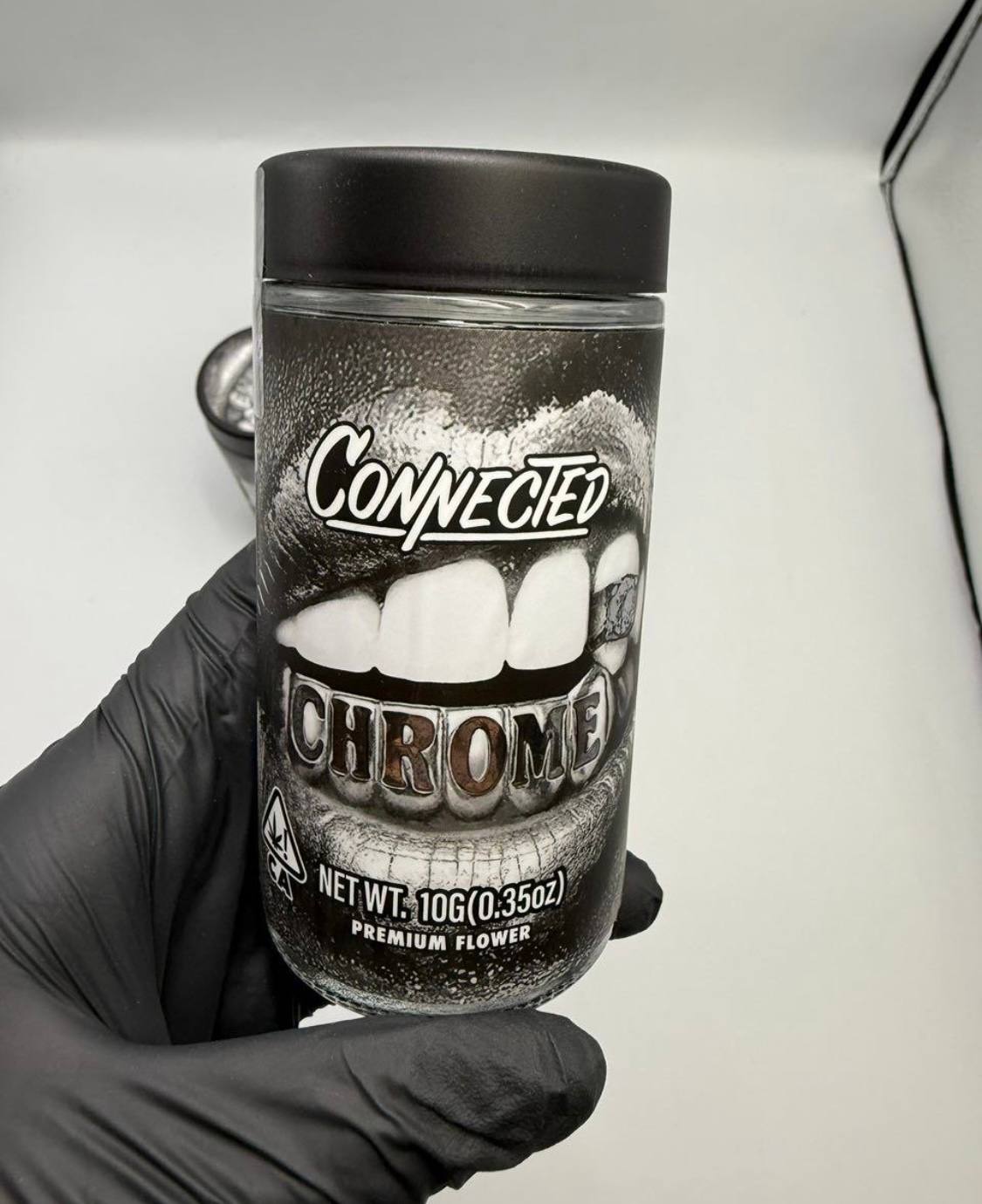
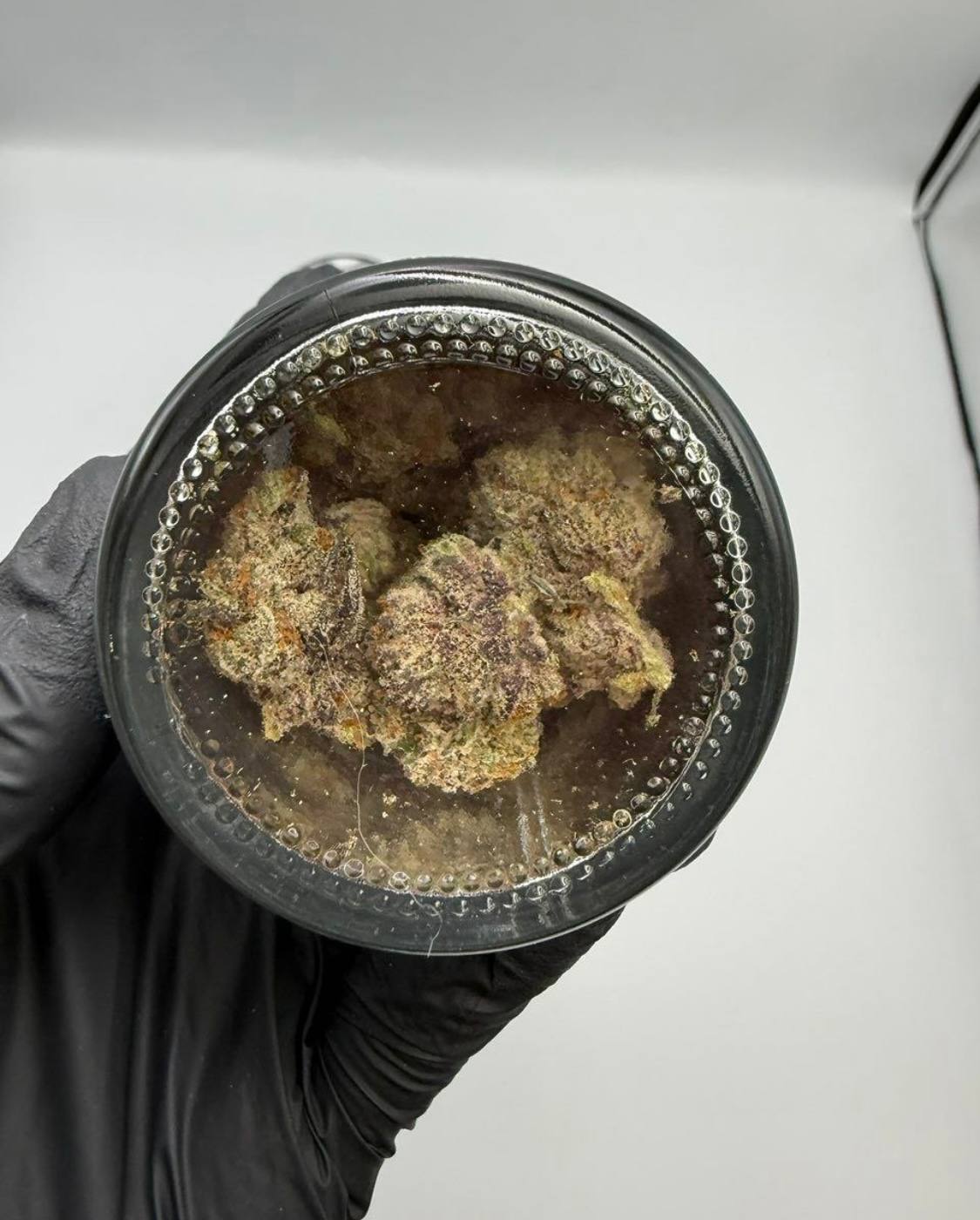
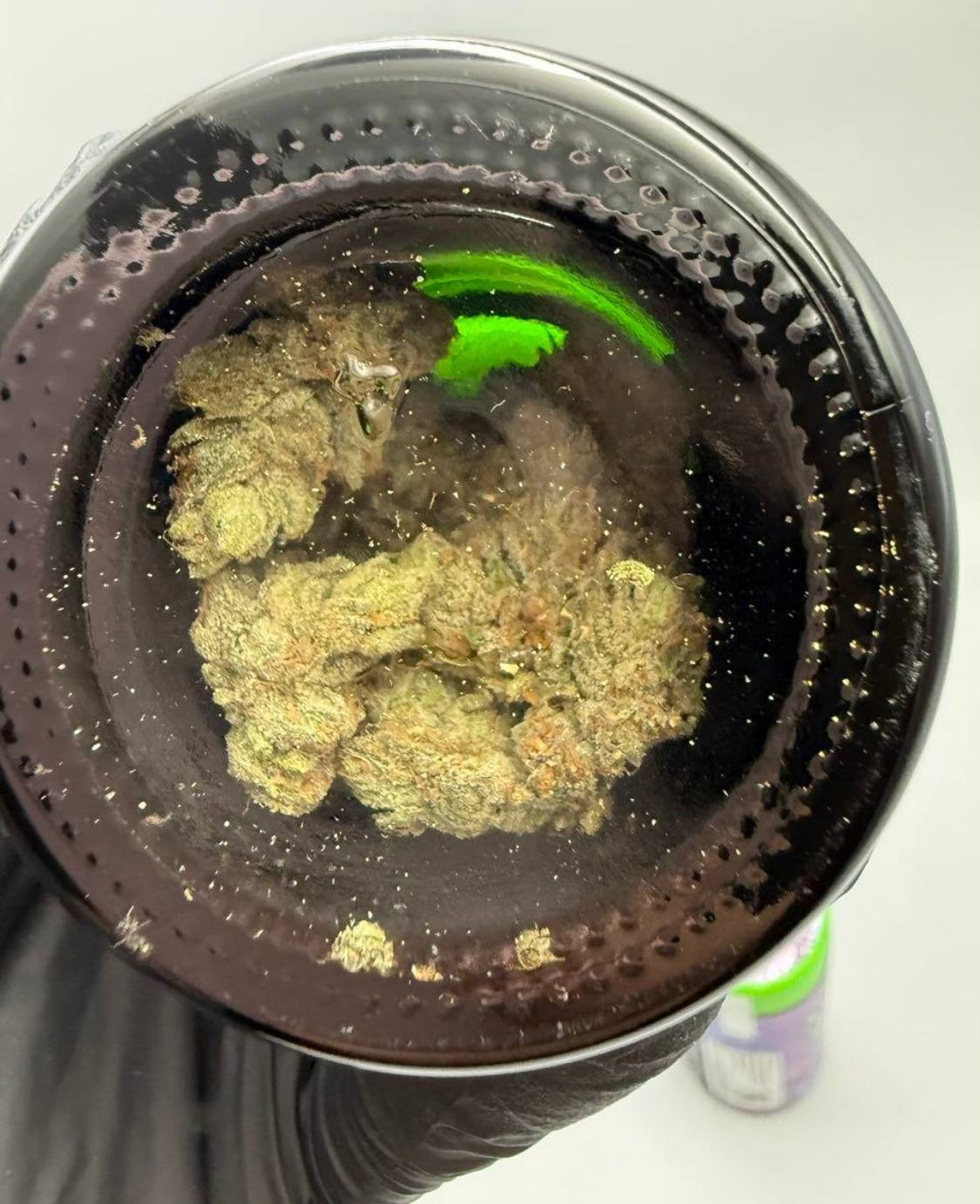




Alian Labs Connected Chrome 10g – Premium Device Experience Overview
Introduction to Alian Labs Connected Chrome 10g
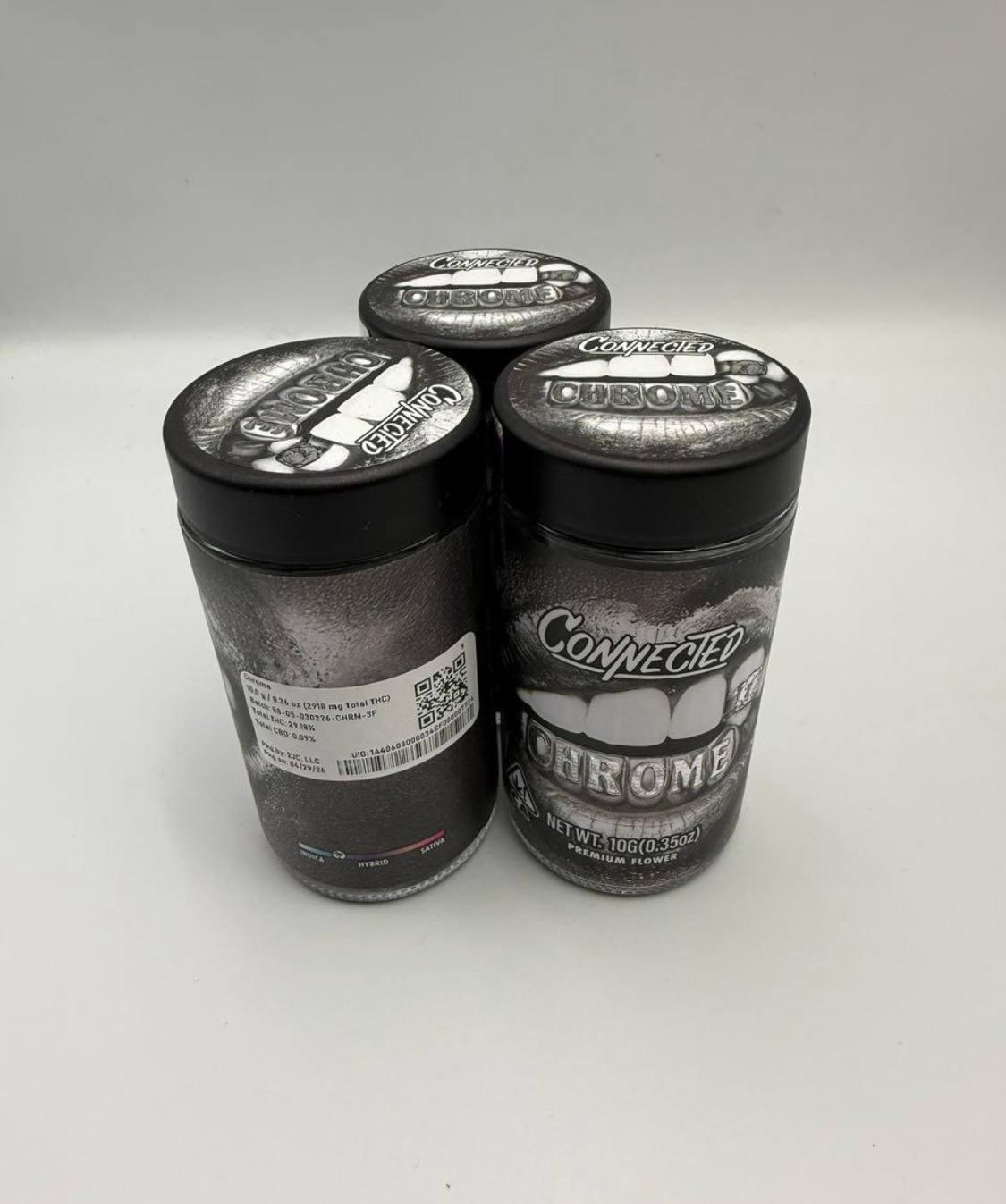
The Alian Labs Connected Chrome 10g is positioned within a modern category of advanced disposable-style devices designed with a focus on extended capacity, refined engineering, and digitally influenced functionality. It is often associated with high-capacity usage systems where consistency, hardware stability, and flavor retention are emphasized throughout the lifecycle of the device.
Moreover, the “Connected Chrome” identity suggests an emphasis on metallic aesthetics and integrated performance architecture, while the 10g designation reflects a significantly expanded internal capacity compared to smaller-format alternatives. Consequently, this device category is frequently discussed in relation to long-lasting output cycles and enhanced structural design approaches.
In addition, attention is often drawn to how the device balances form and function, where visual design elements are paired with internal system efficiency. As a result, the Alian Labs Connected Chrome 10g is commonly described in discussions surrounding premium disposable technology evolution.

Design Language and Build Aesthetics
The design of the Alian Labs Connected Chrome 10g is typically defined by a chrome-inspired exterior finish, which contributes to a reflective and modern visual identity. This finish is often associated with durability-focused coatings, and therefore a polished metallic impression is consistently maintained throughout the device body.
Furthermore, the structure is generally compact despite its high-capacity internal system. This balance between portability and extended functionality has been frequently highlighted in product discussions. Meanwhile, ergonomic shaping is integrated into the design so that handling remains straightforward and visually cohesive.
Additionally, branding elements are usually applied in a minimalistic format, allowing the chrome surface to remain dominant. Consequently, the device appearance aligns with contemporary trends in minimal industrial design, where simplicity and material finish are prioritized.
However, beyond aesthetics, structural reinforcement is also implied within the casing. The outer shell is often described as being engineered to protect internal components, which supports device longevity and stability during extended use cycles.
Internal Capacity and 10g Configuration
One of the most defining characteristics of the Alian Labs Connected Chrome 10g is its expanded internal capacity. The 10g configuration indicates a significantly larger reservoir system compared to standard disposable formats.
Moreover, this capacity is designed to support prolonged operational duration, which reduces the frequency of replacement cycles. Consequently, users who prefer extended-use devices often associate this category with improved convenience and sustained output consistency.
In addition, the internal chamber is typically structured to maintain distribution efficiency. The material containment system is engineered so that output remains relatively stable across extended periods. Therefore, degradation in performance is often minimized through controlled internal regulation.
Furthermore, this capacity expansion is not only about volume but also about maintaining equilibrium between consumption rate and output delivery. As a result, performance stability is frequently emphasized in discussions surrounding high-capacity disposable systems.
Meanwhile, the increased size of the internal reservoir is balanced with airflow calibration systems, which help regulate density and smoothness across usage cycles.
Chrome Technology and Material Integration
The “Chrome” aspect of the Alian Labs Connected Chrome 10g refers both to aesthetic finishing and symbolic performance refinement. Typically, chrome-inspired materials are associated with sleekness, reflective surfaces, and industrial-grade visual appeal.
Moreover, such finishing is often applied using coating techniques that enhance surface resistance. Consequently, fingerprint visibility and minor surface wear are frequently reduced, allowing the device to maintain a cleaner appearance over time.
Additionally, the chrome design language aligns with modern consumer expectations for premium device presentation. Therefore, visual identity becomes an important component of perceived value.
However, chrome finishing is not only cosmetic. In many cases, it is also associated with thermal stability and structural protection layers. As a result, the outer shell may contribute indirectly to internal system preservation.
Furthermore, the integration of chrome aesthetics with compact device architecture creates a distinct contrast between minimalism and technical sophistication.
Connectivity Features and Smart Integration Concepts
The term “Connected” within Alian Labs Connected Chrome 10g implies an added layer of technological integration. Although interpretations may vary across product discussions, connectivity features are generally associated with tracking systems, usage monitoring, or smart-device pairing concepts.
Moreover, such connectivity frameworks are increasingly incorporated into modern disposable ecosystems to provide users with data visibility and performance feedback. Consequently, usage patterns may be better understood through connected interfaces.
In addition, connectivity can support consistency in output regulation, where internal systems may be adjusted to maintain stable performance. Therefore, fluctuations in output are often minimized through adaptive control mechanisms.
Meanwhile, smart integration features are frequently designed to enhance user awareness of remaining capacity or system status. As a result, efficiency in usage management is improved over time.
However, the extent of connectivity varies depending on production versions and market segmentation. Therefore, not all units may present identical smart functionality layers.
Performance Consistency and Output Behavior
Performance consistency is one of the most emphasized aspects of the Alian Labs Connected Chrome 10g. The device is often described as maintaining steady output behavior across extended usage periods.
Moreover, internal regulation systems are typically implemented to balance intensity and smoothness. Consequently, output variations are reduced, and a more uniform experience is achieved.
Additionally, airflow calibration plays a significant role in shaping performance dynamics. When airflow pathways are properly optimized, resistance levels remain controlled, which contributes to smoother delivery cycles.
Furthermore, thermal distribution within the device is managed to prevent overheating or uneven performance degradation. As a result, long-duration stability is often associated with this product category.
However, environmental conditions such as temperature and storage environment can still influence performance behavior. Therefore, consistent conditions are generally associated with optimal output maintenance.
Flavor Retention and Sensory Profile Stability
Flavor retention is frequently highlighted as a core performance metric in high-capacity disposable systems such as the Alian Labs Connected Chrome 10g. The internal design is typically structured to preserve flavor integrity across extended usage cycles.
Moreover, material stabilization techniques are often applied to ensure that flavor degradation is minimized over time. Consequently, initial and later-stage output profiles tend to remain more consistent compared to lower-capacity devices.
In addition, controlled heating mechanisms contribute to balanced vaporization processes. Therefore, flavor notes are preserved more effectively across repeated usage intervals.
Meanwhile, the chrome casing and internal insulation systems may indirectly support flavor stability by maintaining controlled internal environments. As a result, external temperature variations are less likely to disrupt internal consistency.
However, prolonged usage still naturally leads to gradual changes in flavor intensity. Nevertheless, these changes are often reported as more gradual rather than abrupt.
Airflow Engineering and User Experience Flow
Airflow engineering within the Alian Labs Connected Chrome 10g is designed to support smooth draw resistance and controlled vapor movement. The internal airflow channels are typically structured to optimize balance between density and smoothness.
Moreover, airflow systems are often calibrated to prevent clogging or uneven distribution. Consequently, a more consistent delivery pathway is maintained across usage cycles.
Additionally, the device architecture generally supports automatic regulation of intake and output flow. Therefore, fluctuations in resistance are reduced significantly.
Furthermore, airflow design contributes to overall sensory satisfaction by shaping how output is perceived. As a result, smoother transitions between inhalation phases are commonly reported.
Meanwhile, airflow stability also supports internal temperature regulation, which further enhances consistency in performance behavior.
Battery Integration and Power Efficiency
The Alian Labs Connected Chrome 10g is commonly associated with integrated battery systems designed to support extended capacity output. Power efficiency is a critical component, especially given the 10g reservoir size.
Moreover, battery systems are typically engineered to align with consumption rates, ensuring that energy output matches internal usage demands. Consequently, depletion cycles are balanced with reservoir longevity.
In addition, power regulation circuits are often incorporated to prevent inconsistent voltage delivery. Therefore, output stability is maintained even as battery levels change.
Furthermore, charging or power sustainability approaches may vary depending on device iteration. Some configurations emphasize pre-charged disposable systems, while others integrate rechargeable support features.
However, regardless of configuration, energy distribution is designed to remain consistent throughout operational lifespan.
Durability and Structural Reliability
Durability is a key consideration in the Alian Labs Connected Chrome 10g, particularly due to its extended-use design framework. The structural casing is generally reinforced to withstand routine handling and transport conditions.
Moreover, internal components are secured within stabilized compartments, which reduces the likelihood of mechanical disruption. Consequently, device reliability is often maintained across longer durations.
Additionally, chrome coating contributes to surface resilience, which helps protect against minor abrasions and external wear. Therefore, visual integrity is preserved over time.
Furthermore, sealing systems are typically implemented to prevent leakage or internal contamination. As a result, operational safety and consistency are supported throughout usage cycles.
However, durability is still influenced by external handling conditions. Therefore, careful storage practices contribute significantly to long-term structural preservation.
User Experience Perspective and Market Positioning
From a market perspective, the Alian Labs Connected Chrome 10g is positioned within the premium high-capacity segment. It is often associated with users seeking extended usage cycles and stable performance output.
Moreover, the combination of chrome aesthetics, high-capacity design, and connected features creates a distinctive identity within its category. Consequently, it is frequently compared to other advanced disposable systems.
In addition, the emphasis on consistency and extended performance aligns with evolving consumer expectations for durability and efficiency. Therefore, the device is commonly placed within discussions of next-generation disposable technology.
Furthermore, its design approach reflects broader industry trends toward larger capacity systems with integrated performance control mechanisms.
However, market perception may vary depending on regional availability and product iteration differences.
Conclusion
The Alian Labs Connected Chrome 10g represents a convergence of high-capacity engineering, chrome-inspired aesthetics, and modern performance stabilization concepts. Its 10g configuration supports extended usage cycles, while its structural and airflow systems are designed to maintain consistency over time.
Moreover, the integration of connectivity concepts, durability-focused construction, and refined output regulation contributes to its positioning within a premium product category. Consequently, it is frequently described as a device that prioritizes longevity, stability, and design coherence.
In addition, while variations may exist across different versions, the overall identity remains centered on extended capacity and refined operational behavior. Therefore, the Alian Labs Connected Chrome 10g continues to be associated with evolving disposable technology standards and high-capacity system innovation.
Advanced Usage Stability and Extended Cycle Efficiency
Continuing from its core engineering profile, the Alian Labs Connected Chrome 10g is further defined by how efficiently it manages extended operational cycles. Over prolonged use, internal systems are designed to maintain equilibrium between output delivery and structural preservation.
Moreover, performance consistency is reinforced through layered regulation mechanisms. As usage continues, output behavior is expected to remain relatively stable rather than declining abruptly. Consequently, users experience a more gradual transition across the device lifespan.
In addition, extended cycle efficiency is achieved through synchronization between reservoir capacity and energy distribution. Therefore, the system avoids rapid depletion patterns that are often observed in lower-capacity alternatives.
Furthermore, material optimization inside the device contributes to reduced waste accumulation within internal channels. As a result, performance blockages are minimized over time.
However, real-world usage conditions such as frequency of activation and environmental exposure still influence long-term efficiency. Even so, the system is generally engineered to tolerate extended workloads.
Thermal Management and Heat Regulation System
Thermal control plays a crucial role in maintaining the stability of the Alian Labs Connected Chrome 10g. Since high-capacity output systems generate sustained energy cycles, internal heat regulation becomes essential.
Moreover, heat diffusion layers are typically incorporated within the structure to distribute thermal load evenly. Consequently, localized overheating is reduced significantly.
In addition, airflow interaction with thermal pathways supports natural cooling during operation. Therefore, the device is able to sustain longer sessions without performance distortion.
Furthermore, protective insulation layers are integrated to separate sensitive components from direct heat exposure. As a result, internal integrity is preserved even under extended usage.
Meanwhile, temperature consistency also contributes to flavor stability and output smoothness, reinforcing overall user experience quality.
Material Engineering and Structural Composition
The structural composition of the Alian Labs Connected Chrome 10g reflects a balance between durability and aesthetic refinement. Chrome-coated exteriors are typically combined with reinforced internal housing to create a multi-layer protection system.
Moreover, these materials are selected not only for appearance but also for functional resilience. Consequently, resistance to minor impact and surface wear is enhanced.
In addition, internal compartments are structured using stabilized frameworks that secure essential components in fixed positions. Therefore, movement-related damage is minimized during transport or handling.
Furthermore, sealing technologies are applied to ensure that internal reservoirs remain protected from external contamination. As a result, system cleanliness is maintained throughout the product lifecycle.
However, despite structural reinforcement, proper handling remains essential to preserve long-term integrity.
Output Density and Vapor Delivery Control
Output density is another defining characteristic of the Alian Labs Connected Chrome 10g. The device is engineered to provide controlled delivery that balances intensity with smoothness.
Moreover, vapor pathways are calibrated to regulate concentration levels during each activation. Consequently, output remains consistent rather than fluctuating unpredictably.
In addition, internal heating synchronization ensures that material conversion occurs evenly. Therefore, the resulting output maintains a stable profile across usage sessions.
Furthermore, density control mechanisms help prevent harsh transitions, which contributes to a smoother overall experience.
Meanwhile, consistent delivery also enhances predictability, allowing users to better anticipate performance behavior over time.

Intelligent Regulation and Adaptive Performance Flow
Adaptive performance systems are commonly associated with modern high-capacity devices such as the Alian Labs Connected Chrome 10g. These systems are designed to adjust internal parameters based on usage patterns.
Moreover, adaptive regulation helps maintain equilibrium between energy output and reservoir consumption. Consequently, efficiency is improved across extended cycles.
In addition, dynamic adjustments may be applied to airflow and heating levels depending on operational demand. Therefore, the device can respond more effectively to continuous usage conditions.
Furthermore, intelligent regulation reduces strain on internal components, which supports longer operational lifespan.
However, adaptive systems function within predefined limits, meaning external usage behavior still plays a significant role in overall performance outcomes.
Longevity Optimization and Lifecycle Management
Longevity optimization is a central design principle behind the Alian Labs Connected Chrome 10g. Every component is typically structured to support extended lifecycle performance.
Moreover, reservoir management systems are designed to distribute usage evenly over time. Consequently, depletion occurs in a controlled manner rather than sudden drops in output availability.
In addition, energy efficiency contributes directly to extended operational lifespan. Therefore, battery and reservoir systems work in tandem to maximize duration.
Furthermore, internal safeguards reduce stress on key components during repetitive activation cycles. As a result, degradation is slowed compared to conventional designs.
Meanwhile, lifecycle management also includes structural reinforcement that preserves both internal and external integrity across long-term use.
Sensory Smoothness and User Flow Experience
Sensory smoothness is frequently emphasized in high-capacity devices, and the Alian Labs Connected Chrome 10g follows this principle through controlled output delivery.
Moreover, airflow balancing ensures that each activation feels consistent and predictable. Consequently, variations in resistance are minimized.
In addition, vapor conditioning systems help refine output texture, contributing to a smoother sensory experience.
Furthermore, internal stabilization mechanisms reduce harshness during prolonged sessions, which enhances overall usability.
Meanwhile, smooth user flow is reinforced by ergonomic design, allowing comfortable handling during repeated usage cycles.
Charging Behavior and Energy Cycle Synchronization
If equipped with rechargeable functionality, the Alian Labs Connected Chrome 10g typically integrates synchronized energy cycles to support consistent performance.
Moreover, charging systems are designed to align with internal consumption rates. Consequently, energy delivery remains balanced throughout use.
In addition, regulated charging pathways help protect the battery from overloading or irregular voltage input. Therefore, energy stability is preserved.
Furthermore, power efficiency is optimized so that energy usage corresponds directly to operational demand.
However, charging behavior may differ depending on specific device configurations, as variations exist across production versions.
Safety Mechanisms and Internal Protection Layers
Safety integration is an essential aspect of the Alian Labs Connected Chrome 10g design philosophy. Multiple protective layers are generally implemented to ensure stable operation.
Moreover, internal circuits are often shielded against overheating and voltage irregularities. Consequently, risk of malfunction is significantly reduced.
In addition, reservoir containment systems help prevent leakage or internal contamination. Therefore, structural safety is reinforced.
Furthermore, automatic cut-off mechanisms may be included to regulate prolonged activation periods. As a result, device stress is minimized during extended use.
Meanwhile, protective engineering contributes not only to safety but also to long-term performance stability.
Market Relevance and Competitive Position
Within its category, the Alian Labs Connected Chrome 10g is positioned as a high-capacity premium device that emphasizes longevity and structural refinement.
Moreover, its combination of chrome aesthetics and extended reservoir capacity places it within a distinct segment of modern disposable innovation. Consequently, it is often compared with other large-format devices in similar markets.
In addition, the integration of adaptive performance features enhances its competitive positioning. Therefore, it appeals to users seeking consistency and extended usability.
Furthermore, market relevance is strengthened by evolving consumer demand for longer-lasting and more efficient systems.
However, availability and perception may vary depending on regional distribution and product variations.
Extended Performance Summary
As usage progresses, the Alian Labs Connected Chrome 10g continues to demonstrate a focus on stability, controlled output, and structural endurance. Its internal systems are designed to maintain consistent performance across extended cycles.
Moreover, the combination of airflow engineering, thermal regulation, and adaptive control contributes to a unified operational experience. Consequently, performance fluctuations are minimized.
In addition, the device structure supports long-term usability through reinforced materials and optimized internal layouts. Therefore, durability remains a key advantage.
Furthermore, its high-capacity design ensures reduced replacement frequency, which aligns with convenience-focused usage expectations.
Final Continuation Outlook
Ultimately, the Alian Labs Connected Chrome 10g continues to represent an evolution in high-capacity disposable device engineering. Its design integrates performance stability, aesthetic refinement, and extended lifecycle optimization into a single framework.
Moreover, each system layer—from airflow to energy regulation—works together to maintain consistent output behavior. Consequently, the overall experience is shaped by balance rather than fluctuation.
In addition, ongoing improvements in material science and adaptive regulation continue to influence how such devices evolve in future iterations. Therefore, this category remains dynamic and innovation-driven.
As a result, the Alian Labs Connected Chrome 10g stands as a structured example of how modern disposable systems are increasingly engineered for endurance, consistency, and refined user experience across extended usage cycles.







Reviews
There are no reviews yet.