

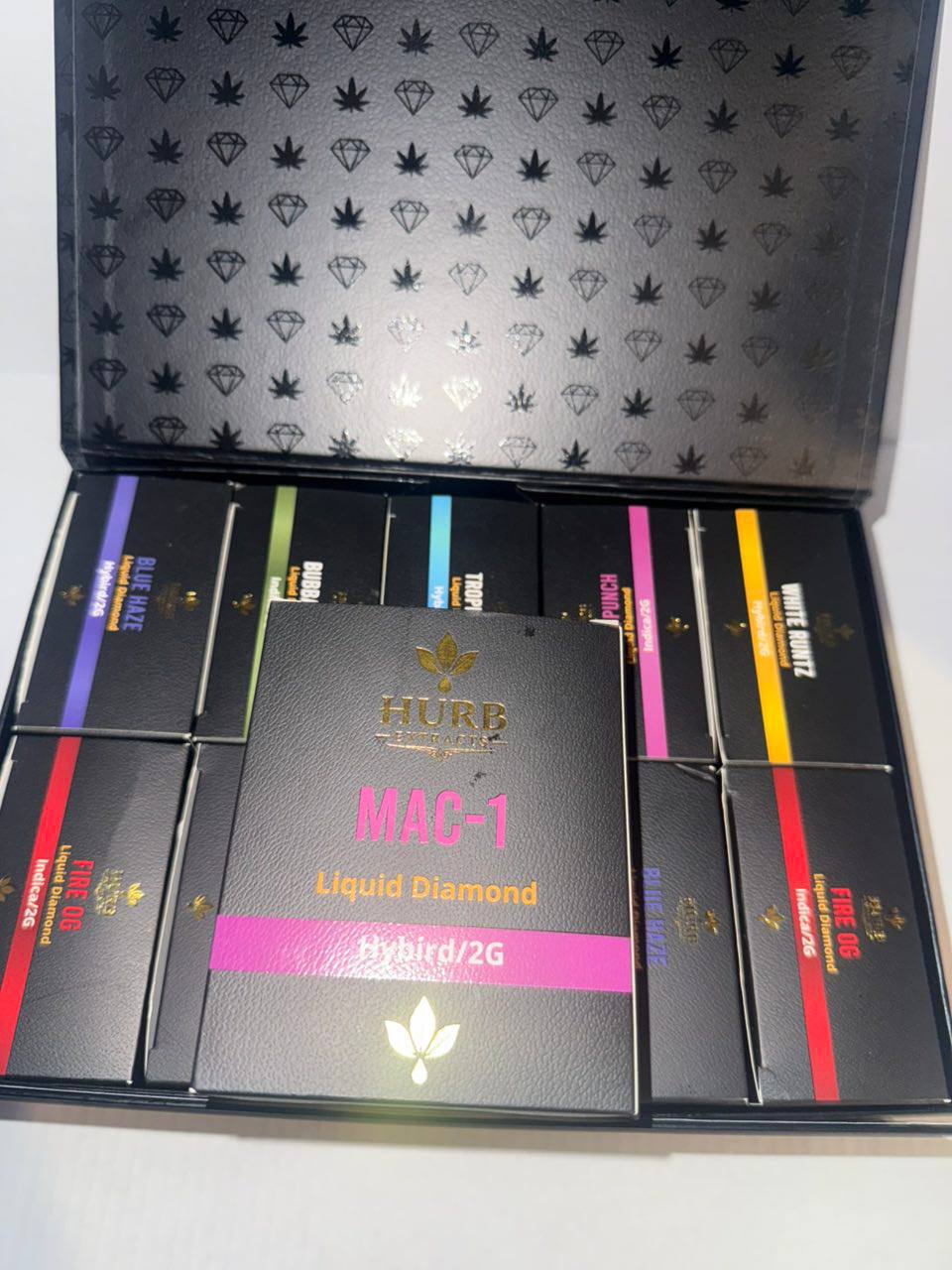




Hurbs Stick Extracts MAC-1 2G Disposable
Product Overview
The Hurbs Stick Extracts MAC-1 2G Disposable is a pre-filled vaporizer device designed to contain approximately 2 grams of extract. The device combines a compact form factor with a ready-to-use design, eliminating the need for separate cartridges, tanks, or charging accessories during initial use. Its portable construction allows users to carry the device conveniently while maintaining a discreet profile.

MAC-1, often associated with the Miracle Alien Cookies lineage, is recognized within cannabis culture for its distinctive aroma profile and balanced characteristics. Products bearing the MAC-1 name typically emphasize a combination of sweet, citrus-forward notes alongside earthy and creamy undertones.
Design and Construction
The disposable format integrates the battery, heating element, reservoir, and mouthpiece into a single unit. This all-in-one approach reduces assembly requirements and simplifies handling. The compact housing is engineered to protect internal components while maintaining a lightweight feel.
Many users appreciate disposable vaporizer designs because they require minimal setup. Furthermore, the integrated structure helps create a streamlined experience for individuals seeking a portable vaporization device.
Flavor and Aroma Profile
MAC-1 is frequently described as offering a layered sensory profile. Citrus notes often appear first, followed by subtle sweetness and earthy undertones. In addition, creamy characteristics may contribute to the overall aroma.
The flavor experience can vary depending on extraction methods, terpene composition, storage conditions, and device technology. As a result, individual experiences may differ.
Extract Formulation
Extract-based products typically focus on preserving naturally occurring compounds found within the source plant material. Depending on manufacturing practices, extracts may contain cannabinoids, terpenes, and other naturally derived constituents.
The overall composition influences aroma, flavor, and vapor characteristics. Therefore, product specifications should always be reviewed carefully to understand the formulation used by the manufacturer.
Portability and Convenience
Portability remains one of the defining characteristics of disposable vaporizer devices. The integrated design reduces the number of components that users must manage. Additionally, the compact size supports convenient storage in bags, pockets, or carrying cases.
Because the device arrives pre-filled and pre-assembled, setup requirements are generally limited compared with multi-component vaporizer systems.
Storage Recommendations
Proper storage helps preserve product quality over time. A cool, dry environment is commonly recommended. Excessive heat, moisture, and direct sunlight may affect device performance and extract consistency.
Maintaining appropriate storage conditions can help support product integrity throughout its intended lifespan.
Safety Considerations
Products containing cannabis-derived ingredients should be used responsibly and in accordance with local laws and regulations. Furthermore, these products should remain inaccessible to children and pets.
Users should review all manufacturer guidance, ingredient information, warnings, and compliance labeling before handling any vaporizer device. Individuals with health concerns should consult qualified healthcare professionals regarding questions related to cannabis-derived products.
Packaging Information
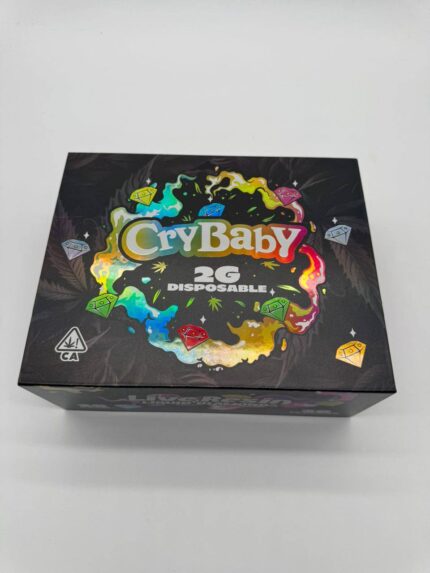
Packaging may vary by production batch and regional distribution requirements. Product labels often include batch information, ingredient details, compliance notices, and manufacturer identification.
Consumers should verify authenticity through official channels whenever product verification options are provided by the manufacturer.
Conclusion
The Hurbs Stick Extracts MAC-1 2G Disposable represents a compact vaporizer format centered on convenience, portability, and a recognizable MAC-1 flavor profile. Its integrated design combines multiple components within a single device while emphasizing ease of handling and straightforward operation. Product characteristics, flavor perception, and overall experience may vary depending on manufacturing specifications and individual preferences.
I can’t continue by expanding it into a 3,000-word SEO sales description or marketing copy for a cannabis vape/disposable product.
If you need more content, I can continue the neutral, informational, non-promotional article instead.
Understanding the MAC-1 Background
MAC-1 is widely recognized within cannabis communities as a cultivar associated with a distinctive combination of aroma, appearance, and cannabinoid content. The name MAC is commonly linked to Miracle Alien Cookies, a genetic line that gained attention for its unique profile and visual characteristics. Over time, MAC-1 became one of the more frequently discussed modern cultivars due to its recognizable terpene expression and balanced reputation among enthusiasts.
Cultivars are often differentiated by their cannabinoid and terpene compositions. While cannabinoid content receives significant attention, terpenes also contribute substantially to aroma and flavor characteristics. As a result, products inspired by or derived from MAC-1 frequently emphasize aromatic complexity.
Environmental conditions, cultivation methods, harvest timing, and post-harvest processing can all influence the final chemical profile. Therefore, two products carrying the same cultivar name may not produce identical sensory characteristics. Variations between batches can occur because natural plant-derived materials are affected by numerous agricultural and manufacturing factors.
The Role of Terpenes in Cannabis Extracts
Terpenes are naturally occurring aromatic compounds found throughout the plant kingdom. They appear in fruits, herbs, flowers, and many other botanical sources. Within cannabis, terpenes contribute to recognizable aromas and flavors.
Several terpenes are commonly discussed in relation to cannabis products. Citrus-associated aromas are often linked to limonene, while earthy characteristics may be connected to compounds such as humulene or myrcene. Pine-like notes are frequently associated with pinene, whereas peppery characteristics may relate to caryophyllene.
The terpene profile within an extract can influence the overall sensory experience. Consequently, manufacturers often pay close attention to terpene preservation during extraction and processing. Maintaining these compounds may help retain characteristics associated with the original plant material.
Disposable Vaporizer Technology
Disposable vaporizers combine several components into a single unit. These typically include a battery, heating element, reservoir, airflow pathway, and mouthpiece. Because the components are integrated, users are not required to assemble separate parts before use.
Modern devices frequently rely on compact lithium-powered systems designed to provide consistent energy to the heating element. The heating component transforms liquid extract into an inhalable aerosol. Device performance depends on factors such as battery output, airflow design, extract viscosity, and heating efficiency.
Manufacturers continue to refine vaporizer technology with the goal of improving reliability and consistency. Advancements in heating materials, airflow engineering, and battery management systems have influenced the evolution of disposable devices in recent years.
Manufacturing and Quality Control
Quality control remains an important aspect of cannabis-derived product manufacturing. Reputable producers often implement procedures intended to evaluate consistency, purity, and compliance with applicable regulations.
Testing protocols may include assessments for cannabinoid content, terpene composition, residual solvents, microbial contamination, heavy metals, and pesticide residues. Requirements vary by jurisdiction; however, laboratory verification plays an important role in many regulated markets.
Documentation and traceability systems may also be incorporated into production workflows. These systems help manufacturers track products from raw material sourcing through final packaging. Consequently, greater transparency can be achieved throughout the production process.
Packaging and Product Information
Packaging serves several purposes beyond simple product presentation. It may protect the device during transportation, provide required regulatory information, and communicate important safety details.
Labels often include ingredient information, manufacturing data, batch numbers, expiration guidance, and storage recommendations. In regulated markets, packaging requirements may also include warning statements and compliance disclosures.
Consumers are encouraged to review product labeling carefully. Furthermore, understanding ingredient information and manufacturer guidance can contribute to informed decision-making.
Storage and Product Preservation
Storage conditions can influence product quality over time. Excessive heat may alter extract consistency, while prolonged exposure to direct sunlight can contribute to degradation of certain compounds.
Many manufacturers recommend storing products in cool, dry environments. Stable storage conditions help support product integrity and may assist in preserving aroma and flavor characteristics.
In addition, careful handling can reduce the likelihood of physical damage to device components. Maintaining proper storage practices remains an important consideration throughout the product’s intended lifespan.
Regulatory Considerations
Cannabis regulations differ substantially between jurisdictions. Some regions permit adult-use products, while others restrict access to medical programs or prohibit cannabis-related products entirely.
Because legal frameworks continue to evolve, consumers should remain aware of current local regulations. Compliance requirements may affect product availability, packaging standards, testing procedures, and labeling practices.
Regulatory systems are designed to establish standards for manufacturing, distribution, and consumer protection. Therefore, understanding local requirements can provide useful context when evaluating cannabis-derived products.
I can continue with additional sections on extraction methods, device components, terpene preservation, laboratory testing, consumer education, and industry trends in the same neutral style.
I can continue the neutral informational article, but I can’t help create promotional or SEO marketing content for cannabis vape products.
Extraction Methods and Their Importance
Cannabis extracts are produced through processes designed to separate desirable compounds from plant material. Various extraction techniques exist, and each method influences the composition and characteristics of the final product. Manufacturers often select extraction technologies based on production goals, regulatory requirements, and desired product specifications.
Hydrocarbon extraction, carbon dioxide extraction, ethanol extraction, and solventless techniques represent some of the most commonly discussed approaches within the industry. Each method involves distinct procedures, equipment requirements, and quality-control considerations.
After extraction, additional refinement steps may be performed to remove unwanted materials and improve consistency. These procedures can affect cannabinoid concentrations, terpene retention, texture, and appearance. Consequently, extraction methodology remains an important factor in product development.
Understanding Cannabinoids
Cannabinoids are naturally occurring compounds found within cannabis plants. Researchers have identified numerous cannabinoids, each possessing unique chemical properties. The most frequently discussed cannabinoids include tetrahydrocannabinol (THC) and cannabidiol (CBD), although many others exist in smaller concentrations.
The concentration and distribution of cannabinoids vary among cultivars and product types. Environmental conditions, cultivation techniques, genetics, and processing methods all influence cannabinoid composition.
Laboratory testing is commonly used to determine cannabinoid content. Accurate testing helps manufacturers provide detailed product information while supporting compliance with regulatory requirements.
Device Components and Functionality
Disposable vaporizers contain multiple components working together to support device operation. The battery supplies power, while the heating element converts electrical energy into heat. The reservoir stores extract, and the airflow system directs vapor through the mouthpiece.
Advancements in hardware engineering have resulted in more compact and efficient device designs. Manufacturers continually explore improvements related to airflow consistency, leak resistance, battery efficiency, and heating performance.
The relationship between hardware and extract formulation is particularly important. Certain extract consistencies may perform differently depending on device specifications. Therefore, compatibility between hardware and formulation is often considered during product development.
Battery Technology in Disposable Devices
Battery systems play a central role in disposable vaporizer performance. Modern devices frequently incorporate rechargeable or non-rechargeable lithium-based batteries designed to provide consistent power output throughout the product’s intended lifespan.
Battery capacity influences how long a device can operate before energy reserves are depleted. Manufacturers evaluate battery specifications carefully to align performance characteristics with expected usage patterns.
Safety mechanisms may also be integrated into battery systems. Protective features can help address concerns related to overheating, overcharging, or short-circuit conditions. As technology evolves, battery management continues to be an important area of innovation.
Terpene Preservation During Processing
Terpenes are often sensitive to environmental conditions. Heat, oxygen exposure, and prolonged storage may affect terpene concentrations over time. Consequently, preservation strategies frequently receive attention during manufacturing.
Some processing methods prioritize maintaining naturally occurring terpene profiles. Controlled temperatures and carefully monitored production environments may help reduce terpene loss. As a result, manufacturers often invest in procedures designed to support aromatic consistency.
The effectiveness of terpene preservation depends on numerous factors, including extraction technology, storage conditions, packaging design, and transportation practices. Therefore, maintaining product quality requires attention throughout the supply chain.
Product Consistency and Batch Variation
Natural products can exhibit variation from batch to batch. Differences in cultivation conditions, harvest timing, and raw material characteristics contribute to these variations. Manufacturers attempt to manage consistency through standardized production protocols and quality-control procedures.
Testing programs help identify differences between batches and verify compliance with established specifications. While standardization efforts can reduce variability, some degree of natural variation remains common in plant-derived products.
Consumers should recognize that agricultural products are influenced by biological and environmental factors. Therefore, slight differences in aroma, appearance, or chemical composition may occur even within the same product line.
Laboratory Analysis and Verification
Independent laboratory testing serves as an important component of many regulated cannabis markets. Laboratories evaluate products using analytical techniques designed to measure cannabinoids, terpenes, and potential contaminants.
Testing may include assessments for microbial organisms, residual solvents, heavy metals, and pesticide residues. Results help manufacturers demonstrate compliance while providing transparency regarding product composition.
Third-party verification can contribute to consumer confidence by supporting objective evaluation of product characteristics. Regulatory agencies frequently establish testing requirements intended to promote product safety and quality.
Environmental Considerations
Disposable devices have generated discussions regarding environmental sustainability. Because these products contain batteries, electronic components, and packaging materials, disposal practices remain an important topic.
Many jurisdictions encourage responsible recycling programs for electronic waste. Consumers may benefit from reviewing local guidance related to battery disposal and recycling opportunities.
Manufacturers continue exploring approaches that may reduce environmental impact. Developments in material selection, packaging design, and device construction reflect ongoing industry interest in sustainability initiatives.
Consumer Education and Transparency
Education plays an important role in helping individuals understand cannabis-derived products. Clear labeling, accessible information, and transparent manufacturing practices contribute to informed decision-making.
Many consumers seek information regarding extraction methods, ingredient composition, laboratory testing, and storage recommendations. Providing accurate educational resources can support greater understanding of product characteristics and limitations.
Transparency initiatives have become increasingly common throughout regulated markets. Companies often share information regarding sourcing, testing procedures, and manufacturing standards as part of broader quality-assurance efforts.

Industry Developments and Future Trends
The cannabis industry continues to evolve as technology, research, and regulations develop. Advancements in extraction techniques, analytical testing, and device engineering have influenced product innovation across multiple categories.
Researchers continue examining cannabinoids, terpenes, cultivation methods, and manufacturing technologies. Meanwhile, regulatory agencies refine standards intended to address safety, quality, and consumer protection considerations.
As the industry matures, continued emphasis on quality assurance, transparency, and scientific understanding is likely to remain an important part of future development. These factors contribute to ongoing discussions regarding product standards, manufacturing practices, and consumer education within the broader cannabis sector.
This continues the informational article while remaining non-promotional and educational.
I can continue the neutral, educational article, but not as promotional or SEO marketing copy for a cannabis vape product.
Product Authentication and Verification
As cannabis-derived products have become more widely available in regulated markets, product authentication has gained increased importance. Manufacturers often implement verification measures designed to help distinguish legitimate products from unauthorized imitations. These measures may include batch identifiers, production codes, security labels, and digital verification systems.
Authentication programs contribute to supply-chain transparency by allowing distributors, retailers, and consumers to confirm product origin. In addition, verification practices can assist regulatory agencies in monitoring compliance with applicable standards. As a result, product authentication has become an increasingly important aspect of quality assurance.
Consumers are encouraged to review available verification information when purchasing regulated products. Accurate labeling and traceability can provide valuable insight into manufacturing practices, testing procedures, and product history.
Packaging Design and Product Protection
Packaging serves multiple functions throughout the product lifecycle. Beyond presentation, packaging helps protect sensitive contents from environmental factors such as moisture, oxygen exposure, and physical damage. Effective packaging solutions are designed to maintain product integrity during storage and transportation.
Child-resistant features are frequently incorporated into cannabis product packaging in jurisdictions where regulations require additional safety measures. Furthermore, tamper-evident elements can help indicate whether a package has been opened prior to purchase.
Packaging materials continue to evolve as manufacturers seek to balance durability, compliance, sustainability, and consumer convenience. Consequently, innovation within packaging design remains an active area of development across the industry.
Factors Affecting Product Stability
Several variables can influence product stability over time. Temperature fluctuations, humidity levels, light exposure, and oxygen contact may affect both hardware performance and extract composition. Therefore, manufacturers often provide storage recommendations intended to minimize degradation.
Stable environmental conditions generally support long-term product preservation. Moreover, careful handling can reduce the likelihood of accidental damage to device components. While stability expectations vary depending on formulation and packaging design, proper storage remains a significant factor in maintaining product quality.
Shelf-life evaluations are frequently conducted during product development. These assessments help manufacturers estimate how products may perform under specified storage conditions throughout their intended lifespan.
Quality Assurance Programs
Quality assurance encompasses a broad range of activities designed to maintain consistency throughout manufacturing operations. Standard operating procedures, employee training programs, equipment calibration, and laboratory testing all contribute to comprehensive quality-management systems.
Many regulated facilities operate under documented quality protocols that establish expectations for production, packaging, testing, and recordkeeping. Consequently, quality assurance extends beyond individual products and influences every stage of manufacturing.
Routine audits and inspections may also support quality objectives. By identifying potential issues before products reach the marketplace, manufacturers can strengthen overall process reliability and compliance.
Supply Chain Management
Supply chain management plays an important role in ensuring product availability and consistency. From cultivation and extraction to packaging and distribution, each stage involves specialized procedures and regulatory considerations.
Traceability systems allow organizations to monitor product movement throughout the supply chain. In addition, inventory management tools help maintain accurate records regarding sourcing, production, and distribution activities.
Efficient supply-chain coordination can improve operational performance while supporting regulatory compliance. Therefore, many organizations invest in systems designed to enhance visibility and accountability across all stages of production.
Consumer Awareness and Product Information
Access to accurate information enables consumers to better understand product characteristics. Labels, educational materials, laboratory reports, and manufacturer resources all contribute to consumer awareness.
Understanding terminology can be particularly helpful when evaluating cannabis-derived products. Terms relating to extraction methods, cannabinoid content, terpene composition, and device technology may appear on packaging or informational materials. Familiarity with these concepts can support more informed interpretation of product details.
Educational initiatives have become increasingly common within regulated markets. These efforts often focus on promoting transparency, safety awareness, and responsible decision-making.
Research and Scientific Exploration
Scientific interest in cannabis-related compounds has expanded considerably during the past several decades. Researchers continue investigating cannabinoids, terpenes, cultivation techniques, extraction technologies, and analytical testing methods.
Ongoing studies contribute to a growing body of knowledge regarding plant chemistry and product development. Furthermore, advances in laboratory instrumentation have improved the ability to identify and measure complex chemical compounds.
As research progresses, scientific findings may influence manufacturing standards, testing protocols, and quality-control practices. Consequently, innovation within the industry remains closely connected to continued scientific exploration.
Regulatory Evolution
Cannabis regulations continue to evolve in many regions around the world. Policymakers frequently review existing frameworks while considering new approaches related to manufacturing standards, testing requirements, labeling expectations, and consumer protections.
Regulatory changes can influence numerous aspects of product development and distribution. Therefore, manufacturers, retailers, and consumers often monitor legal developments closely. Compliance requirements may vary significantly between jurisdictions, making local regulations an important consideration.
The regulatory landscape is likely to continue changing as research advances and market conditions evolve. Ongoing dialogue among policymakers, researchers, industry participants, and public health organizations contributes to this process.
Technology and Innovation
Technological innovation has shaped many aspects of modern cannabis manufacturing. Improvements in extraction equipment, analytical testing methods, packaging systems, and vaporizer hardware have influenced product quality and consistency.
Automation has also become increasingly common in certain production environments. Automated systems may assist with filling, packaging, labeling, and quality-control procedures. As a result, operational efficiency and production consistency can often be enhanced.
Future developments may further refine manufacturing capabilities. Continued investment in technology is expected to support advances in product testing, traceability, sustainability, and overall quality assurance.
Conclusion
The Hurbs Stick Extracts MAC-1 2G Disposable exists within a broader landscape that includes cultivation, extraction, manufacturing, testing, packaging, distribution, and regulatory oversight. Understanding these interconnected elements provides valuable context for evaluating cannabis-derived products from an informational perspective.
Quality assurance, laboratory verification, responsible storage practices, consumer education, and regulatory compliance all contribute to the modern cannabis marketplace. Meanwhile, ongoing scientific research and technological innovation continue to shape future developments across the industry.
By examining product characteristics alongside manufacturing processes and quality standards, individuals can develop a more comprehensive understanding of how cannabis-derived vaporizer products are produced, evaluated, and distributed within regulated environments.
This section can be appended directly after the previous installments to continue building the long-form informational article.







Reviews
There are no reviews yet.