



Zetti Boost 2G Disposable: A Modern Perspective on a High-Capacity Disposable Device
Introduction to the Zetti Boost 2G Disposable Experience
The Zetti Boost 2G Disposable is often positioned within the modern landscape of compact, high-capacity disposable devices designed for convenience-oriented users. In recent years, disposable formats have been refined significantly, and therefore a balance between portability, performance, and consistency has been increasingly prioritized. Moreover, devices in the 2-gram category have been associated with extended usage duration, which has contributed to their growing visibility in competitive markets.
Although many disposable devices share similar structural concepts, differentiation is frequently achieved through design optimization, airflow engineering, and internal component calibration. As a result, the Zetti Boost 2G Disposable is generally discussed in relation to efficiency, output stability, and ease of interaction. In addition, its formulation approach and hardware integration are often highlighted as defining characteristics within its category.
Design Philosophy and Structural Build Quality
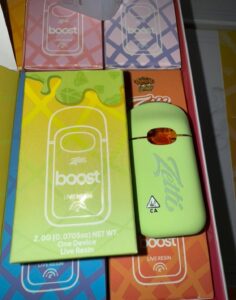
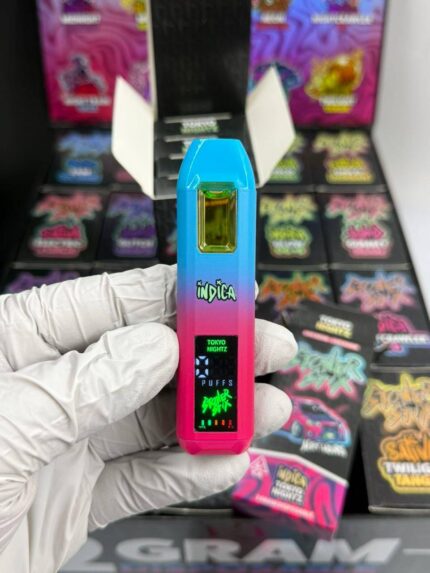
The design philosophy behind the Zetti Boost 2G Disposable is centered on compact usability paired with extended capacity. A streamlined exterior is commonly implemented so that portability is maintained without compromising internal storage volume. Furthermore, ergonomic shaping is typically incorporated to allow a more natural handheld feel during use.
Durability is also considered a key factor in disposable device construction. The outer casing is usually reinforced to reduce vulnerability to minor impacts or pressure changes. Consequently, the internal system remains protected throughout typical usage cycles. In many cases, a sealed-body architecture is applied, and therefore external contamination risks are reduced while internal consistency is maintained.
Additionally, visual detailing is often kept minimalistic. This approach not only enhances aesthetic appeal but also supports a more universal design language that aligns with modern disposable product trends. While simplicity is emphasized, subtle branding elements are frequently integrated to preserve product identity.
Internal Mechanism and Performance Consistency
Performance consistency is one of the most frequently discussed attributes of devices in the Zetti Boost 2G Disposable category. Typically, a pre-calibrated internal mechanism is utilized so that output delivery remains steady across the device lifespan. As a result, fluctuations in performance are generally minimized.
The heating system is often engineered to ensure even distribution of energy across the material chamber. Consequently, smoother activation cycles are achieved, and unnecessary strain on internal components is reduced. In many designs, airflow channels are also optimized so that resistance levels are balanced rather than overly restrictive or excessively open.
Moreover, output regulation systems are commonly integrated. These systems help maintain a consistent experience even when the device is nearing depletion. Therefore, a more uniform progression from initial activation to final usage stages is usually observed.
Capacity and Usage Longevity
A defining feature of the Zetti Boost 2G Disposable is its 2-gram capacity configuration. This capacity range is generally associated with extended usability compared to lower-volume disposable units. As a result, fewer replacements are required over a given period of time, which contributes to its appeal among users who prioritize longevity.
In addition, the larger reservoir is often paired with optimized consumption rates. Therefore, depletion is managed in a controlled manner rather than occurring rapidly. However, actual usage duration may still vary depending on activation frequency and individual interaction patterns.
While extended capacity is beneficial, it is also balanced with efficiency considerations. Consequently, output regulation systems are frequently employed to ensure that material is utilized consistently throughout the device lifecycle.
Flavor Engineering and Sensory Profile Development
Flavor engineering within disposable devices such as the Zetti Boost 2G Disposable is typically approached through layered formulation techniques. These techniques are designed to preserve flavor clarity while also enhancing depth and richness. As a result, multiple sensory notes may be perceived during activation.
In many cases, initial flavor perception is structured to be immediate and noticeable. Subsequently, secondary flavor notes may emerge, creating a more dynamic sensory progression. Furthermore, aftertaste stability is often refined so that lingering profiles remain smooth rather than harsh or abrupt.
Although flavor perception is subjective, formulation consistency is generally prioritized so that each activation cycle produces a similar experience. Therefore, variation between early and later usage stages is minimized.
Airflow System and Draw Resistance Balance
Airflow design plays a critical role in shaping the overall interaction experience of the Zetti Boost 2G Disposable. A balanced airflow system is commonly integrated so that draw resistance remains neither too tight nor too loose. Consequently, smoother inhalation cycles are achieved.
Additionally, internal channel structuring is often engineered to reduce turbulence. As a result, airflow remains more stable during activation, which supports consistent output delivery. In many modern designs, micro-adjustments in airflow pathways are introduced so that pressure distribution is optimized.
Furthermore, condensation control features may also be included. Therefore, internal buildup is reduced, and long-term performance stability is supported. Although these systems vary by model, the general objective remains focused on maintaining a clean and uninterrupted airflow experience.
Battery Efficiency and Energy Management
Battery efficiency is a central component of disposable device functionality, and the Zetti Boost 2G Disposable is typically associated with pre-charged energy systems designed for full-cycle support. Moreover, energy output is generally calibrated to align with the device’s capacity and consumption rate.
In many cases, voltage regulation systems are implemented so that energy delivery remains stable across different usage stages. As a result, performance degradation is often minimized as the battery approaches depletion. Additionally, energy conservation mechanisms may be integrated to prevent unnecessary power loss during idle periods.
Although rechargeability is not commonly associated with disposable formats, efficiency optimization ensures that available energy is utilized effectively throughout the device lifespan. Therefore, consistent performance is maintained without requiring external intervention.
Material Composition and Internal Formulation Stability
The internal composition associated with devices in this category is often developed through controlled formulation processes. Stability is prioritized so that separation or degradation does not occur during storage or usage cycles. Consequently, consistency in output is maintained from the first activation onward.
Furthermore, viscosity balance is frequently adjusted so that material flow aligns with heating system capabilities. As a result, clogging risks are reduced while vaporization efficiency is improved. In addition, filtration components may be included to support purity and smoothness during operation.
Although formulations may vary across production batches, quality control systems are generally applied to maintain uniform standards. Therefore, variability is minimized and product reliability is reinforced.
User Interaction and Operational Simplicity
One of the defining characteristics of disposable devices such as the Zetti Boost 2G Disposable is operational simplicity. A draw-activated mechanism is commonly implemented, and therefore external buttons or complex settings are not typically required. As a result, interaction is streamlined.
Moreover, initialization is generally immediate once the device is activated. Consequently, accessibility is enhanced for users who prefer straightforward functionality. In addition, the absence of manual configuration reduces the likelihood of operational errors.
Although simplicity is prioritized, performance tuning remains embedded within the internal system. Therefore, ease of use does not compromise output consistency or structural efficiency.
Portability and Everyday Carry Convenience
Portability is frequently emphasized in the design of the Zetti Boost 2G Disposable. A compact form factor allows it to be carried easily in pockets, bags, or small compartments. Furthermore, lightweight construction contributes to reduced carrying burden.
In addition, discreet design principles are often applied so that the device does not draw unnecessary attention during transport. Consequently, it can be integrated into daily routines with minimal inconvenience. While portability is a primary advantage, durability ensures that mobility does not compromise structural integrity.
Heat Management and Device Stability
Thermal management systems are often integrated into disposable devices to regulate internal temperature levels. In the case of the Zetti Boost 2G Disposable, heat distribution is typically controlled so that overheating is avoided during extended usage cycles. As a result, device stability is preserved.
Furthermore, internal components are generally positioned to reduce heat concentration in a single area. Therefore, energy dispersion remains balanced, which supports consistent performance output. In some designs, passive cooling pathways are also incorporated to enhance thermal regulation efficiency.
Although heat generation is a natural part of device operation, controlled management ensures that performance remains stable and safe operating conditions are maintained.
Quality Control and Manufacturing Standards
Quality control processes are commonly applied during the production of disposable devices to ensure consistency and reliability. The Zetti Boost 2G Disposable is generally associated with multi-stage inspection systems where internal and external components are evaluated.
Additionally, performance testing is often conducted to verify airflow, battery stability, and output consistency. As a result, defective units are reduced before distribution occurs. Furthermore, standardized manufacturing protocols are typically followed so that product uniformity is maintained across batches.
Although production environments may vary, adherence to structured quality benchmarks contributes to overall reliability and consumer confidence.
Market Positioning and Consumer Perception
Within the broader disposable device market, products such as the Zetti Boost 2G Disposable are often positioned in the mid-to-premium segment depending on formulation and hardware refinement. As a result, expectations regarding performance and durability are generally higher.
Consumer perception is frequently influenced by factors such as longevity, flavor consistency, and design aesthetics. Moreover, ease of use continues to play a significant role in shaping overall satisfaction. Therefore, products that balance multiple attributes effectively tend to achieve stronger recognition.
In addition, competitive differentiation is often achieved through branding strategy and perceived reliability rather than structural complexity alone.
Storage Conditions and Product Longevity
Proper storage conditions are generally important for maintaining device integrity prior to use. Temperature stability, limited exposure to direct sunlight, and controlled humidity environments are typically recommended for optimal preservation. Consequently, internal materials remain stable over time.
Furthermore, sealed packaging contributes to protection against external contamination. As a result, product quality is maintained until activation. Although disposable devices are designed for convenience, environmental conditions can still influence performance outcomes if not managed appropriately.
Environmental Considerations and Disposal Awareness
Disposable devices, including the Zetti Boost 2G Disposable, are often associated with environmental considerations due to their single-use nature. Therefore, responsible disposal practices are frequently encouraged within general industry discussions.
In many cases, recyclable components may be present within device structures, although separation processes vary depending on regional waste management systems. Consequently, awareness regarding proper disposal pathways is considered important.
Furthermore, sustainability discussions within the disposable device sector continue to evolve, and therefore design innovations are sometimes explored to reduce environmental impact over time.
Conclusion: The Evolving Role of High-Capacity Disposable Devices
The Zetti Boost 2G Disposable reflects broader trends within the disposable device category, where extended capacity, simplified interaction, and performance consistency are prioritized. As a result, it is often associated with convenience-driven usage patterns and structured output systems.
Moreover, design refinement and internal optimization contribute to a more stable and predictable experience across usage cycles. While individual preferences may vary, the general appeal of such devices continues to be shaped by usability, portability, and consistency.
Ultimately, the development of 2-gram disposable formats demonstrates ongoing innovation within compact device engineering, and therefore continued evolution is expected as technology and design methodologies progress further.
Advanced Usage Experience and Functional Flow
Building on the foundational design and performance elements, the Zetti Boost 2G Disposable experience is further defined by how seamlessly all internal systems work together during real-time use. In practice, activation is typically immediate, and therefore response latency is minimized from the first draw onward. As a result, users often experience a smooth transition between device idle state and active output delivery.
Moreover, the internal synchronization between airflow channels, heating elements, and material distribution systems plays a significant role in maintaining operational harmony. When these components function in alignment, consistency is reinforced across extended sessions. Consequently, interruptions are reduced, and a more stable output curve is achieved over time.
Additionally, the draw response mechanism is generally engineered to recognize inhalation pressure with precision. Therefore, even light activation triggers are registered efficiently, while excessive sensitivity is avoided. This balance contributes to a more controlled and predictable interaction pattern.
Smoothness Optimization and Output Refinement
Smoothness is frequently considered a defining metric in evaluating disposable device performance. In the case of the Zetti Boost 2G Disposable, refinement processes are often applied to ensure that output remains soft, controlled, and consistent across usage cycles.
Furthermore, vapor or output density is typically stabilized through calibrated heating modulation. As a result, harsh fluctuations are minimized, and a more uniform sensory profile is delivered. In addition, transitional smoothing occurs between initial and mid-cycle usage, ensuring that performance does not degrade abruptly.
Although variability can naturally occur in disposable systems, stabilization mechanisms are commonly introduced to mitigate irregularities. Therefore, the overall experience remains consistent from early activation to near depletion stages.
Flavor Layer Evolution Across Usage Cycles
Flavor development in extended-capacity devices is not static, and therefore it evolves subtly throughout usage cycles. Initially, the Zetti Boost 2G Disposable is often characterized by a more pronounced top-layer flavor expression. However, as usage progresses, secondary notes tend to become more noticeable.
Moreover, mid-cycle performance is typically where balance is most refined. During this stage, flavor layering is perceived more evenly, and transitions between notes are smoother. Consequently, the experience becomes more rounded and multidimensional.
Toward later usage stages, stabilization systems work to preserve remaining consistency. Although intensity may naturally reduce, degradation is often controlled rather than abrupt. Therefore, the flavor profile remains recognizable even as capacity nears completion.
Device Responsiveness and Real-Time Feedback Behavior
Responsiveness plays a critical role in shaping user perception of device quality. The Zetti Boost 2G Disposable is generally designed to respond quickly to activation inputs, and therefore feedback latency is reduced significantly.
In addition, internal sensors and airflow detection pathways are often tuned to ensure accurate activation recognition. As a result, accidental misfires are minimized while intentional activation is prioritized. This balance contributes to a more reliable operational structure.
Furthermore, output stabilization systems react dynamically to usage patterns. Therefore, when longer sessions occur, internal regulation compensates to maintain consistency. Although such adjustments are subtle, they significantly influence overall experience quality.
Structural Integrity Under Extended Use Conditions
Durability is not only relevant at the external shell level but also within internal component resilience. In many cases, the Zetti Boost 2G Disposable is constructed with reinforced internal housing to support extended usage without performance degradation.
Moreover, sealing techniques are often implemented to protect internal systems from exposure to external pressure changes. As a result, leakage risks are reduced, and internal consistency is preserved throughout the device lifecycle.
In addition, structural reinforcement is frequently applied around high-stress zones such as airflow inlets and heating chambers. Therefore, mechanical stability is maintained even under frequent activation cycles.
Although disposable devices are not intended for long-term reuse, engineered resilience ensures that performance remains stable for the intended duration.
Efficiency Distribution and Resource Optimization
Efficiency within a 2-gram disposable system is largely determined by how evenly internal resources are consumed. The Zetti Boost 2G Disposable is typically designed with distribution control systems that regulate material usage across the full lifecycle.
Furthermore, consumption pacing is often managed to prevent early depletion of active material. As a result, output remains relatively balanced rather than front-loaded. This ensures that later usage stages retain functional viability.
Additionally, internal wicking or transfer mechanisms are generally optimized to reduce waste. Therefore, more consistent utilization is achieved from start to finish, contributing to a more complete consumption cycle.
Sensory Depth and User Perception Dynamics
Perception of quality is influenced by multiple sensory factors working simultaneously. In the Zetti Boost 2G Disposable, these factors often include flavor clarity, smoothness, airflow consistency, and output density.
Moreover, sensory depth is enhanced when transitions between these factors occur seamlessly. As a result, the experience feels more cohesive rather than fragmented. This integration contributes to higher perceived quality even when technical differences are subtle.
Additionally, adaptation occurs over time as users become accustomed to device output patterns. Therefore, perception may evolve, and familiarity can enhance overall satisfaction.
Heat Distribution Control and Safety Balance
Heat distribution is a critical factor in maintaining both performance and safety balance. In many disposable systems, uneven heating can lead to inconsistency or degradation. However, in the Zetti Boost 2G Disposable, thermal distribution is typically regulated to prevent localized overheating.
Furthermore, heating elements are often spaced or structured in a way that promotes even energy dispersion. As a result, activation cycles remain stable, and performance irregularities are reduced.
In addition, passive heat dissipation pathways may be integrated into the device structure. Therefore, accumulated thermal energy is gradually released, supporting long-term stability.
Although heat generation is inherent to operation, controlled management ensures that system integrity is preserved throughout usage.
Packaging Design and Product Presentation Standards
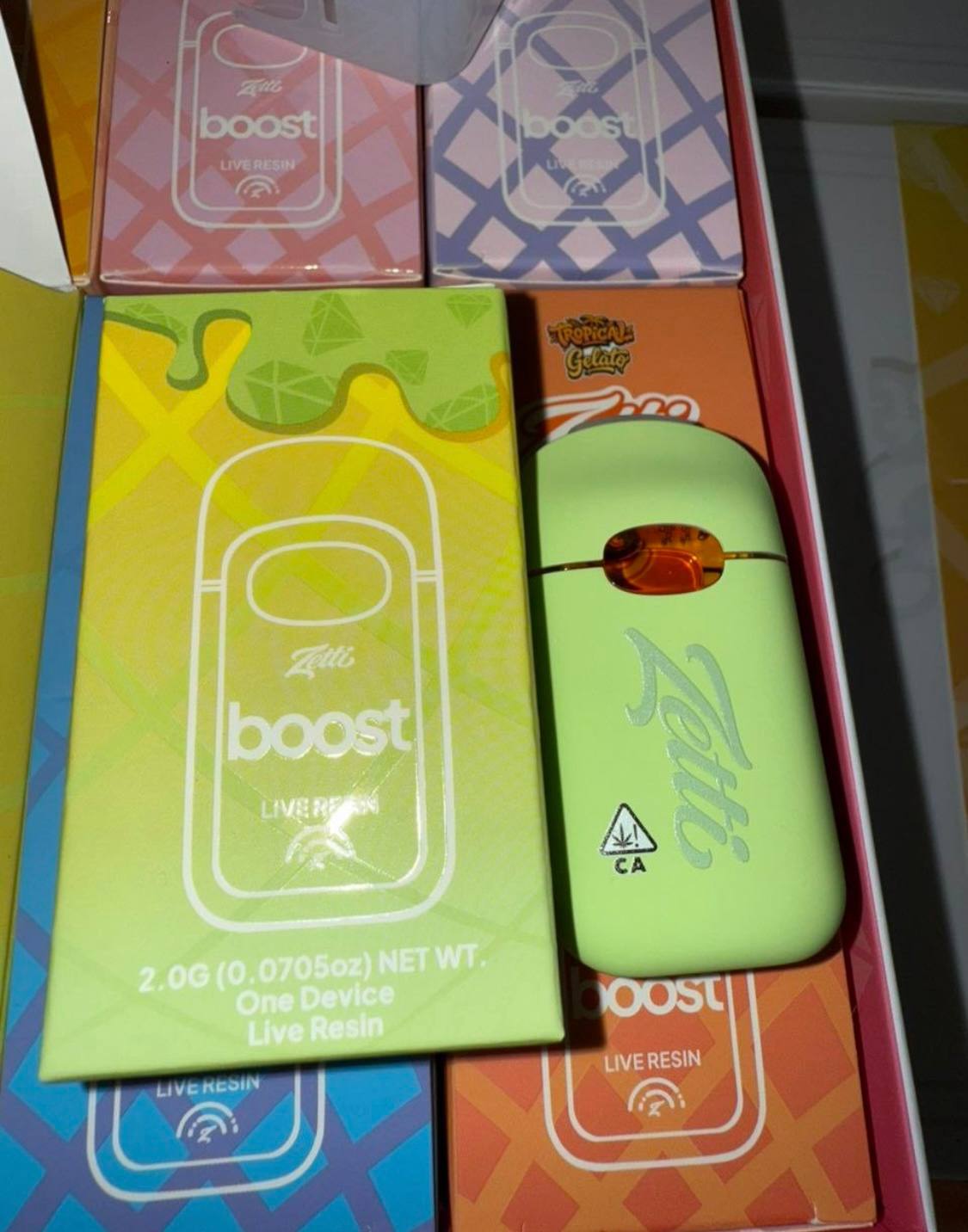
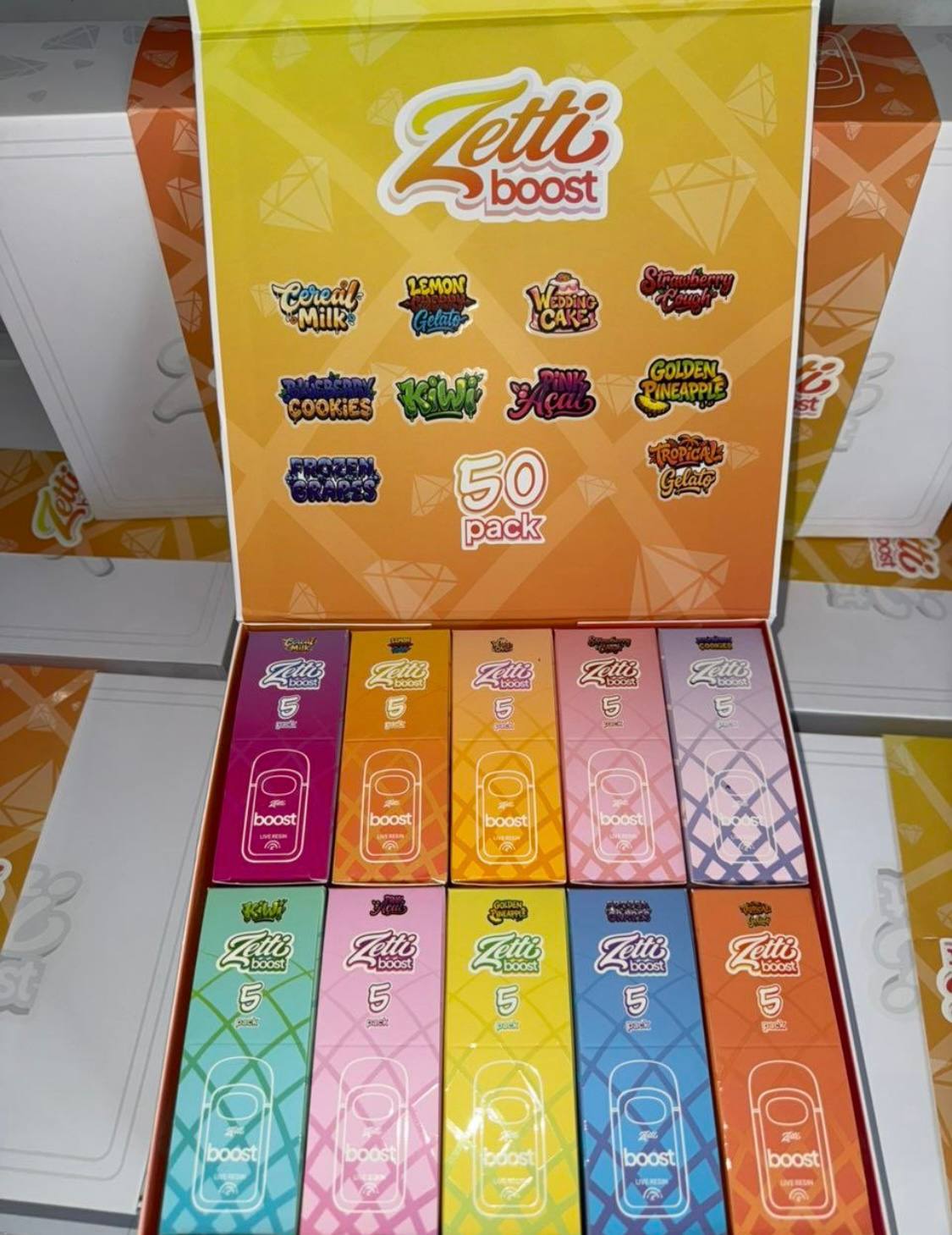
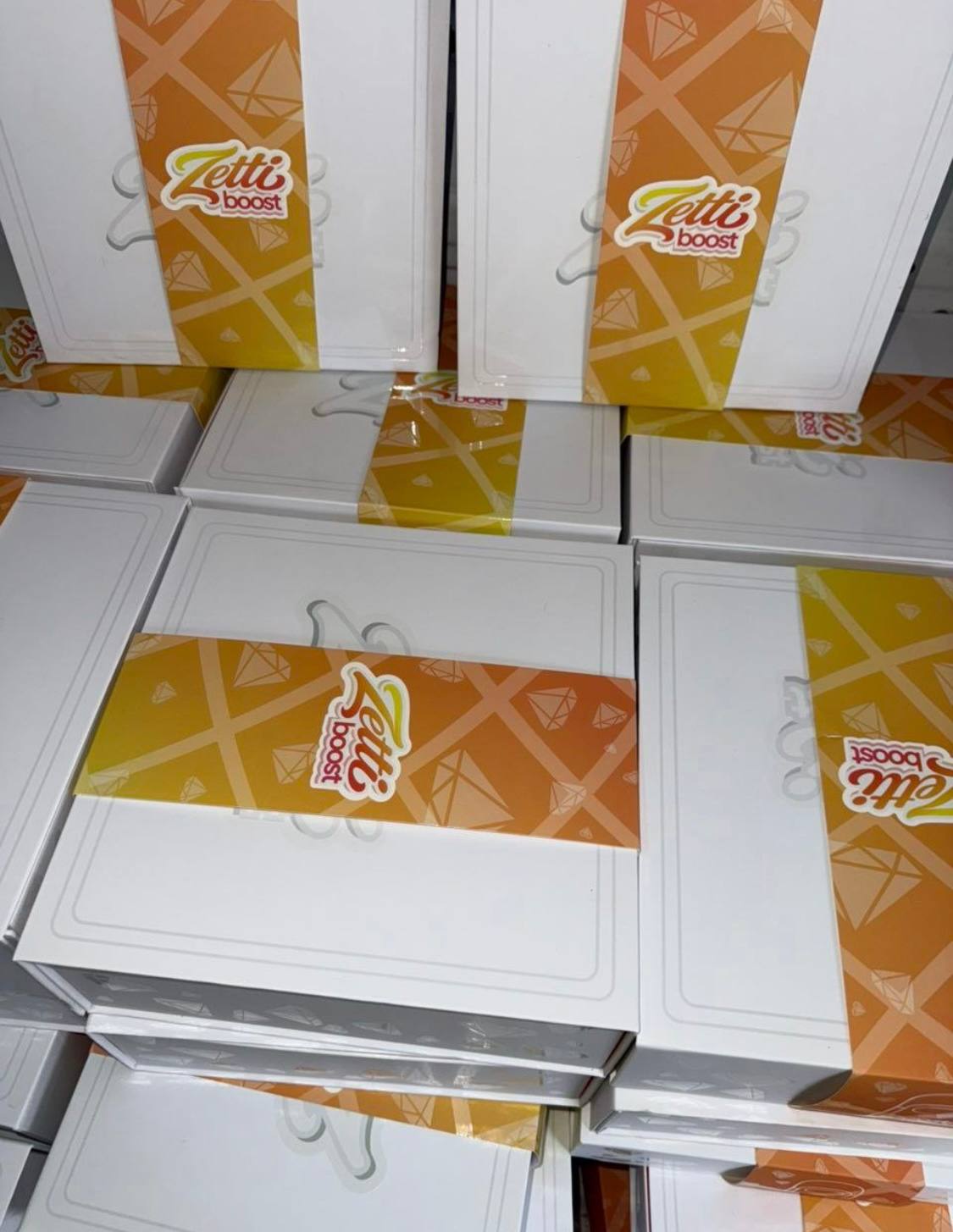
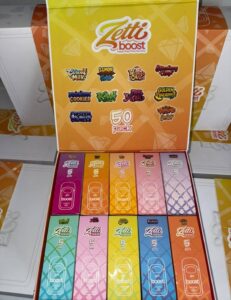
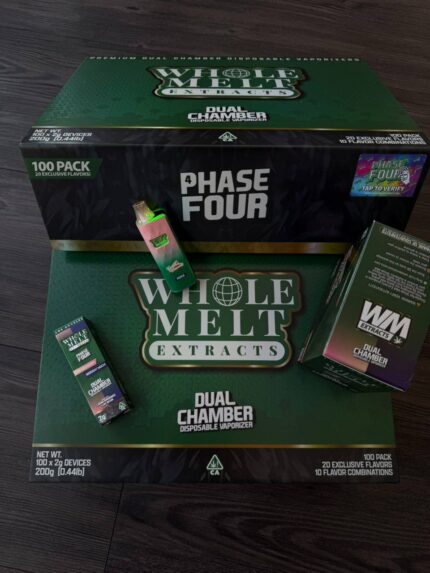
Packaging plays an important role in both protection and presentation. The Zetti Boost 2G Disposable is typically enclosed in sealed packaging designed to preserve internal integrity prior to use.
Moreover, packaging materials are often selected for durability and resistance to environmental exposure. As a result, contamination risks are reduced during storage and transportation. In addition, compact packaging formats enhance portability and retail convenience.
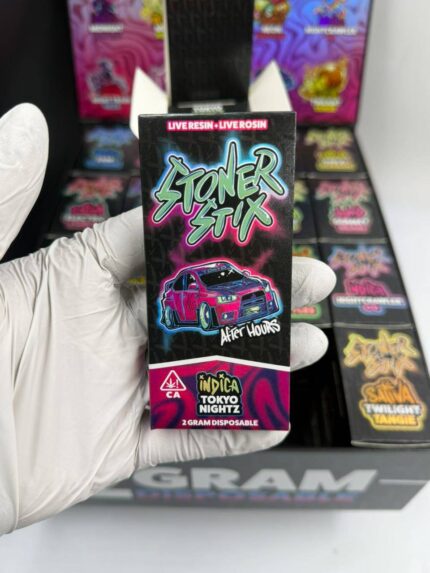
Visual presentation is also considered a key component of branding strategy. Therefore, packaging design frequently incorporates clean layouts, structured typography, and distinct product identification markers.
Although packaging functions primarily as a protective layer, it also contributes to initial consumer perception and product recognition.
Stability During Long Idle Periods
One of the challenges in disposable device engineering is maintaining stability during periods of inactivity. The Zetti Boost 2G Disposable is generally designed to retain internal balance even when unused for extended durations.
Furthermore, sealing and internal isolation systems help prevent degradation of stored material. As a result, performance consistency is preserved once the device is activated after storage.
In addition, battery preservation mechanisms reduce unnecessary energy loss during idle periods. Therefore, readiness is maintained over time without requiring external maintenance.
Although long-term storage conditions can still influence performance, controlled environments significantly reduce potential impact.
Comparative Positioning Within Its Category
Within the broader category of 2-gram disposable devices, performance expectations are typically high due to increased capacity and extended usability. The Zetti Boost 2G Disposable is often positioned alongside other similarly structured products that emphasize balance between output strength and longevity.
Moreover, differentiation is frequently achieved through refinement rather than radical structural changes. As a result, subtle improvements in airflow, flavor stability, and heating consistency can significantly influence market perception.
Additionally, user preference trends often favor devices that maintain consistent performance rather than those that peak early and decline rapidly. Therefore, stability becomes a key competitive advantage.
Maintenance-Free Operation and Convenience Advantage
One of the defining characteristics of disposable systems is the absence of maintenance requirements. The Zetti Boost 2G Disposable follows this principle by eliminating the need for refilling, recharging adjustments, or internal cleaning.
Furthermore, this maintenance-free structure enhances accessibility for users who prefer simplicity. As a result, the learning curve is minimal, and interaction remains straightforward throughout the device lifecycle.
In addition, operational independence ensures that performance remains consistent without external intervention. Therefore, convenience is maximized while complexity is minimized.
Although this design approach limits customization, it significantly enhances usability and practicality.
Longevity Optimization Through Controlled Output Cycles
Longevity in disposable devices is not solely dependent on capacity but also on how output cycles are regulated. In the Zetti Boost 2G Disposable, controlled activation cycles contribute to extended functional lifespan.
Moreover, output pacing systems help prevent excessive consumption during short periods. As a result, material usage is distributed more evenly across the device lifecycle.
Additionally, efficiency calibration ensures that energy and material resources are aligned. Therefore, both components deplete in a synchronized manner, supporting balanced performance until the end of use.
Final Overview: A Refined Balance of Capacity, Stability, and Simplicity
The Zetti Boost 2G Disposable represents a structured approach to modern disposable device engineering, where multiple performance factors are integrated into a unified system. Through careful attention to airflow, heating consistency, flavor stability, and capacity optimization, a balanced experience is achieved.
Moreover, the emphasis on simplicity ensures that usability remains accessible, while internal systems maintain technical refinement behind the scenes. As a result, the device delivers a streamlined interaction model without sacrificing consistency or performance depth.
Although individual experiences may vary based on usage patterns, environmental conditions, and perception differences, the overall design philosophy remains centered on reliability and extended usability.
Ultimately, the Zetti Boost 2G Disposable reflects the ongoing evolution of compact, high-capacity disposable systems, where efficiency and user convenience continue to guide development priorities across the category.








Reviews
There are no reviews yet.