
Lollipops 2G Disposable Platinum Edition: Product Overview and Buying Guide
Introduction to Lollipops 2G Disposable Platinum Edition
The Lollipops 2G Disposable Platinum Edition is a product name that combines a recognizable brand identity with a premium-edition designation. For an online product catalog, an effective description should explain the product category, identify its distinguishing characteristics, and provide shoppers with accurate information before they make a purchasing decision. In addition, well-organized product content can improve readability and help search engines understand the page.
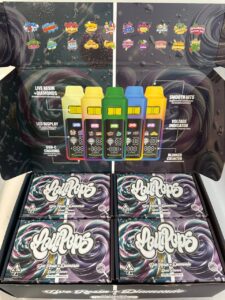
The Platinum Edition name may suggest a premium product presentation. However, the exact meaning of this designation depends on the manufacturer’s official specifications. Therefore, a reliable product listing should distinguish confirmed details from marketing language. Product composition, compatibility, packaging, flavor options, and other technical features should be included only when they can be verified through legitimate product documentation.
Moreover, an informative product page serves several purposes. It introduces the product, answers common customer questions, establishes realistic expectations, and presents essential safety information. Rather than relying on exaggerated claims, effective SEO content uses descriptive language and relevant search phrases in a natural way.
Understanding the Platinum Edition Product Name
The phrase Lollipops 2G Disposable Platinum Edition contains several descriptive elements that can help organize an online listing. The product name identifies the marketed line, the 2G designation indicates a stated two-gram quantity, and the Platinum Edition wording distinguishes the named version from other possible editions. Nevertheless, the precise meaning of the quantity and the material being measured should be confirmed on the official packaging.
Similarly, the word disposable generally describes a product designed for limited use rather than indefinite reuse. The specific operating method, however, depends on the device category and its manufacturer’s instructions. Accurate descriptions avoid assuming that every disposable product uses the same components, charging method, or internal technology.
The Platinum Edition label may also serve as a way to distinguish packaging or a particular release. Consequently, customers benefit from clear information about the actual version being offered. Official product images, manufacturer details, batch identification, and applicable compliance information can help distinguish an authentic product from an imitation.
Product Identity and Verified Specifications
A complete product description begins with verified information. Although the product title provides a starting point, it does not establish every technical detail. For that reason, a trustworthy product page should include the manufacturer’s name, the exact product category, the stated net quantity, the ingredient or material information where applicable, and any relevant usage restrictions.
Furthermore, product photographs should correspond to the actual item. Packaging colors, printed labels, model identifiers, and edition names should match the product available for sale. If a manufacturer changes its packaging, the listing should reflect that change rather than combining images or specifications from different releases.
The same principle applies to claims about quality. Terms such as premium, platinum, advanced, and enhanced are often used in product marketing, but their meanings vary. Without supporting documentation, these terms should be presented as part of the product’s name rather than as independent proof of superior performance.
Product Presentation and Packaging
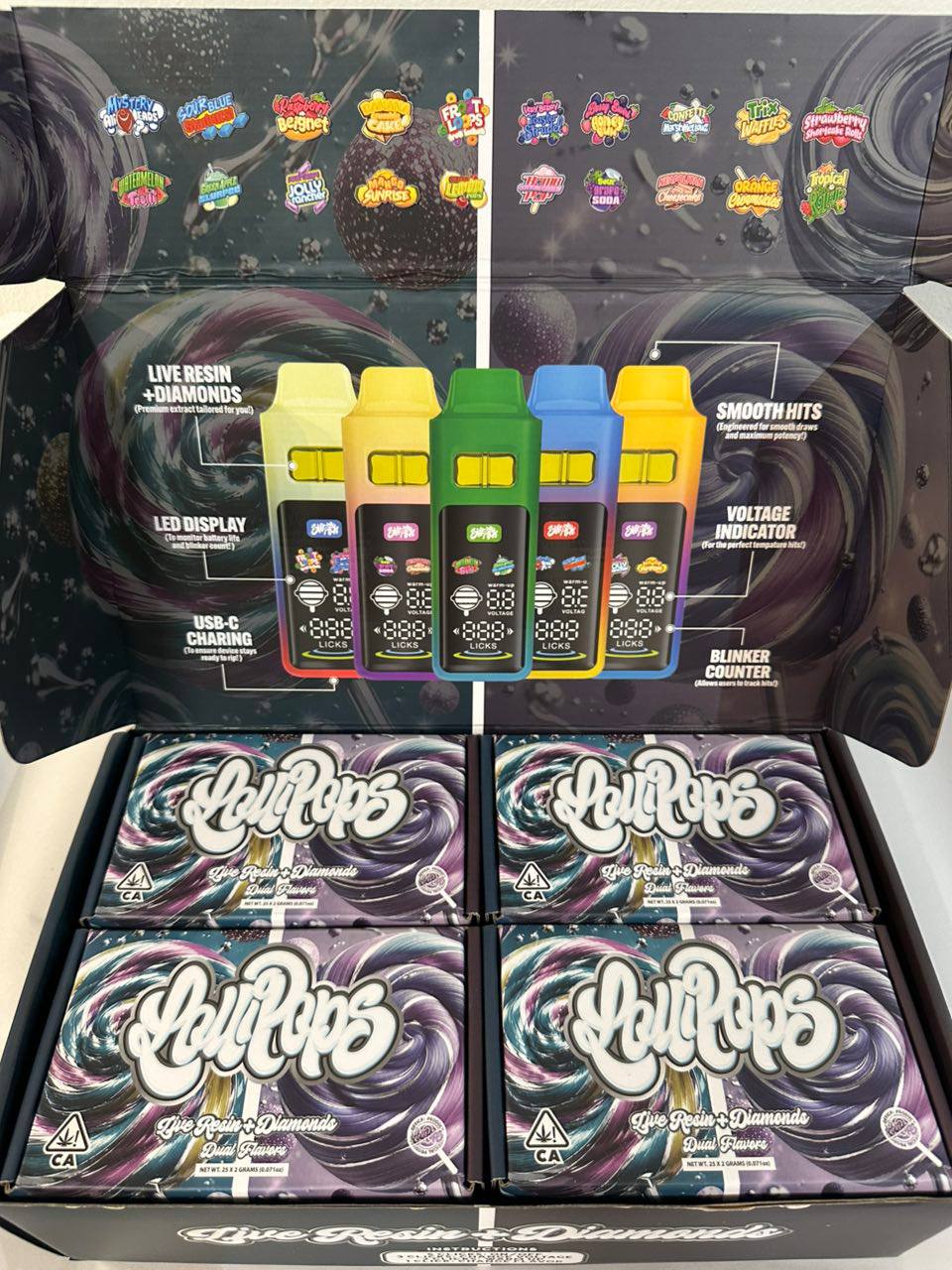
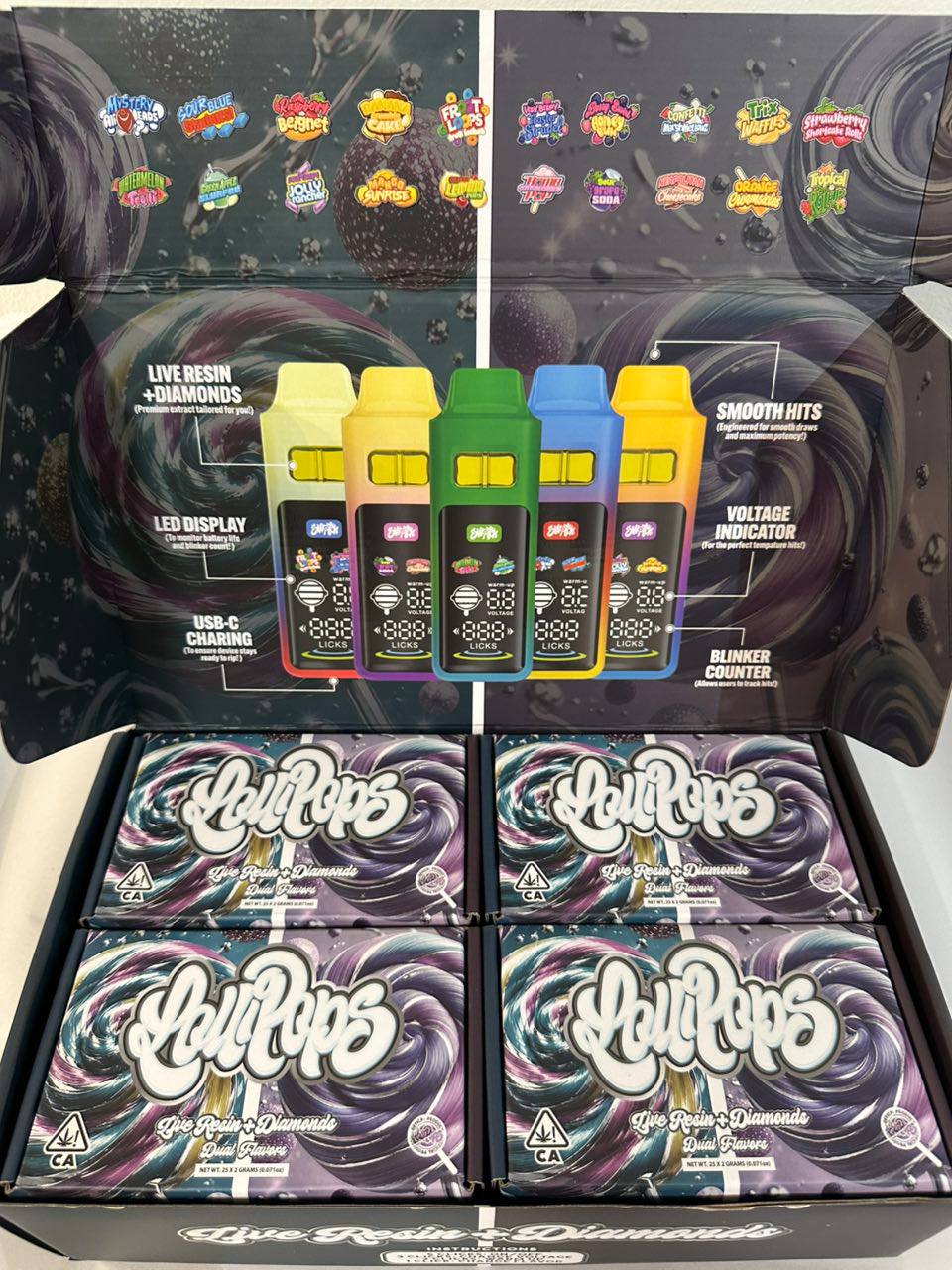
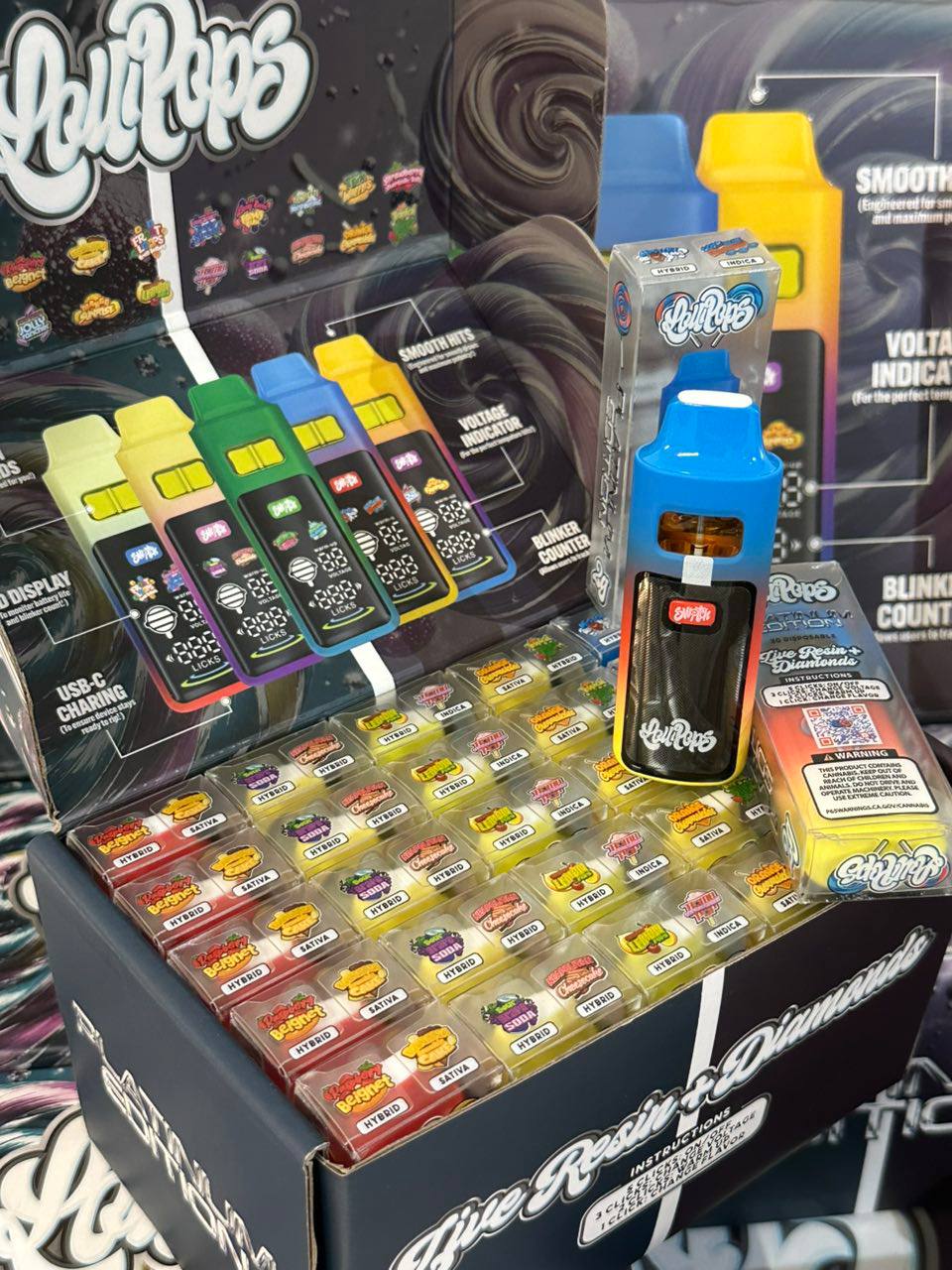
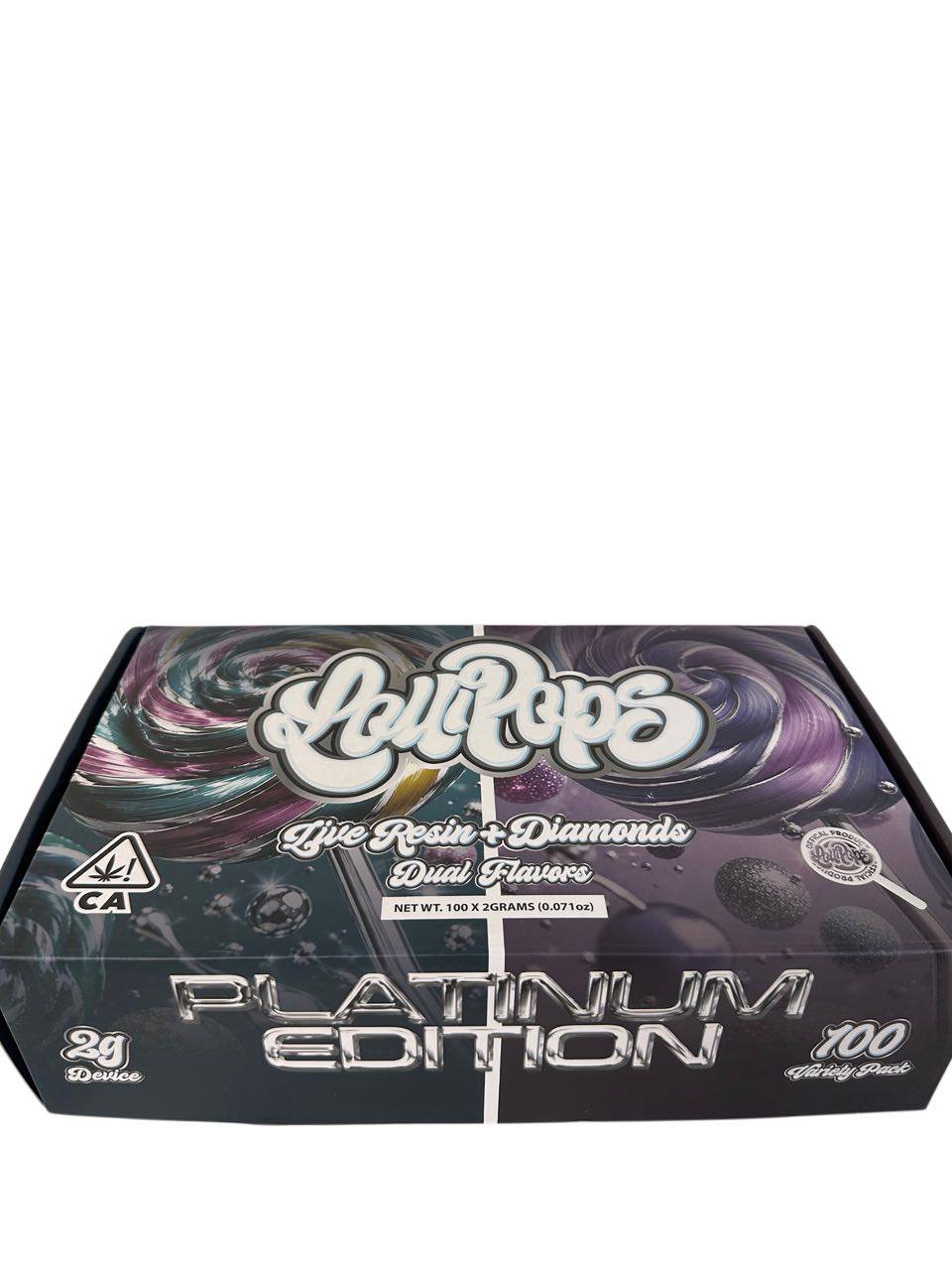
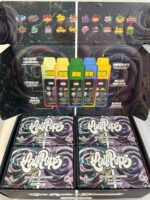
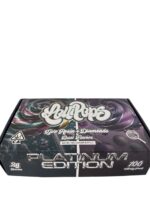
Packaging plays an important role in product identification. It can display the brand name, edition label, quantity, manufacturer information, and required warnings. In addition, clear packaging photographs help customers compare the advertised item with the product they receive.
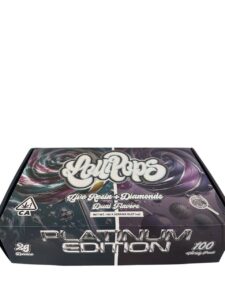
For the Lollipops 2G Disposable Platinum Edition, the actual packaging should be documented using current, genuine images. Any printed information concerning contents, ingredients, manufacturing details, or regulatory compliance should be transcribed accurately. Unverified graphics or promotional descriptions should not replace the information supplied by the manufacturer.
Meanwhile, packaging condition is another consideration for legitimate retail listings. Damaged seals, inconsistent labeling, missing identifiers, or unclear ingredient information can make product verification difficult. Therefore, responsible sellers should maintain accurate inventory records and follow applicable requirements for storage, labeling, and distribution.
Why Accurate Product Descriptions Matter
An effective product page provides useful information without promising results that cannot be demonstrated. Customers may search for a particular edition because they recognize its name, want to compare specifications, or need to confirm that a listing corresponds to the correct product. A concise introduction followed by detailed, verified information helps address these needs.
Additionally, accuracy supports customer confidence. When a description clearly identifies what is known and acknowledges what has not been confirmed, it reduces the likelihood of misunderstandings. This approach is especially important for products containing regulated substances or involving specialized devices.
Search engine optimization should support this informative purpose. Repeating the complete product name in every paragraph may make the text difficult to read. Instead, a page can use the full name in the title and introduction, followed by relevant variations such as product specifications, edition details, packaging information, and manufacturer verification where those phrases accurately describe the listing.
SEO Strategy for the Product Page
Search engine optimization involves making a page understandable to both visitors and search engines. For a listing titled Lollipops 2G Disposable Platinum Edition, the main keyword can appear in the page title, opening paragraph, product identification section, and meta description. Related terms should appear only when they match the product’s verified characteristics.
For example, a suitable page title is:
Lollipops 2G Disposable Platinum Edition | Product Information
A concise meta description could read:
Explore product information for the Lollipops 2G Disposable Platinum Edition, including verified specifications, packaging details, manufacturer identification, and applicable safety information.
These elements communicate the page’s subject without introducing unconfirmed promises. Moreover, descriptive headings divide the content into useful sections, making the information easier to scan on mobile devices and desktop screens.
Internal links may connect the product page with relevant company policies, product verification resources, shipping information, and applicable compliance notices. However, links should lead to genuinely relevant pages rather than unrelated material added solely to increase keyword coverage.
Readability and Content Structure
Readability depends on more than sentence length. A well-structured description follows a logical sequence, explains specialized terms, and avoids unnecessary repetition. Short paragraphs allow readers to locate important details quickly, while descriptive headings make the page easier to navigate.
Transition words also help establish relationships between ideas. Words such as moreover, however, therefore, similarly, and consequently can clarify comparisons, qualifications, and conclusions. Nevertheless, these expressions are most effective when they reflect the meaning of the sentence. Adding transitions mechanically can make writing repetitive rather than improving its flow.
A useful product description also separates factual information from interpretation. For instance, the product name may contain the word Platinum, but that word alone does not establish a particular material composition or manufacturing standard. Consequently, factual claims should be supported by documentation, while promotional terminology should remain clearly identifiable as branding.
Product Information Customers May Need
Customers researching this edition may have questions about its precise specifications. A complete listing should answer those questions whenever reliable information is available.
Relevant details include the manufacturer’s legal or trading name, the exact product category, the stated quantity, the ingredients or materials, the package contents, and any applicable age restrictions. Where a device is involved, the manufacturer may also provide technical information about its power source, charging requirements, compatibility, or disposal.
Furthermore, the listing should identify any applicable warnings. If the product contains a controlled or age-restricted substance, the description must comply with relevant laws and platform rules. Any required warnings should remain clear and visible rather than being hidden beneath promotional language.
When a specification has not been confirmed, an honest listing should not fill the gap with assumptions. Instead, the seller can obtain the relevant information from official documentation before publishing the final description.
Authenticity and Manufacturer Verification
Product authenticity is an important consideration for online shopping. Similar names, copied packaging, and unofficial listings can make it difficult to determine whether a product comes from its stated manufacturer. Therefore, a product page benefits from verifiable identification details and a transparent source of information.
Where available, manufacturer websites, authorized distributor records, lot numbers, and official verification systems can support authenticity checks. The presence of a familiar logo or an elaborate package does not independently prove that a product is genuine.
Likewise, claims about testing or quality assurance should be supported by appropriate documentation. A seller should not state that a product has passed laboratory testing, meets a particular standard, or has been approved by a regulator unless reliable evidence supports that claim.
This distinction improves the usefulness of the listing. Rather than relying on vague assurances, customers receive information that can be checked against a credible source.
Responsible Information and Safety Considerations
Responsible product content communicates material risks and restrictions in a straightforward manner. Where applicable, the listing should explain the product’s intended category, relevant warnings, age requirements, and legal limitations. These details are particularly important when products involve inhalation, electrical components, or regulated ingredients.
If the item is a vapor or cannabis-related device, the exact contents and legal status should be confirmed before publication. Inhaled substances can carry health risks, and product names alone do not establish ingredient safety, purity, or suitability for a particular person.
Additionally, products should be kept away from children and pets whenever their contents or components present a hazard. Battery-powered devices require handling and disposal consistent with the manufacturer’s guidance and applicable waste regulations. Local laws may impose further restrictions on possession, sale, advertising, or distribution.
Clear safety information complements rather than replaces an accurate product description. Consequently, it should be presented as a meaningful part of the listing rather than as a brief disclaimer added without context.
Comparing Product Listings
A product comparison is useful only when the compared specifications are reliable and relevant. For the Lollipops 2G Disposable Platinum Edition, shoppers may want to compare the exact edition, package quantity, manufacturer information, stated ingredients, and any technical specifications that have been independently confirmed.
However, different editions should not be assumed to contain identical materials or components. A similar product name does not guarantee equivalent contents, construction, or performance. The most useful comparison therefore relies on official labels and documentation rather than appearance alone.
Price comparisons also benefit from consistency. Package quantities, taxes, shipping charges, and other costs can affect the total amount paid. Where a listing contains regulated goods, the legality of the transaction and the seller’s authorization should be considered alongside the advertised price.
Frequently Asked Questions
Conclusion
The Lollipops 2G Disposable Platinum Edition product page should combine a clear product identity with reliable specifications, readable organization, and relevant search terminology. In addition, accurate packaging details and manufacturer verification can help customers distinguish the advertised item from similarly named products.
Ultimately, strong SEO content depends on relevance and credibility rather than repetition alone. Descriptive headings, natural transitions, concise explanations, and verified information create a more useful experience for visitors. By maintaining these standards, a product listing can communicate its subject clearly while avoiding unsupported claims about ingredients, quality, potency, or performance.
Brand Identity and Product Recognition
Brand identity plays an important role in how customers recognize and compare products online. The Lollipops 2G Disposable Platinum Edition name provides a specific phrase that shoppers can use when searching for product information. Therefore, consistent naming across product titles, descriptions, images, and catalog records helps maintain a clear connection between the advertised item and its supporting information.
Moreover, a consistent product identity can improve the overall organization of an online store. When product names follow a recognizable structure, customers can more easily distinguish individual listings. Search engines can also interpret the relationship between the product name, its category, and the information presented on the page.
However, brand recognition should not be confused with verified authenticity. A familiar name does not independently confirm the manufacturer, composition, or origin of an item. Consequently, reliable product identification requires accurate labeling and supporting documentation. This distinction becomes particularly important when several products have similar names or when different editions appear in online catalogs.
Digital Product Presentation
A well-organized digital product page brings essential information together in one accessible location. The product title establishes the subject, the introductory paragraph summarizes the listing, and the specification section presents verified details. Meanwhile, photographs and supporting documentation can help clarify the product’s appearance and identity.
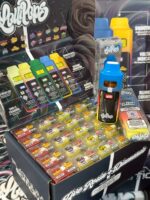
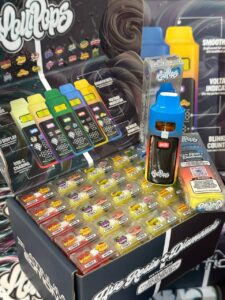
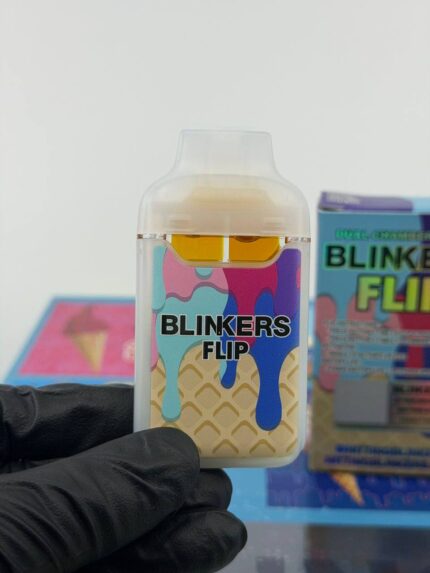
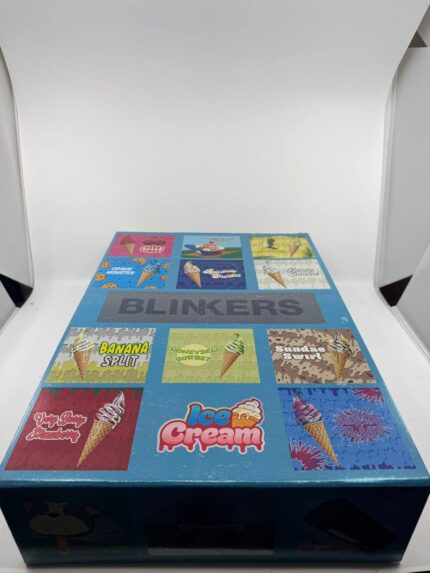
For the Lollipops 2G Disposable Platinum Edition, the most useful presentation would include genuine photographs of the packaging and any relevant manufacturer-provided documentation. Images should accurately represent the item being described. Likewise, written specifications should match the information printed on the package or supplied through a reliable source.
In addition, the layout should remain easy to navigate on different screen sizes. Short paragraphs, descriptive headings, and clearly separated information sections improve readability. Rather than placing every detail in one lengthy paragraph, an organized page allows visitors to locate particular information without unnecessary effort.
Nevertheless, visual presentation should never replace factual accuracy. Attractive photography and polished design can support a product listing, but they cannot establish product composition, authenticity, or regulatory compliance on their own.
Search Intent and Relevant Keywords
Understanding search intent helps create content that answers the questions visitors actually have. Some users search for an exact product name, while others want to confirm a particular edition or identify the manufacturer’s specifications. Accordingly, product descriptions should address the subject directly instead of repeating keywords without providing useful information.
The primary keyword for this listing is Lollipops 2G Disposable Platinum Edition. Related phrases may include product information, Platinum Edition details, packaging information, manufacturer verification, and product specifications. These variations should be incorporated only where they accurately describe the information available.
Furthermore, the complete product name is most useful in prominent locations, including the page title and opening section. Additional mentions can appear naturally when the content discusses identification, packaging, or verification. Excessive repetition, on the other hand, can make the page feel artificial and reduce its usefulness to readers.
Search optimization also benefits from a descriptive URL, an accurate meta title, and a concise meta description. Image descriptions should explain what the photograph actually depicts. Consequently, a genuine package photograph might use an accessible description identifying the displayed product and edition without making unsupported claims about its contents.
Building Customer Confidence Through Transparency
Customer confidence develops when a listing communicates clearly and consistently. Accurate information about the seller, manufacturer, product identity, and applicable restrictions allows visitors to evaluate a listing more effectively. Therefore, transparency should remain a central part of the product-page strategy.
For example, verified information about package quantity can help resolve questions about the meaning of the product title. Similarly, manufacturer documentation may clarify the exact edition, product category, and stated ingredients. When these details are unavailable, a responsible description avoids filling the gaps with assumptions.
In addition, consistent terminology reduces confusion. If the package uses a particular edition name, the product title and description should reflect that wording accurately. Any differences between an older package and a current release should also be explained when relevant.
Ultimately, the most effective product content combines clear writing with verifiable facts. Search visibility can help visitors discover a listing; however, reliable information is what allows them to understand what the listing actually represents.
Final Product Information Summary
The Lollipops 2G Disposable Platinum Edition can be presented through a structured product page that emphasizes identification, verified specifications, packaging details, and responsible information. The name provides a clear starting point for the listing, while manufacturer documentation establishes the details needed for a complete description.
Moreover, an effective SEO strategy relies on natural keyword placement, relevant headings, and concise explanations. These elements make the page easier to read while helping search engines interpret its subject. At the same time, accurate product photographs and transparent specifications help distinguish confirmed information from promotional terminology.
A reliable listing should therefore prioritize authenticity, clarity, and compliance. Rather than promising unverified results or assuming that the Platinum Edition designation guarantees a particular standard, the description should focus on facts that can be substantiated. This approach supports a professional catalog, improves the usefulness of the product page, and provides readers with a clearer understanding of the item being presented.



Reviews
There are no reviews yet.