
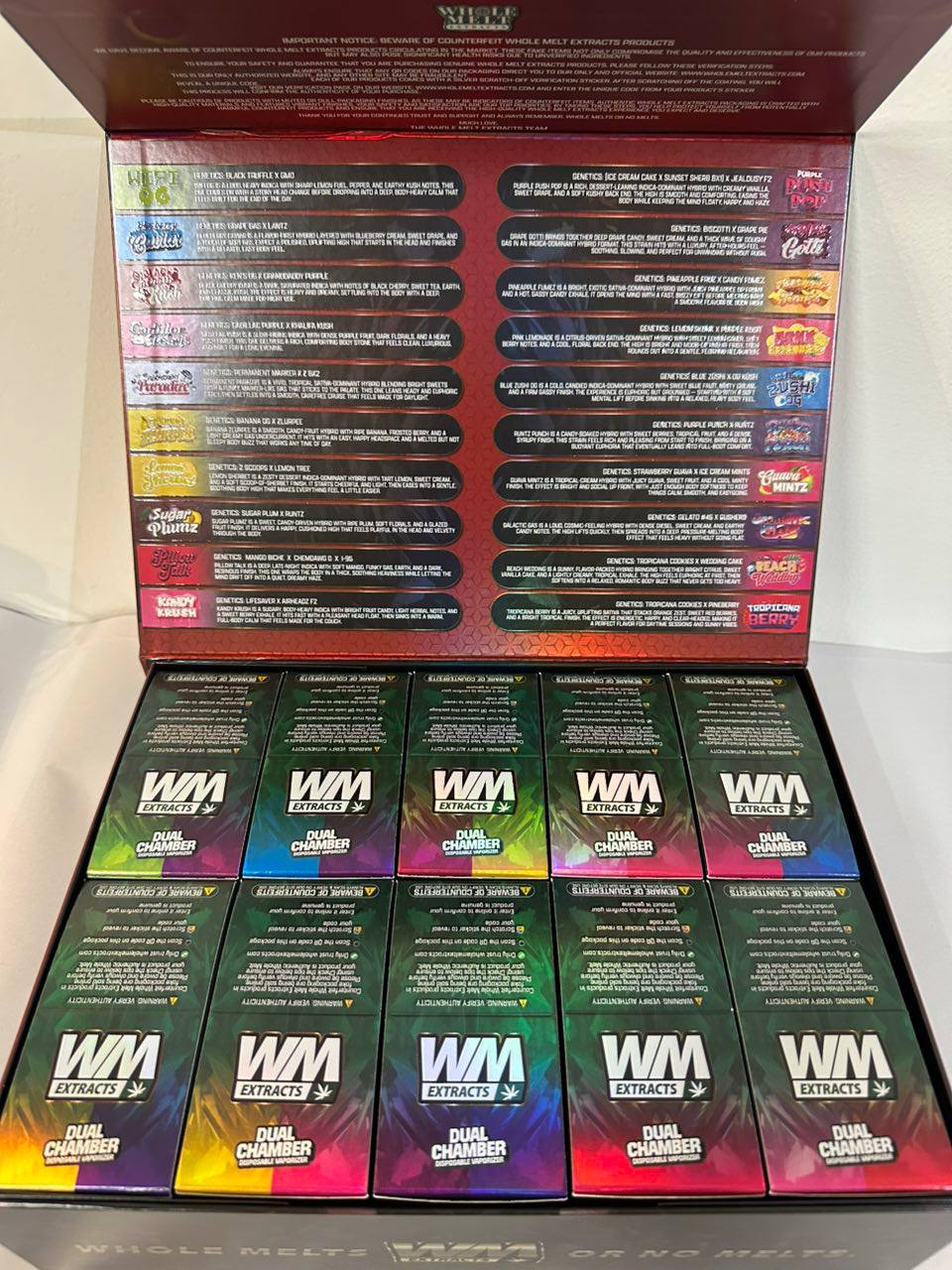
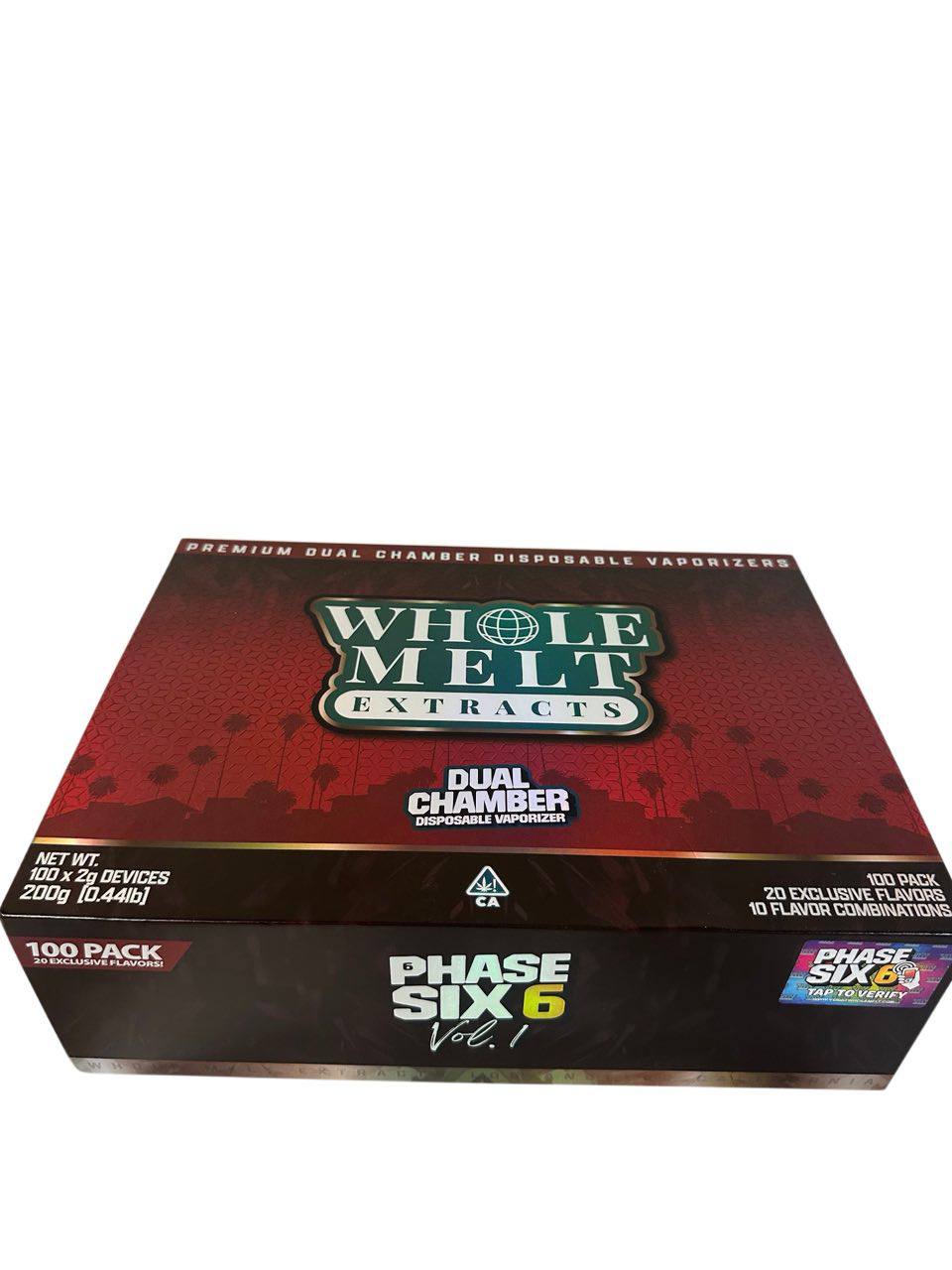
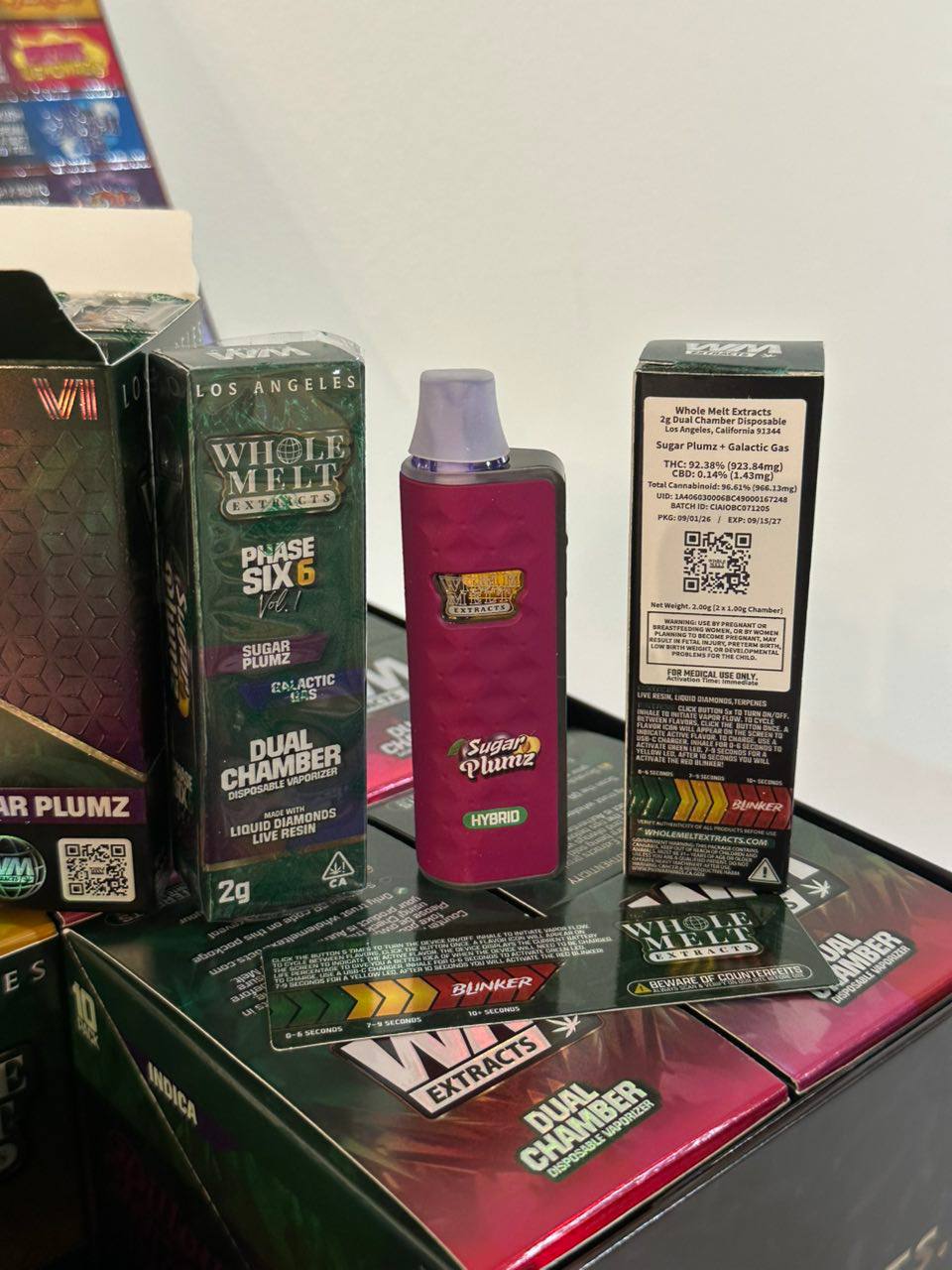
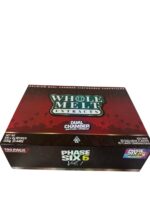
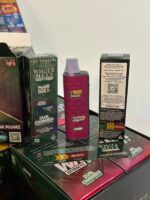
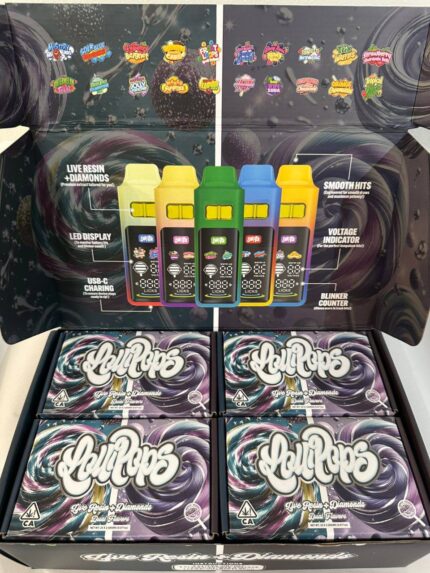
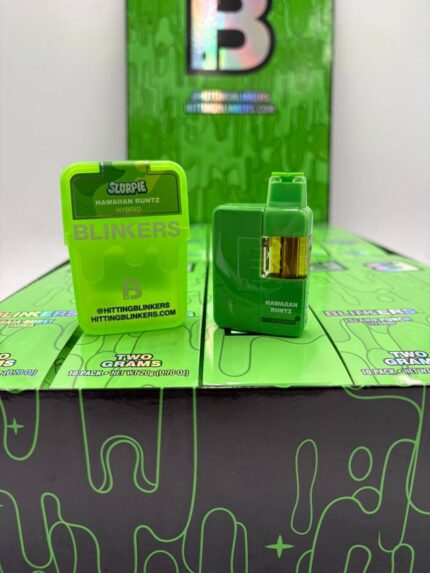
WHOLE MELT EXTRACT PHASE 6 2G DISPOSABLE – Product Information and Overview
Introduction to WHOLE MELT EXTRACT PHASE 6 2G DISPOSABLE
The WHOLE MELT EXTRACT PHASE 6 2G DISPOSABLE is a product name associated with the cannabis extract and disposable vaporizer category. Its title identifies the Whole Melt Extract branding, the Phase 6 designation, and a stated two-gram capacity. However, the exact formulation, extract composition, device specifications, and manufacturer information should be confirmed through reliable product documentation before publication.
In the wider cannabis accessories market, disposable vaporizer products are commonly distinguished by their device design, extract formulation, stated capacity, packaging, and available laboratory documentation. Consequently, a useful product listing should explain these characteristics clearly without relying on unsupported performance claims.
The WHOLE MELT EXTRACT PHASE 6 2G DISPOSABLE product page can provide readers with a straightforward overview of the named item, its category, and the information needed to assess its identity. Furthermore, clear product descriptions help distinguish confirmed specifications from details that still require verification.
Understanding the Product Name
The product name contains several elements that help identify the listing. WHOLE MELT EXTRACT refers to the branding and extract-related terminology used in the title. PHASE 6 appears to identify a particular product designation or edition, although its precise meaning should be confirmed by the manufacturer or an authorized distributor.
The 2G designation indicates a stated two-gram quantity. Nevertheless, a listing should clarify what that quantity represents, including whether it refers to the extract contents or another manufacturer-defined measurement. Accurate wording prevents confusion between the advertised capacity, the device’s physical dimensions, and the amount of material actually contained inside the unit.
Finally, the term disposable generally describes a device intended for limited use rather than routine refilling. Exact operating characteristics, charging requirements, and disposal instructions vary by model. Therefore, manufacturer documentation remains the most reliable source for device-specific information.
Product Category and General Characteristics
Disposable cannabis vaporizers combine a housing, an internal heating system, and a reservoir or chamber containing the material identified in the product documentation. Depending on the model, additional components may include an airflow channel, a mouthpiece, a battery, and electronic controls.
However, the presence and design of these components should not be assumed for every product carrying the WHOLE MELT EXTRACT PHASE 6 name. Device construction can vary between manufacturers and production runs, even when listings use similar terminology.
For this reason, product information should distinguish general category characteristics from verified details about the particular unit. A transparent listing can identify the stated capacity and product designation while leaving unconfirmed details clearly marked for verification.
Extract Information and Composition
The word extract is frequently used in cannabis product descriptions to refer to concentrated material derived from cannabis. Nevertheless, the term alone does not establish a product’s extraction method, cannabinoid profile, terpene content, purity, or manufacturing standards.
Those details require supporting documentation. A current certificate of analysis from an appropriately accredited laboratory may provide information about cannabinoid concentrations, selected contaminants, and other measurements within the scope of the test.
Moreover, the analytical results should correspond to the specific product and batch being offered. Generic certificates, unrelated laboratory reports, and packaging statements without supporting evidence do not establish the composition of a particular unit.
For the WHOLE MELT EXTRACT PHASE 6 2G DISPOSABLE, verified ingredient information would help readers understand what the product contains. Until such documentation is available, the listing should avoid assigning specific cannabinoid percentages, terpene profiles, extraction techniques, or purity levels.
Understanding the Two-Gram Designation
The two-gram designation is one of the most visible elements of the product title. In product catalogues, numerical capacity labels help organize listings and distinguish similarly named items.
Even so, capacity terminology should be interpreted according to the manufacturer’s specifications. The stated quantity does not independently establish the product’s quality, consistency, expected lifespan, or suitability for a particular consumer.
Similarly, a larger stated quantity does not demonstrate that a device offers better manufacturing standards or greater safety. Those assessments depend on verifiable information about the contents, device components, production controls, and applicable regulatory requirements.
A well-organized product page should therefore present the two-gram designation as a stated specification rather than a guarantee of duration or performance.
Device Construction and Materials
Device construction is an important part of understanding any disposable vaporizer. The outer housing, mouthpiece, internal reservoir, heating components, and electrical system may influence the product’s physical characteristics and operating requirements.
However, no specific material, heating technology, battery capacity, or internal configuration can be confirmed solely from the WHOLE MELT EXTRACT PHASE 6 2G DISPOSABLE name.
Manufacturer specifications can clarify whether the device includes a rechargeable battery, what charging equipment is compatible, and whether the unit contains any replaceable components. Packaging may also identify the manufacturer, model number, batch information, and relevant warnings.
These details are especially important when distinguishing authentic products from imitations or inaccurately labelled listings. Clear documentation gives retailers and consumers a stronger basis for identifying the item correctly.
Packaging, Labelling, and Product Identification
Packaging serves several practical purposes, including identification, storage, and communication of product information. A properly documented listing should describe only the packaging features that have been verified for the specific product.
Relevant details may include the printed product name, stated capacity, batch or lot number, manufacturer information, ingredient declaration, testing information, and required warnings. Depending on the jurisdiction, additional labels may be required.
Furthermore, product photographs should represent the actual item being offered. Stock photographs, unofficial promotional graphics, and images of similar products can create confusion when packaging differs between versions.
The Phase 6 designation should also be presented consistently across the product title, photographs, inventory records, and supporting documentation. Consistency helps reduce listing errors and makes it easier to compare information across catalogues.
Authenticity and Verification
Product authenticity is an important consideration in markets where branded items may be copied or misrepresented. A familiar brand name or professional-looking package does not, by itself, establish that a product is genuine.
Verification may involve checking the manufacturer’s official information, confirming the seller’s authorization, examining batch identifiers, and reviewing relevant laboratory records. Where available, official verification systems can provide additional evidence about a product’s identity.
In addition, discrepancies between the product label and supporting documents deserve careful attention. Different names, inconsistent quantities, missing batch numbers, or laboratory results that do not match the item can make identification more difficult.
The WHOLE MELT EXTRACT PHASE 6 2G DISPOSABLE should therefore be described using evidence that corresponds to the actual product. Authenticity claims should remain conditional unless a reliable source confirms them.
Laboratory Testing and Quality Documentation
Laboratory testing can provide information that packaging alone cannot establish. Depending on the testing programme, a certificate of analysis may report cannabinoid concentrations and screen for certain contaminants, including residual solvents, pesticides, heavy metals, or microbial hazards.
Nevertheless, the scope and reliability of the report depend on the laboratory, the analytical methods, the sample, and the testing date. A report should not be treated as proof of every possible quality or safety characteristic.
Batch matching is particularly important. Results from one production batch may not represent another batch, and a certificate for a similarly named product does not automatically apply to the item being sold.
Consequently, product listings should avoid describing an item as laboratory verified unless relevant documentation is available and can be matched to the product. This approach supports clearer communication and more responsible product identification.
Storage and Product Handling Information
Storage conditions can affect the condition of many consumer products. For cannabis extracts and associated devices, the appropriate conditions should be determined from the manufacturer’s instructions and applicable safety guidance.
Packaging should be kept intact when required, and product information should remain legible throughout storage. Extreme temperatures, direct sunlight, moisture, and physical damage may be unsuitable for some devices or their contents.
Additionally, disposable vaporizers contain electrical components and may include lithium-based batteries. They should be protected from damage, and their disposal should follow local electronic-waste and battery-handling requirements.
The product’s actual storage and handling instructions should be checked before any specific recommendations are included in the final listing. Unverified claims about shelf life, temperature tolerance, or long-term stability should be avoided.
Responsible Product Information
Cannabis-related product information should communicate relevant risks as well as identifying details. The presence of a stated capacity or a branded label does not establish that a product is safe for every person or appropriate in every circumstance.
Cannabis products can affect attention, coordination, perception, and judgement. Their effects may vary with individual factors, product composition, and exposure. Consequently, users should not drive or operate machinery while impaired.
Cannabis products may also be subject to age restrictions and other legal requirements. Regulations differ by location, including rules concerning possession, sale, advertising, product labelling, and use.
For these reasons, a responsible product page should include the warnings required by the relevant jurisdiction. It should also avoid unsupported claims about medical benefits, therapeutic outcomes, or guaranteed effects.
Search-Friendly Product Information
Search engine optimization can improve the organization and discoverability of a product listing when it reflects the item’s verified identity. The complete product name is a useful primary keyword because it corresponds directly to the title supplied for the listing.
Related phrases may include Whole Melt Extract Phase 6, two-gram disposable product, cannabis extract device, disposable vaporizer product information, and product authenticity verification. These phrases should appear naturally within relevant sections rather than being repeated excessively.
Furthermore, a clear heading structure helps readers locate the information they need. Separate sections for specifications, composition, packaging, laboratory documentation, and responsible handling provide a logical reading experience.
Search-friendly content should also remain accurate. Keyword placement cannot compensate for unsupported specifications, misleading product claims, or missing information. Therefore, the strongest foundation for an effective listing is a precise title, a useful description, consistent terminology, and verifiable supporting details.
Readability and Product Page Structure
A readable product page balances useful detail with clear organization. Long paragraphs can make technical information difficult to scan, whereas concise sections help readers identify individual characteristics without navigating an unstructured block of text.
For the WHOLE MELT EXTRACT PHASE 6 2G DISPOSABLE, the product title can appear at the top of the page, followed by a short category description and a specification section. Supporting sections can then explain the meaning of the stated capacity, the importance of extract documentation, and the methods used to verify authenticity.
In addition, consistent terminology reduces ambiguity. The same product name and capacity designation should be used throughout the page, while uncertain characteristics should be identified explicitly rather than described as established facts.
A useful listing should answer basic identification questions without suggesting that missing information has already been confirmed. This structure supports both reader comprehension and responsible search optimization.
Frequently Asked Questions
Conclusion
The WHOLE MELT EXTRACT PHASE 6 2G DISPOSABLE is identified by a product name that places it within the cannabis extract and disposable vaporizer category. The two-gram designation and Phase 6 label provide useful starting points for identifying the listing; however, they do not independently verify its contents, authenticity, construction, or performance.
A dependable product description combines accurate naming, clear headings, relevant search terms, and transparent treatment of missing specifications. Furthermore, supporting documentation should be used whenever claims concern ingredients, laboratory testing, device design, or manufacturing standards.
Ultimately, clear product information benefits readers by distinguishing confirmed details from assumptions. For retailers and catalogue publishers, this approach supports more consistent listings, improved readability, and SEO content grounded in verifiable information rather than unsupported promotional claims.
Product Information Transparency and Consumer Awareness
Accurate product information plays an important role in the presentation of cannabis-related products. For the WHOLE MELT EXTRACT PHASE 6 2G DISPOSABLE, a clear description can help distinguish the product’s advertised identity from specifications that require additional confirmation. Consequently, product documentation should remain the foundation of any detailed catalogue entry.
Furthermore, transparent information helps reduce misunderstandings about capacity, extract composition, packaging, and device construction. Although product names may communicate a particular brand or edition, they do not establish every technical characteristic. Instead, reliable manufacturer information and relevant testing records provide a stronger basis for describing the item.
Product pages also benefit from consistent terminology. The same product name should appear in the page title, introductory paragraph, specification section, and inventory records. In addition, any differences between the packaging and the online listing should be investigated before the description is published.
Understanding Manufacturer Specifications
Manufacturer specifications provide essential information about the identity and design of a product. For disposable vaporizer devices, these details may include the stated capacity, battery characteristics, charging requirements, component materials, and model identification.
However, these specifications should not be inferred from another product in the same category. Similar names do not necessarily indicate identical internal components or manufacturing processes. Therefore, the WHOLE MELT EXTRACT PHASE 6 2G DISPOSABLE should be described using information that corresponds to its exact model.
Where specifications remain unavailable, the listing can identify those limitations without sacrificing readability. This approach creates a distinction between established facts and details awaiting verification. Moreover, it allows catalogue information to be updated when dependable documentation becomes available.
Batch Identification and Documentation
Batch identification helps connect a product to its associated manufacturing and testing records. When a batch or lot number appears on the packaging, it may provide a useful reference for checking relevant documentation.
Nevertheless, the presence of a number alone does not prove authenticity or quality. The identifier must correspond to credible records, and the records must relate to the particular product being examined.
Likewise, laboratory documentation should be reviewed for the product name, batch details, testing date, laboratory identity, and reported analytical scope. These elements help readers understand what was tested and which conclusions the report can reasonably support.
For this reason, product descriptions should avoid broad statements such as guaranteed purity or complete safety unless the wording is appropriately supported and consistent with applicable requirements. Even when testing is documented, its findings remain limited to the substances and characteristics examined.
Product Listings and Search Relevance
A well-organized product listing serves two related purposes: it communicates useful information to readers and helps search engines understand the page’s subject. The exact product name can provide the primary keyword, while closely related terms may support the surrounding sections.
For example, phrases such as Whole Melt Extract Phase 6, 2G disposable product information, extract product identification, and disposable vaporizer specifications may be relevant when they accurately describe the page. However, each phrase should appear in a meaningful context rather than being repeated solely to increase keyword frequency.
Additionally, descriptive headings can improve the reading experience. Sections about product identification, verified specifications, packaging, laboratory documentation, and responsible disposal create a logical information hierarchy.
Internal consistency matters as well. If the page title identifies a two-gram disposable product, the body text should retain that designation without introducing unverified alternative capacities or unrelated product editions. Consequently, accurate keyword use and consistent naming can support a more coherent page.
Avoiding Unsupported Product Claims
Product descriptions sometimes include statements about purity, potency, flavour, duration, or manufacturing quality. These claims may influence how readers interpret a listing; therefore, they require suitable evidence.
For the WHOLE MELT EXTRACT PHASE 6 2G DISPOSABLE, the product name does not independently confirm a particular cannabinoid concentration, terpene profile, extraction process, or expected duration of use. Such details should only be included when supported by appropriate documentation.
Similarly, descriptions should not imply that a product has been officially certified, independently tested, or authorized for sale unless the relevant evidence establishes that fact. The distinction is especially important when several sellers use similar product names.
A neutral, evidence-based description remains useful even when certain details are missing. Rather than filling gaps with assumptions, a listing can explain the confirmed identity and stated capacity while identifying specifications that need further verification.
Responsible Handling and Disposal
Disposable vaporizer products may contain electronic components and batteries that require appropriate handling. Therefore, the product’s manufacturer instructions and local waste-management requirements should guide storage, transport, and disposal.
Damaged batteries and electronic devices may present hazards if handled incorrectly. In addition, electronic waste should not automatically be treated as ordinary household rubbish when local collection systems provide dedicated disposal options.
Cannabis-related products also require consideration of applicable legal restrictions. Age requirements, sales regulations, labelling rules, and possession laws differ between jurisdictions. Consequently, a product listing should reflect the rules relevant to the location in which the item is offered.



Reviews
There are no reviews yet.